
Thailand has long enjoyed a reputation as one of the easiest countries in Asia for Americans to visit.
Cheap flights. Warm beaches. Street food at 2 a.m. Temples beside luxury malls. Flexible travel culture. Minimal bureaucracy.
But that era of ultra-loose entry rules is starting to tighten.
Thailand is now moving toward stricter visa and stay policies for foreign visitors — including Americans — as officials try to balance tourism growth with immigration control, digital nomad expansion, and concerns over long-term loophole abuse.
For casual tourists, the impact may be small.
For long-stay travelers, remote workers, retirees, and serial visa-runners?
This changes the game.

🛂 What exactly is changing for Americans?
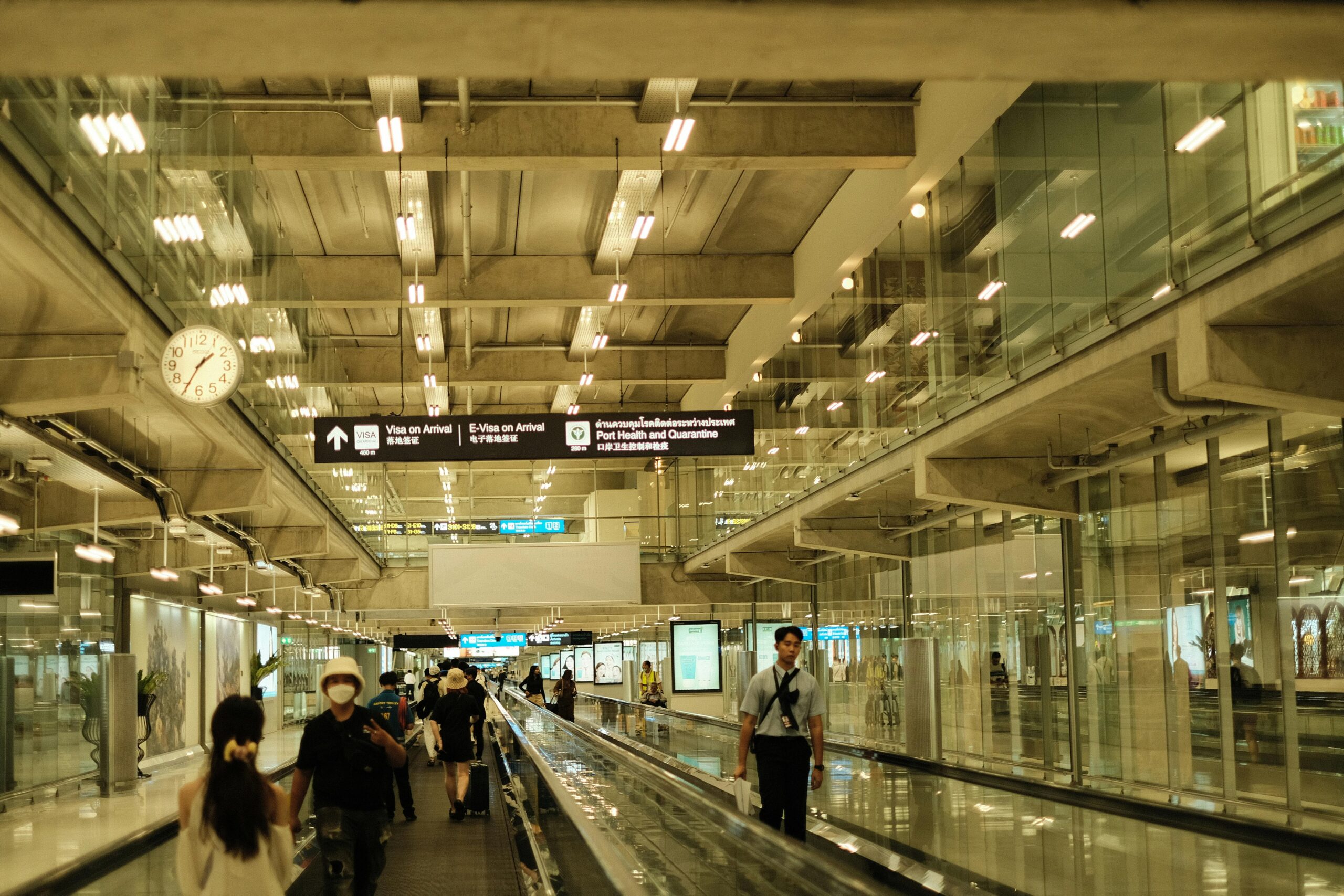
Thailand had recently expanded visa-free stays for citizens of many countries, including the United States.
Under the previous relaxed system:
- Americans could enter visa-free
- stay up to 60 days
- often extend once through immigration offices
Now Thai authorities are preparing to scale the visa-free period back toward 30 days for many travelers.
That means:
- shorter automatic stays
- greater reliance on extensions
- more scrutiny on repeated entries
The message from Thailand is becoming clearer:
“Tourism is welcome. Permanent unofficial residency is not.”
🌴 Why Thailand loosened the rules in the first place
After the pandemic devastated tourism revenue, Thailand aggressively reopened.
The government expanded visa exemptions to:
- boost visitor numbers
- encourage longer stays
- compete with neighboring countries
- attract remote workers and “slow travelers”
At the time, the strategy made sense.
Longer stays meant:
- more hotel spending
- higher local consumption
- increased domestic travel inside Thailand
- stronger economic recovery
And it worked.
Thailand rebounded into one of Asia’s strongest tourism recovery stories.
⚠️ So why tighten the rules now?
Because success created side effects.
Thai officials increasingly became concerned about:
- repeated visa-run behavior
- unauthorized remote work
- informal business operations
- foreigners effectively living long-term without proper visas
In practice, some travelers were:
- staying for months through back-to-back exemptions
- using tourist status as semi-residency
- avoiding tax or work permit systems
That put pressure on immigration enforcement.
💻 Digital nomads changed the equation
This is one of the biggest undercurrents behind the policy shift.
Thailand became a magnet for:
- freelancers
- YouTubers
- crypto traders
- online entrepreneurs
- remote tech workers
And many were operating in a gray zone:
working online while technically entering as tourists.
Governments worldwide are still struggling to define:
- what counts as “work”
- where income is legally generated
- how remote labor should be regulated
Thailand is now trying to separate:
- genuine tourism
from - semi-permanent digital migration
🧠 Thailand’s tourism strategy is evolving
The old tourism model was:
maximize arrivals at all costs.
The emerging model is:
optimize visitor quality, compliance, and economic value.
That means Thailand increasingly prefers:
- higher-spending travelers
- regulated long-term residents
- formal visa categories
- lower administrative abuse
In other words:
Thailand still wants tourists — just not infinite loopholes.
✈️ What this means for different kinds of American travelers
🏖️ Short-term vacationers
If you’re visiting for:
- 1–3 weeks
- beach holidays
- family travel
- cultural tourism
You’ll barely notice the change.
💻 Digital nomads
This group is heavily affected.
People who relied on:
- repeated visa-free entries
- border runs
- long tourist stays
may now need:
- destination-specific visas
- long-term residence programs
- tax planning
- stricter compliance
👴 Retirees
Retirement visas still exist, but Thailand increasingly wants retirees using:
- official retirement pathways
instead of - tourist visa cycling
🎒 Backpackers
Flexible long-haul backpacking routes through Southeast Asia become slightly less flexible under shorter stay windows.
🌍 Thailand is not alone
This is part of a global trend.
Countries everywhere are recalibrating tourism openness after pandemic recovery periods.
The pattern looks like this:
Phase 1:
“Please come back.”
Phase 2:
“Too many loopholes appeared.”
Phase 3:
“Let’s tighten the system.”
Portugal, Indonesia, Spain, and even parts of Mexico are facing similar tensions around:
- remote work
- overtourism
- long-term tourist residency
- housing pressure
- taxation gaps
Thailand is simply moving faster and more visibly.
💰 The economics behind the crackdown
Here’s the uncomfortable reality policymakers see:
Not all long-stay travelers contribute equally to the economy.
Some:
- spend heavily
- invest locally
- use hotels and services
Others:
- minimize spending
- use local infrastructure extensively
- remain outside tax systems
Governments increasingly want:
high-value tourism, not indefinite low-regulation residency.
That’s the core logic behind these changes.
🧭 Could Thailand create a dedicated digital nomad visa?
Possibly — and many analysts believe it is likely.
Thailand has already experimented with:
- long-term resident visas
- elite programs
- investment-linked stays
A structured digital nomad system would allow authorities to:
- collect taxes more effectively
- regulate residency
- attract skilled workers legally
- reduce abuse of tourist systems
That may ultimately become the compromise solution.
⚖️ The hidden tension: tourism vs control
Thailand’s challenge is delicate.
Too much openness:
- strains immigration systems
- creates enforcement gaps
- complicates labor rules
Too much restriction:
- risks losing competitiveness
- hurts tourism revenue
- pushes remote workers elsewhere
So the country is trying to find a middle path:
open enough to attract the world, controlled enough to manage it.
🔮 What travelers should expect next
Future trends may include:
- more biometric immigration systems
- stricter entry history reviews
- digital arrival tracking
- targeted visa categories
- increased proof-of-funds requirements
Travel itself is becoming more data-driven and compliance-oriented worldwide.
The era of casual “just stay longer and figure it out later” travel culture is slowly fading.
❓ FAQ: Thailand visa changes for Americans
1. Can Americans still visit Thailand without a visa?
Yes. Americans can still enter visa-free, but the permitted stay duration may be reduced.
2. What is the expected stay limit?
Thailand is expected to move back toward a 30-day visa-free stay model for many travelers.
3. Can Americans extend their stay?
Usually yes, through immigration offices, though approval is discretionary.
4. Are digital nomads affected?
Yes. People relying on repeated tourist entries for long-term living may face greater scrutiny.
5. Is Thailand becoming anti-tourist?
No. Thailand still heavily depends on tourism, but wants tighter regulation around long stays and unofficial residency.
6. Could new visa programs appear later?
Very likely. Thailand may expand specialized long-term visas for remote workers, retirees, and investors.
🧭 Final thought
Thailand’s visa changes are not really about tourists taking vacations.
They are about something much bigger:
the collision between old tourism systems and a new borderless digital lifestyle economy.
For decades, tourism meant temporary movement.
Now millions of people can work from anywhere, live semi-permanently abroad, and blur the line between traveler and resident.
Governments everywhere are trying to catch up to that reality.
Thailand is simply one of the first major tourism nations openly redesigning the rules around it.

Sources The New York Times

