
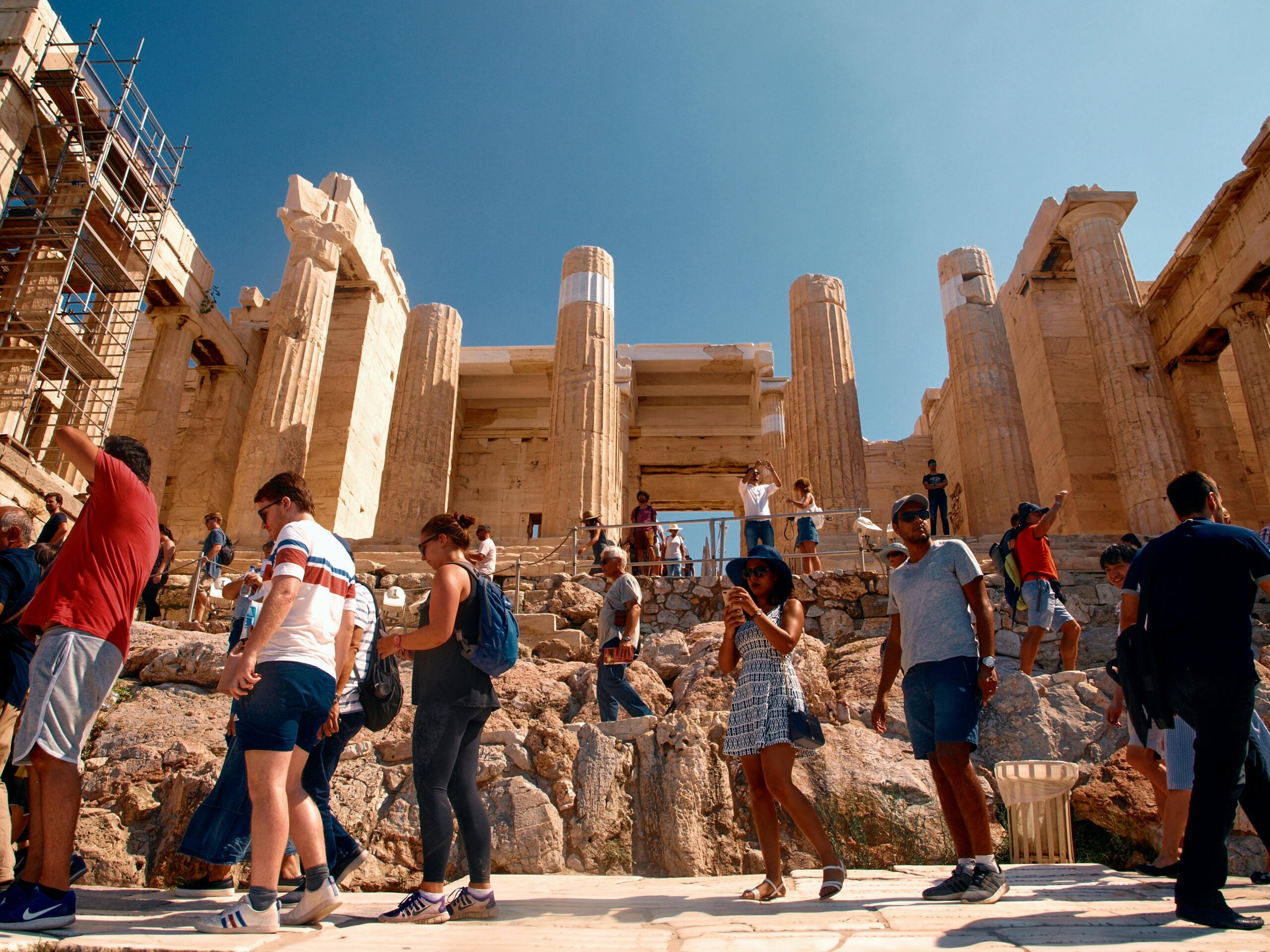
A strange tourism reversal is unfolding across the Aegean Sea.
Turkish tourists are increasingly traveling to Greece in large numbers, filling ferries, hotels, restaurants, and island streets.
Meanwhile, many Greeks are doing the opposite:
avoiding Turkey because rising costs and economic instability are making trips less attractive.
At first glance, this looks like a simple tourism trend.
But underneath, it reveals something much deeper about:
- inflation
- currency dynamics
- regional economics
- cross-border psychology
- and how tourism increasingly mirrors geopolitical and financial realities.
In the eastern Mediterranean, tourism is no longer just about beaches and vacations.
It is becoming a real-time indicator of economic imbalance.
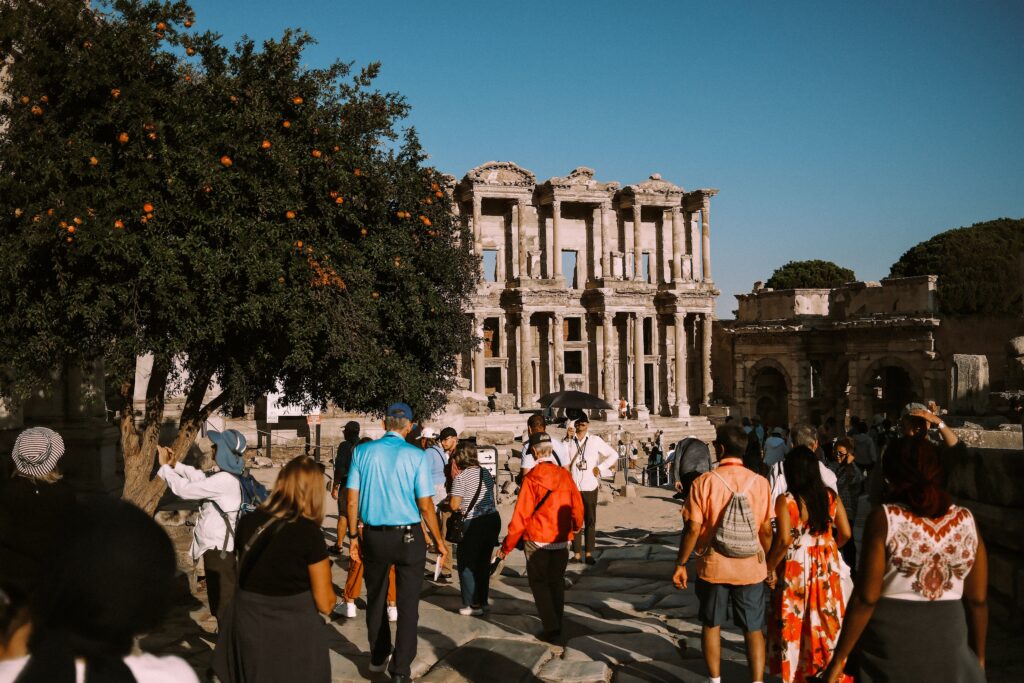
🌊 The Aegean tourism corridor is one of Europe’s most unique travel zones
The geography between Greece and Turkey creates an unusually interconnected tourism ecosystem.
Many Greek islands sit extremely close to Turkey’s western coastline.
In some cases:
- ferry rides take less than an hour
- day trips are common
- travelers regularly move between cultures, currencies, and markets
This has historically created a relatively balanced tourism exchange:
- Greeks visiting Turkish coastal towns
- Turks visiting nearby Greek islands
- businesses benefiting from cross-border tourism flows
But economic shifts are disrupting that balance.
💸 Inflation and currency pressure are reshaping travel decisions
Turkey has faced severe inflation and currency instability in recent years.
Paradoxically, this creates two opposite tourism effects at once:
🇹🇷 For Turkish outbound tourists:
Some Turkish middle- and upper-income travelers still retain enough purchasing power to travel abroad and seek:
- stability
- predictable pricing
- European shopping experiences
- stronger tourism infrastructure
Greece becomes attractive partly because:
it offers psychological economic stability.
🇬🇷 For Greek visitors considering Turkey:
Rapid price increases inside Turkey have reduced the traditional affordability advantage.
Hotels, restaurants, and tourist services in Turkish resorts have become significantly more expensive, especially in areas heavily dependent on international tourism.
As a result:
Turkey no longer automatically feels like a “cheap nearby getaway” for many Greeks.
🧳 Tourism is deeply psychological
Travel decisions are rarely based on price alone.
They are influenced by:
- perceived value
- currency confidence
- emotional comfort
- political atmosphere
- predictability
Even if Turkey still offers competitive prices in some sectors, economic volatility creates uncertainty.
Travelers often prefer:
stable expectations over theoretical bargains.
This is one reason Greece currently benefits from stronger perceived tourism reliability among Turkish visitors.
🚢 Greek islands are becoming major beneficiaries
Several eastern Aegean islands are seeing major increases in Turkish arrivals, including destinations known for:
- short ferry access
- shopping tourism
- weekend escapes
- food and nightlife
Turkish tourists are contributing to:
- restaurant revenue
- retail spending
- hotel occupancy
- local transportation economies
For many islands, Turkish tourism has become increasingly important outside traditional Western European visitor flows.
🏨 Turkey’s tourism paradox: booming internationally, complicated domestically
Turkey remains one of the world’s major tourism destinations overall.
Millions of international visitors still arrive annually because:
- the weak Turkish lira can benefit foreign currency holders
- Turkey offers extensive hospitality infrastructure
- beach resorts remain globally competitive
But domestic and regional tourism dynamics are becoming more uneven.
The key paradox:
Turkey can simultaneously feel affordable to some foreigners while expensive to neighboring regional travelers.
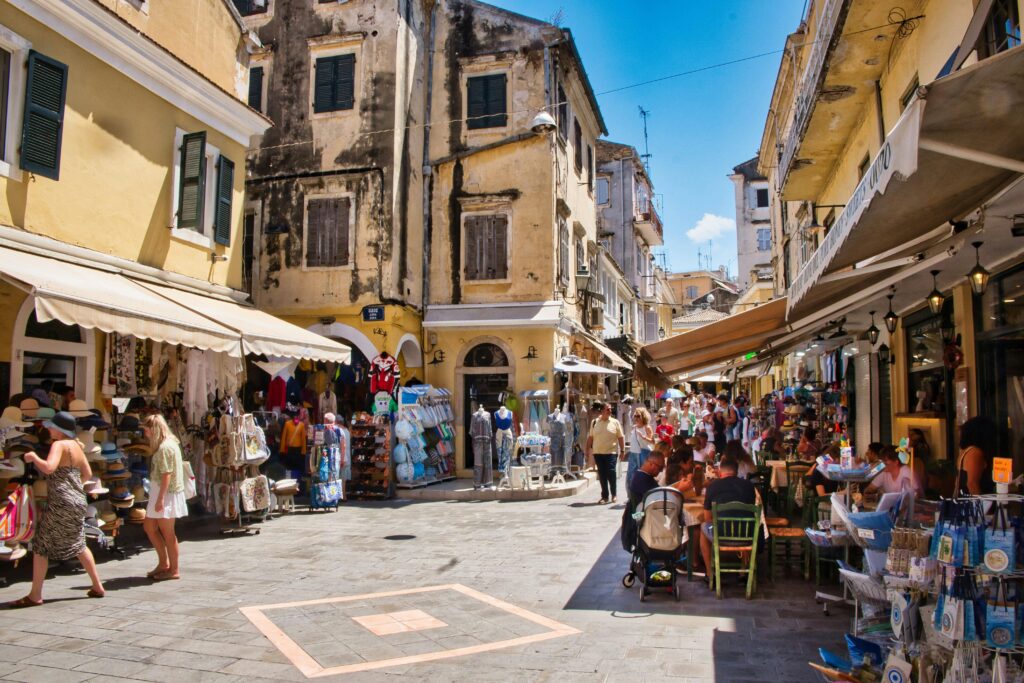
📈 Rising tourism prices are changing Turkey’s image
Over the past few years, Turkish tourism businesses have sharply raised prices in many resort areas due to:
- inflation
- labor cost increases
- energy costs
- attempts to recover post-pandemic revenue losses
This has altered perception.
Turkey was once marketed heavily as:
high-value, low-cost Mediterranean tourism.
Now, some travelers increasingly describe certain areas as:
- overpriced
- unpredictable
- no longer significantly cheaper than Greece
Perception matters enormously in tourism economics.
🌍 Cross-border tourism reflects political normalization too
Interestingly, tourism flows between Greece and Turkey also reflect improving practical cooperation in some areas despite long-standing political tensions.
Recent efforts include:
- expanded ferry agreements
- visa facilitation programs for Turkish visitors to Greek islands
- tourism-focused regional diplomacy
This shows how tourism can sometimes function separately from geopolitical rivalry.
Economics often creates incentives for practical coexistence even where political tensions remain unresolved.
🛍️ Shopping tourism is a major factor
For many Turkish tourists, Greece is not just a beach destination.
It is also:
- a shopping trip
- a lifestyle experience
- access to European goods and brands
- a short-term eurozone experience
Cross-border retail tourism has become increasingly important, especially among travelers seeking:
- product variety
- stable pricing
- luxury goods
- food and hospitality experiences perceived as “European standard”
📱 Social media is amplifying destination shifts
Travel trends now spread extremely quickly online.
Photos and videos of:
- Greek island cafes
- ferry journeys
- affordable packages
- shopping districts
circulate widely on:
- TikTok
- Turkish travel influencer networks
This creates self-reinforcing momentum:
visibility drives demand, which drives more visibility.
Tourism flows today are partly algorithmic.
⚖️ The deeper issue: tourism inequality inside economies
One overlooked aspect of this trend is economic stratification.
Not all Turkish citizens can easily afford international travel during inflationary periods.
The current outbound tourism boom mainly reflects:
- upper-middle-income consumers
- wealthier urban populations
- travelers with foreign currency access or savings
This creates a visible divide between:
- tourism as aspiration
and - tourism as financial accessibility.
🔮 What happens next?
Several trends could shape future Greece-Turkey tourism dynamics:
1. Continued Greek island growth
If visa facilitation expands, Turkish arrivals may increase further.
2. Pricing pressure in Turkey
Turkey may need to rebalance tourism pricing to remain regionally competitive.
3. Short-haul regional tourism expansion
Mediterranean ferry tourism may become more important as travelers seek lower-cost nearby travel.
4. Greater economic sensitivity
Tourism flows may increasingly fluctuate with currency and inflation movements.
❓ FAQ: Turkish tourists and Greece tourism trends
1. Why are more Turkish tourists visiting Greece?
Because Greece offers perceived economic stability, easier regional travel, shopping opportunities, and attractive island tourism.
2. Why are fewer Greeks traveling to Turkey?
Rising prices and economic uncertainty in Turkey have reduced its affordability advantage.
3. Is Turkey still a major tourism destination?
Yes. Turkey remains one of the world’s largest tourism markets, especially for international visitors.
4. Which Greek destinations benefit most?
Eastern Aegean islands near Turkey are seeing strong increases in Turkish arrivals.
5. How does inflation affect tourism?
Inflation changes traveler perceptions of value, affordability, and financial predictability.
6. Is tourism connected to politics between Greece and Turkey?
Yes. Tourism often reflects broader diplomatic, economic, and regional cooperation trends.
🧭 Final thought
Tourism is often treated like leisure.
But in reality, it is one of the clearest mirrors of economic psychology.
People travel toward:
- stability
- confidence
- predictability
- aspiration
And right now, across the Aegean Sea, those forces are quietly redrawing tourism patterns between Greece and Turkey.
Not through politics alone.
But through wallets, perceptions, and the invisible emotional mathematics of modern travel.
Sources Euro News

