
What began as a simple tourist complaint over tap water at a hotel in Italy’s Dolomites has evolved into something much larger:
a debate about hospitality ethics, overtourism, environmental sustainability, and the changing economics of European travel.
At the center of the controversy is a legal case involving tourists who reportedly requested tap water at a hotel and encountered restrictions or charges that later triggered public backlash and court attention.
On the surface, it sounds trivial.
But in Europe’s modern tourism economy, even a glass of water can reveal tensions between:
- consumer expectations
- local business practices
- sustainability messaging
- and the pressure tourism places on iconic destinations.
🏔️ Why the Dolomites matter so much in European tourism
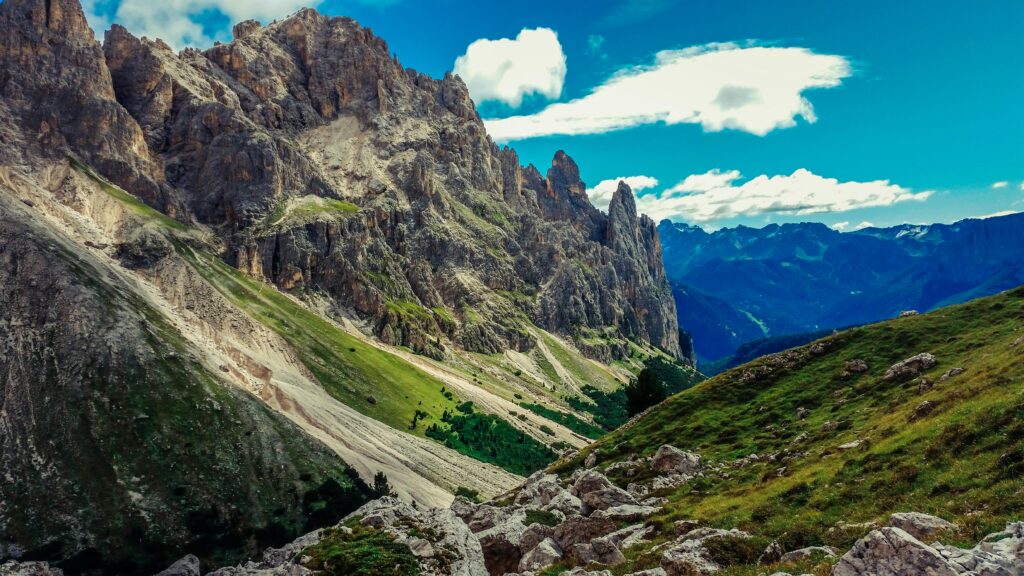
The Dolomites are not just another mountain range.
Located in northern Italy and recognized as a UNESCO World Heritage Site, they are among Europe’s most visited alpine destinations.
The region attracts:
- hikers
- skiers
- luxury travelers
- eco-tourists
- photographers and social media creators
Tourism there has expanded rapidly over the past decade due to:
- Instagram-driven travel visibility
- adventure tourism growth
- luxury alpine hospitality
- easier transportation access
And with popularity comes strain.
🚿 The tap water dispute became symbolic
The controversy surrounding tap water touched a nerve because it collided with modern travel expectations.
Many travelers today assume:
- tap water should be freely available
- especially in countries with safe public drinking systems
Italy generally has high-quality potable water infrastructure, especially in alpine regions where mountain water is often exceptionally clean.
So when tourists face:
- refusal of tap water
- mandatory bottled water purchases
- or service fees linked to water access
it can feel less like hospitality and more like monetization.
The backlash intensified because:
sustainability-conscious travelers increasingly see bottled water dependency as environmentally contradictory.
🌍 Europe’s tourism industry is caught between sustainability and profit
This incident reflects a broader European tourism contradiction.
Destinations promote:
- eco-tourism
- low-waste travel
- environmental responsibility
- climate awareness
Yet many tourism systems still rely heavily on:
- disposable bottled products
- high-volume visitor spending
- luxury consumption models
The result is tension between:
sustainability branding and tourism business incentives.
A simple tap water request suddenly becomes symbolic of whether sustainability is truly operational —
or just marketing language.
🍽️ The cultural side of water service in Europe
Part of the misunderstanding also comes from cultural differences.
In some countries, especially the United States, free tap water in restaurants is standard practice.
In parts of Europe:
- bottled water service is more normalized
- sparkling or mineral water is culturally preferred
- restaurants may view table water differently as part of service economics
But global tourism is flattening expectations.
International travelers increasingly expect:
- transparent pricing
- environmentally friendly practices
- accessible drinking water
This creates friction between:
- local hospitality traditions
and - global consumer assumptions.
🧳 Tourism pressure is changing hospitality behavior
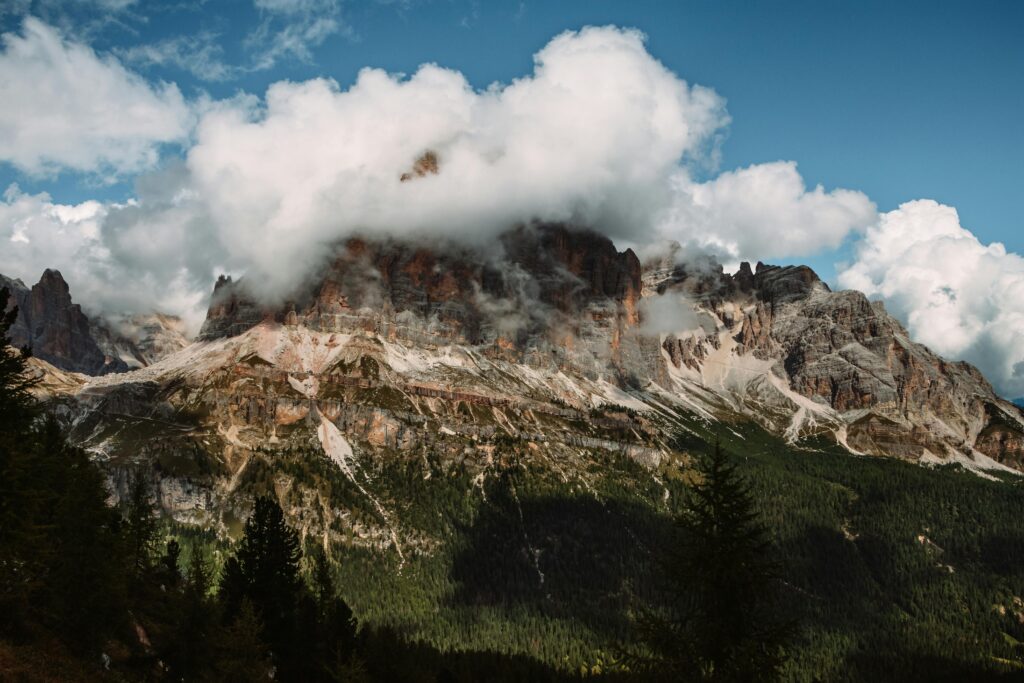
The Dolomites have seen major visitor growth in recent years.
That growth creates pressure on:
- infrastructure
- waste management
- water systems
- housing availability
- local communities
At the same time, hospitality businesses face:
- rising labor costs
- energy inflation
- seasonal demand fluctuations
- high operational expenses
Some hotels and restaurants attempt to offset costs through:
- service fees
- premium pricing structures
- packaged dining experiences
Tourists, meanwhile, increasingly scrutinize these practices online.
One viral complaint can now become:
an international reputation issue overnight.
📱 Social media amplified the controversy
In the modern travel economy, perception spreads instantly.
A local dispute that once might have stayed private can now:
- trend internationally
- trigger review bombing
- spark legal and ethical debates
- influence destination branding
Travel platforms and social media have fundamentally changed power dynamics between:
- tourists
- hotels
- local tourism boards
Hospitality is no longer judged only in person —
it is judged publicly and globally in real time.
⚖️ Why courts are becoming involved in tourism disputes
As tourism becomes more commercialized, legal systems increasingly mediate conflicts involving:
- hidden fees
- consumer transparency
- hospitality obligations
- environmental claims
- traveler rights
This reflects a broader transformation:
tourism is evolving from informal hospitality into heavily scrutinized consumer economics.
Courts are increasingly asked to determine:
- what counts as fair treatment
- what businesses must disclose
- and whether sustainability claims align with actual practices.
💧 Water itself is becoming politically symbolic
Globally, access to water is becoming a larger issue tied to:
- climate change
- tourism sustainability
- public infrastructure
- environmental justice
In heavily visited destinations, tourists consume significant water resources through:
- hotels
- spas
- laundry systems
- restaurants
- artificial snowmaking in ski regions
This makes even symbolic disputes around drinking water emotionally charged.
🏨 Luxury tourism vs. sustainable tourism
The Dolomites represent a growing contradiction in modern travel:
travelers want pristine natural environments while also demanding high-comfort luxury experiences.
Luxury tourism often increases:
- energy use
- resource consumption
- infrastructure pressure
At the same time, travelers increasingly expect:
- ethical sourcing
- low environmental impact
- authentic local sustainability practices
Balancing these expectations is becoming one of tourism’s hardest challenges.
🌱 The future may involve stricter tourism standards
This controversy may accelerate broader discussions about:
- mandatory transparency for hospitality fees
- free drinking water access policies
- sustainability certification enforcement
- overtourism regulation in fragile destinations
Several European cities and tourism regions are already experimenting with:
- visitor caps
- eco taxes
- environmental standards for hotels
- water refill infrastructure expansion
The Dolomites case fits into this wider trend.
❓ FAQ: Italy, tourism, and the Dolomites tap water controversy
1. Why did the tap water issue become controversial?
Because many travelers expected free access to safe drinking water and viewed restrictions or charges as unfair or environmentally contradictory.
2. Is tap water safe in Italy?
Generally yes, especially in alpine regions like the Dolomites where water quality is often very high.
3. Why do some European restaurants prefer bottled water?
Cultural dining traditions and business economics often make bottled water the standard table service option.
4. What larger issue does this controversy reflect?
It highlights tensions between tourism profits, sustainability branding, consumer expectations, and overtourism pressure.
5. Are tourism disputes increasingly becoming legal matters?
Yes. Courts are seeing more cases related to transparency, pricing practices, and traveler rights.
6. Why are the Dolomites under tourism pressure?
Social media exposure and global travel demand have sharply increased visitor numbers in recent years.
🧭 Final thought
The argument over a glass of tap water may seem absurd at first glance.
But modern tourism is full of moments like this —
small interactions that expose much bigger systems underneath.
In the Dolomites, the issue was never really just water.
It was about:
- what travelers believe they are paying for
- what destinations promise about sustainability
- and whether tourism can remain both profitable and genuinely responsible at the same time.
Sometimes the deepest cracks in global tourism appear not through massive crises…
but through the smallest requests imaginable:
“Can I just have some water?”
Sources The Guardian

