

Europe is not just a travel destination.
It is the global epicenter of tourism gravity — a continent where history, culture, infrastructure, and geography collide to create the world’s most visited travel ecosystem.
Despite global disruptions, shifting travel trends, and rising competition from Asia and the Middle East, Europe continues to attract hundreds of millions of international visitors annually, making it the most powerful tourism region on Earth.
But the real question is not just who is visited most.
It is:
Why do these countries dominate so consistently?
Let’s break it down.
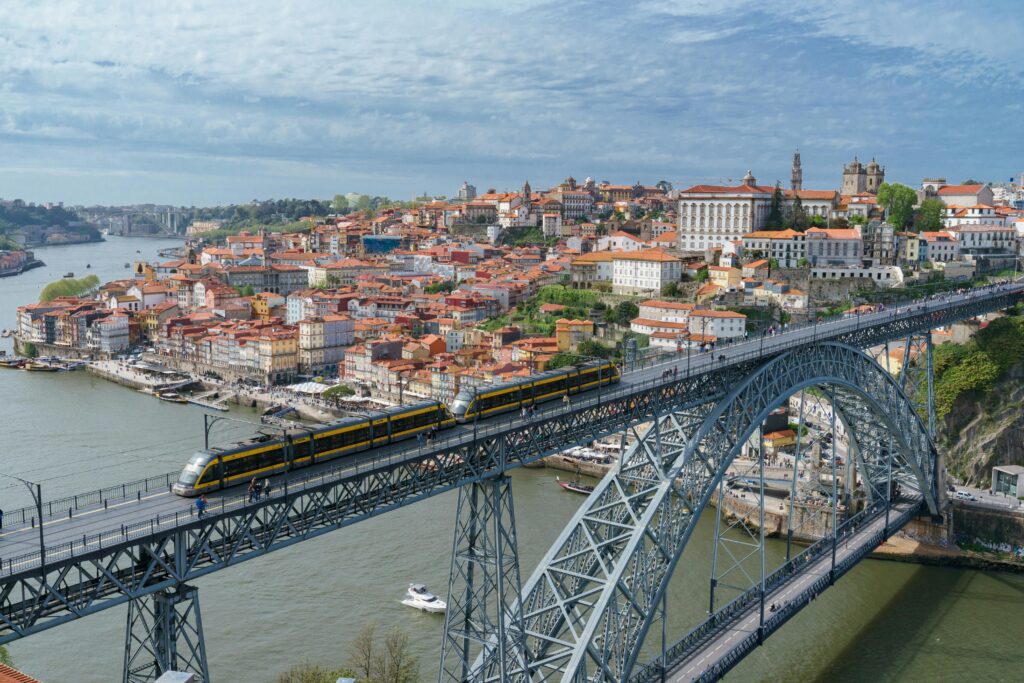
🏆 The undisputed leaders of European tourism
Across recent global tourism rankings, a clear hierarchy emerges:
🇫🇷 France — The global tourism champion
France remains the most visited country in the world, welcoming over 100 million international visitors annually.
Why it wins:
- Paris (Eiffel Tower, Louvre, Notre-Dame)
- French Riviera luxury tourism
- Alpine ski resorts
- Wine, cuisine, and cultural branding
- Strong air connectivity hub in Europe
France is not just a destination — it is a global tourism brand identity.
🇪🇸 Spain — The Mediterranean magnet
Spain consistently ranks second in Europe, attracting close to 90–95 million visitors yearly.
Key drivers:
- Barcelona architecture tourism (Gaudí legacy)
- Madrid cultural and museum tourism
- Balearic Islands (Ibiza, Mallorca)
- Andalusia heritage routes
- Strong beach + nightlife economy
Spain’s advantage is diversity:
it offers five different tourism experiences in one country.
🇮🇹 Italy — The living museum of Europe
Italy remains a top-tier global destination with around 60–70 million visitors annually.
Core attractions:
- Rome (Colosseum, Vatican City)
- Venice canals and heritage tourism
- Florence Renaissance art
- Amalfi Coast luxury travel
- Tuscany gastronomy tourism
Italy’s tourism strength is emotional:
visitors don’t just see history — they walk inside it.
🇹🇷 Türkiye — The bridge between continents
Türkiye consistently ranks among Europe’s most visited destinations, with tens of millions of visitors annually.
Why it stands out:
- Istanbul cultural fusion (Europe + Asia)
- Cappadocia hot-air balloon tourism
- Antalya coastal resorts
- Affordable luxury travel model
Türkiye succeeds by combining:
price competitiveness + cultural density + geographic uniqueness.
🇬🇧 United Kingdom — heritage meets global city tourism
The UK remains a major tourism hub, especially London.
Key attractions:
- British Museum and heritage sites
- Royal tourism (Buckingham Palace, Windsor)
- Pop culture tourism (Harry Potter, music history)
- Financial and business travel hub
London alone acts as a global entry point to Europe.
📊 The bigger pattern: why Europe dominates global tourism
Europe’s tourism leadership is not accidental.
It is built on five structural advantages:
🏛️ 1. Dense historical concentration
No other region packs:
- ancient empires
- medieval cities
- Renaissance art
- modern capitals
into such a small geographic space.
You can cross multiple centuries of history in a single train ride.
🚆 2. Seamless cross-border mobility
The Schengen Area allows:
- passport-free movement across most countries
- efficient rail networks
- low-cost airline competition
This creates a “multi-country vacation effect.”
🧳 3. Strong tourism infrastructure
Europe excels in:
- hotels at every price level
- multilingual services
- digital booking systems
- regulated tourism standards
Tourism here is not improvised — it is industrialized.

🍷 4. Cultural export power
Europe’s global influence in:
- cuisine
- fashion
- art
- architecture
- cinema
means tourists arrive with pre-built emotional expectations.
🌍 5. Brand legacy advantage
Paris, Rome, Barcelona, London — these are not just cities.
They are global cultural symbols.
⚠️ The hidden problem: overtourism pressure
High popularity has a cost.
Many European destinations are now facing:
- overcrowding in historic centers
- rising housing prices due to short-term rentals
- resident protests against mass tourism
- environmental stress on coastal and alpine regions
Cities like Venice and Barcelona have already introduced:
- visitor caps
- tourist taxes
- rental restrictions
The paradox is clear:
The more popular Europe becomes, the harder it is to sustain that popularity.
🔄 New tourism shift: from famous to “authentic Europe”
A growing trend is emerging:
Travelers are moving away from:
- Paris
- Rome
- Barcelona
toward:
- Slovenia
- Slovakia
- Albania
- rural Portugal
- Baltic states
Why?
- lower prices
- fewer crowds
- “authentic experience” marketing
- social media discovery of hidden gems
This is creating a second-tier tourism economy in Europe.
🧠 Economic insight: tourism is Europe’s invisible export
Tourism is one of Europe’s largest economic sectors.
It drives:
- employment in hospitality
- transportation revenue
- cultural preservation funding
- regional development in rural areas
In economic terms:
Europe doesn’t export goods — it exports experiences.
🔮 Future outlook: where European tourism is heading
Expect three major shifts:
1. AI-driven travel planning
Personalized tourism routes based on:
- crowd density
- weather
- cultural preferences
2. Climate reshaping travel flows
Southern Europe may face:
- heat-driven seasonal shifts
- migration of tourists toward northern Europe in summer
3. Experience-based tourism growth
Less focus on sightseeing, more on:
- immersive culture
- local participation
- slow travel ecosystems
❓ FAQ: Europe’s most visited countries
1. Which is the most visited country in Europe?
France consistently ranks first, with over 100 million international visitors annually.
2. Why is Europe so popular for tourism?
Because it combines dense history, easy cross-border travel, strong infrastructure, and globally recognized cultural cities.
3. Is Spain or Italy more visited?
Spain typically attracts more tourists overall, but Italy remains a close competitor due to cultural tourism strength.
4. Is Europe facing overtourism?
Yes. Major cities like Venice, Barcelona, and Amsterdam are actively managing tourist pressure.
5. Are new destinations emerging in Europe?
Yes. Eastern and Balkan countries are becoming increasingly popular due to affordability and reduced crowding.
6. Will Europe remain the top tourism region?
Yes — but its dominance will shift from mass tourism toward managed, premium, and distributed tourism models.
🧭 Final thought
Europe’s tourism dominance is not just about beauty.
It is about systems, history, and accessibility working in perfect alignment.
But the next chapter is changing the rules.
The question is no longer:
“Why do people visit Europe?”
It is becoming:
“How long can Europe handle being everyone’s first choice?”
And that answer will define the next decade of global travel.
Sources Euro News

