
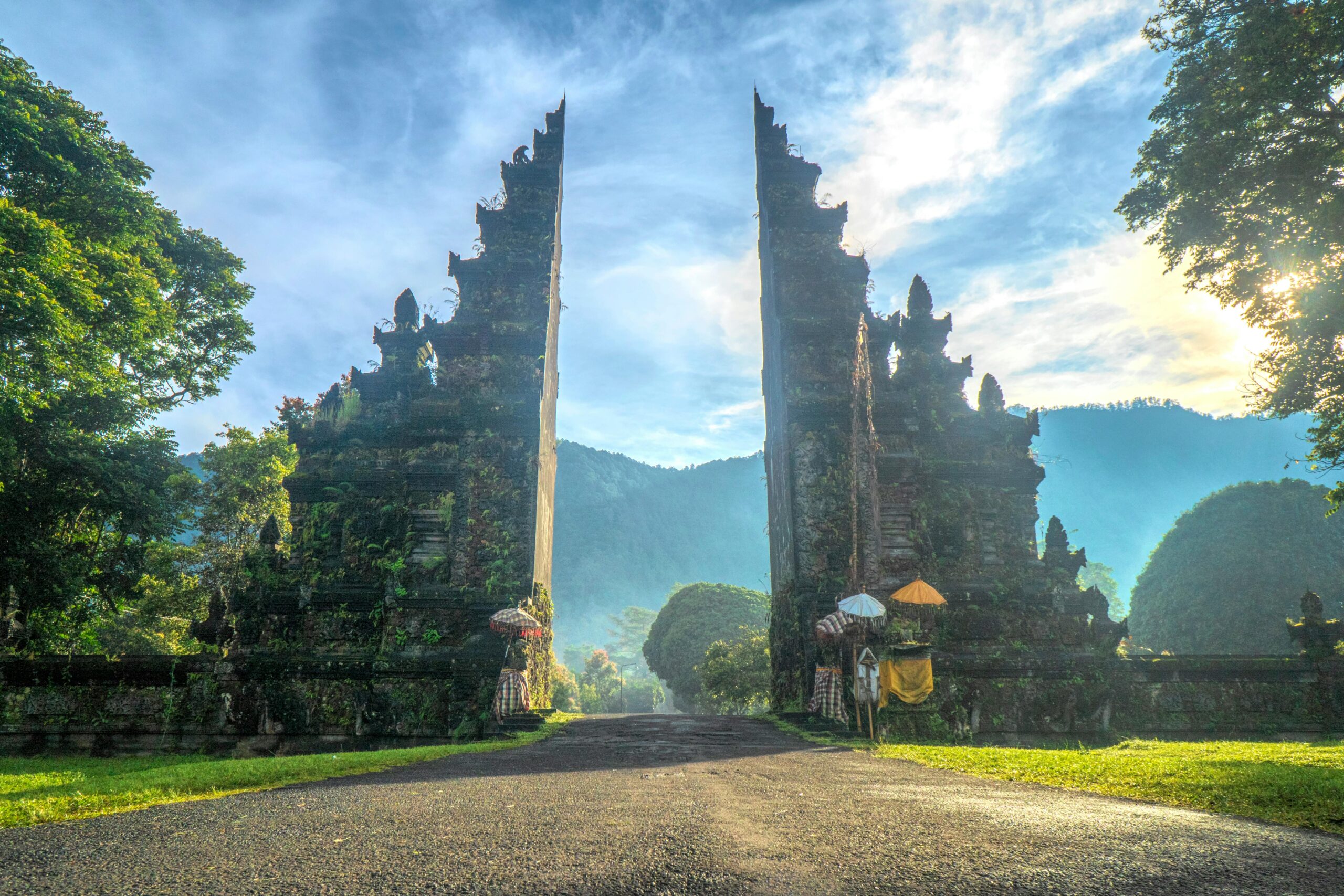
Indonesia’s “Bali and Beyond” tourism policy leans heavily on Bali’s enduring popularity. In 2024, Bali welcomed over 6.3 million international tourists, comprising roughly half of Indonesia’s total 13 million arrivals. The government now aims for 6.5 million foreign visitors and 10.5 million domestic travelers in 2025, supported by cultural events and infrastructure plans.
Meanwhile, Indonesia has promised to promote over 10 new destinations—referred to as the “10 Balis,” including Lombok, Labuan Bajo, Mandalika, and East Nusa Tenggara—but progress remains uneven.

📍 Why Bali Still Dominates
- Proven infrastructure and events calendar: Bali’s 2025 festival lineup includes 54 events, 45 rooted in Balinese culture, drawing continued global interest.
- Barriers to new development: A hotel moratorium in Bali’s southern region and a tourist tax (~USD 15 per foreign visitor) aim to curb overexpansion and support preservation efforts.
- Tourism pressure: Despite these measures, Bali suffers from congestion, waste, land speculation, and environmental degradation.
- Enforcement measures: The government has begun demolishing unauthorized structures to reclaim land and restore regulation compliance.
🏝 Under-Visited Islands Still Waiting in the Wings
- Lombok & Mandalika: Positioned as Bali’s alternative, they feature pristine beaches, surf, yoga retreats, and the Mandalika Special Economic Zone, home to a MotoGP circuit and planned resorts. Yet, visitor numbers are still modest.
- Labuan Bajo (Flores Island): As a designated Super Priority Tourism Destination, it centers around Komodo National Park. Despite social media fame, growth has raised concerns about environmental sustainability and inequality.
- East Nusa Tenggara: With gems like Sumba, Alor, and Padar, this region offers raw natural beauty but faces challenges in infrastructure and logistics.
- Commitment gaps: While Indonesia promotes diversification, Bali continues to receive the bulk of investment and branding efforts. Other islands often lack consistent support, transportation access, and international marketing.
⚖️ Broader Issues & Risks
- Economic imbalance: Many local communities outside Bali receive little direct benefit from tourism, with profits often captured by larger corporations.
- Environmental threats: As tourism spreads, unregulated growth could replicate Bali’s negative impacts on other islands.
- Planning vs reality: Projects like the new airport in north Bali suggest expansion rather than true decentralization, raising concerns about simply exporting overtourism.

🌱 What It Would Take for a Balanced “Beyond Bali”
- Global marketing for other islands: Campaigns like “Wonderful Indonesia” must promote Lombok, Flores, and other destinations alongside Bali.
- Sustainable development: Models like regenerative tourism in less-trafficked areas must lead the way in infrastructure design and community benefit.
- Community inclusion: Regional policy must prioritize jobs, local business opportunities, and training for residents to share in tourism profits.
- Tourist flow management: Improved transport networks and regional airports can help direct visitors to lesser-known areas, avoiding crowding in Bali.
❓ Frequently Asked Questions
Q: Why does Bali still receive most tourists?
A: Bali has the most developed tourism infrastructure, international airport access, year-round festivals, and long-standing global branding.
Q: What are Indonesia’s priority alternatives to Bali?
A: Key locations include Lombok/Mandalika, Labuan Bajo (Komodo), and East Nusa Tenggara islands such as Sumba and Alor.
Q: Are these other islands safe and accessible?
A: Generally yes, but transport, accommodations, and healthcare access vary widely depending on the island and season.
Q: Why aren’t these destinations seeing greater growth?
A: Investment and marketing are still heavily Bali-centric. Many destinations lack international visibility, adequate facilities, and government follow-through.
Q: What are the main overtourism problems in Bali?
A: Environmental degradation, housing pressure, traffic congestion, illegal construction, and social tension due to overcrowding and resource strain.
📝 Final Thoughts
Indonesia’s tourism industry is at a crossroads. Bali remains its crown jewel, but continued over-reliance is unsustainable. The future lies in balanced development—where Lombok, Labuan Bajo, and dozens of lesser-known islands are not just alternatives, but thriving destinations in their own right.
For this to happen, policymakers must match bold promises with investment, community empowerment, and smarter infrastructure. Only then can Indonesia offer travelers a richer, more diverse experience—without leaving paradise beaches sitting empty.

Sources Bloomberg

