
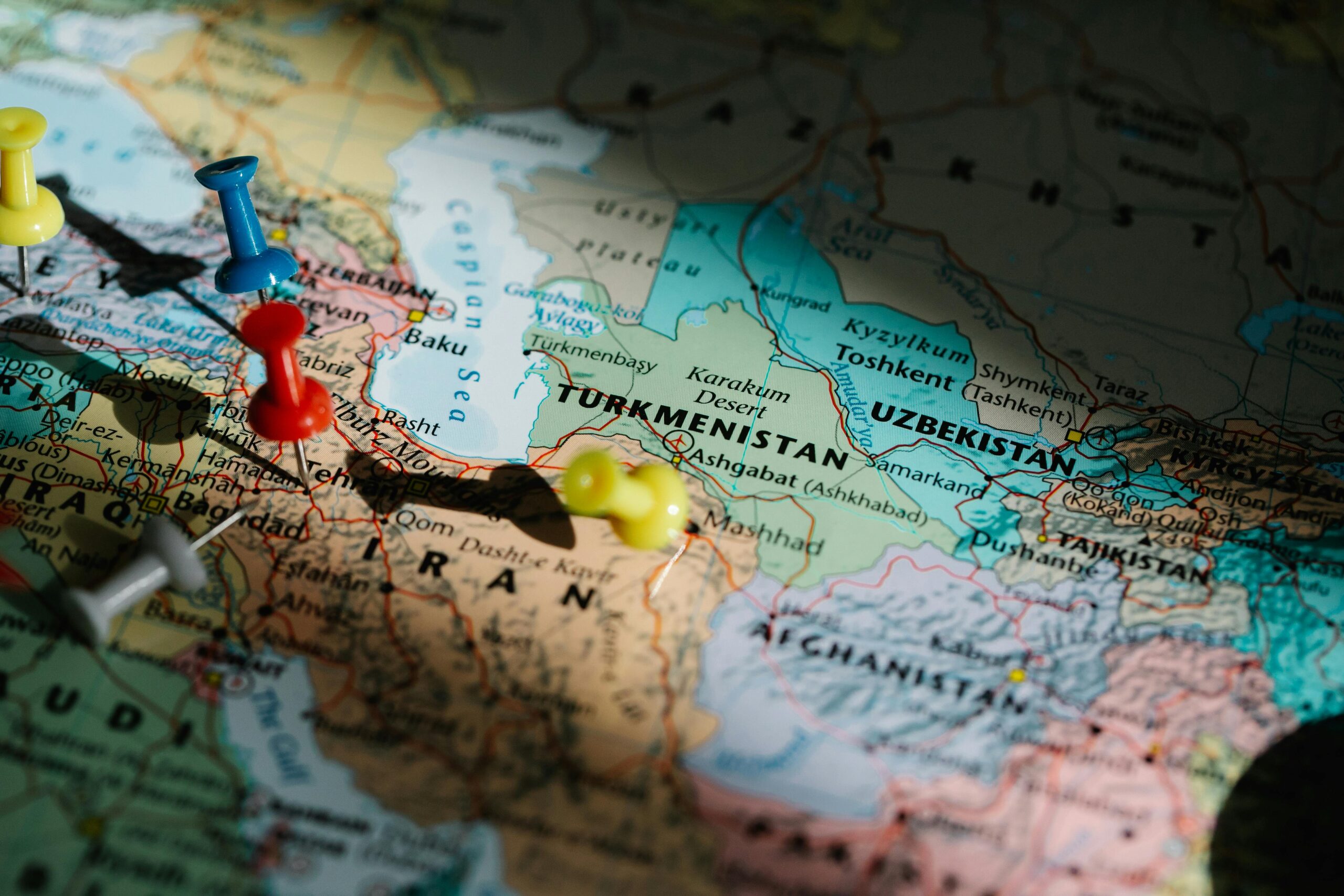
Once one of the world’s most restricted destinations, Turkmenistan is now signaling openness. A newly enacted e‑Visa system is poised to replace the decades-old, invitation-only model—marking a major step in engaging the international community.

📑 A Century-Long Isolation Breaks
- Since its 1991 independence, Turkmenistan required all visitors to obtain a pre-approved, government-backed letter of invitation, often through licensed travel agencies. Many applications were rejected without explanation.
- On April 18, 2025, Turkmen lawmakers passed and the president signed legislation allowing electronic visas, eliminating the need for invitation letters.
- While details like cost, eligibility, and lengths of stay are still being finalized, the intent is clear: boost tourism, business travel, and global engagement.
📈 Projecting Growth: From 14,000 Visitors to Economic Potential
- Turkmenistan attracted just ~14,000 foreign visitors in 2019. The restrictive visa system helped keep that number low.
- Its tourism earnings stood near US$62 million in 2024, but projections estimate rising to $90 million by 2028, thanks to expected tourist growth and investment.
- The move fits broader economic diversification goals—especially amid energy deals that bypass traditional routes and partners.
🌍 What Travelers Will Finally See
Ancient Silk Road Heritage
UNESCO sites like Merv, Nisa, and Kunya-Urgench offer remarkable insight into Turkmenistan’s past and Silk Road legacy.
Natural and Architectural Marvels
The surreal Darvaza gas crater (“Gate to Hell”) burns continuously over a vast desert plain.
Yangykala Canyon, known as the “Turkmen Grand Canyon,” and soaring desert vistas reveal dramatic terrain rarely seen by international travelers.
Marble Capital & Monumental Design
Ashgabat’s marble-clad boulevards and grand monuments, such as the Turkmenbashi Ruhy Mosque and national museums, reflect modern Turkmen identity.
✅ What the New E‑Visa Means for Visitors
- Simple online application: No embassy visits or formal invitation letters required.
- Faster processing: Expected to be completed within days, not weeks.
- International access: Initially proposed for citizens of about 50 countries.
- Business and tourism access: Enables both leisure travelers and international partners to enter without prior vetting delays.
🛠 Challenges & What Comes Next
- Media and promotional gaps: With tight control over journalism and lack of global marketing, Turkmenistan must build awareness to attract visitors.
- Infrastructure readiness: Hotels, transport, and tour services are limited—especially in remote desert or heritage locations.
- Neighbor competition: Central Asian neighbors already offer visa-free access or easier entry, placing pressure on Turkmenistan to deliver a smooth digital visa experience.
- Implementation timeline: Though the law passed in April, the e‑visa rollout depends on presidential regulation and technological setup.
❓ Frequently Asked Questions
Q1: When will Turkmenistan’s e‑visa system launch?
A: The law took effect in April 2025, but the exact rollout date has not yet been confirmed.
Q2: Do I still need an invitation letter?
A: No—official invitations will no longer be required once the e‑visa is operational.
Q3: What tourist sites does Turkmenistan offer?
A: Highlights include Merv, Nisa, Kunya-Urgench, the Darvaza fire crater, Yangykala Canyon, and Ashgabat’s marble monuments.
Q4: Will this policy affect business and trade too?
A: Yes—the e‑visa aims to boost not just tourism but also business travel, investment, and regional cooperation.
Q5: Is Turkmenistan safe for travelers?
A: Yes, by regional standards. The country is politically stable and peaceful, though tourism infrastructure remains basic and developing.
📌 Final Thoughts
The shift toward electronic visas marks a new chapter for Turkmenistan: from isolation to cautious openness. For adventurous travelers, it offers access to unexplored desert landscapes, ancient Silk Road cities, and modern architectural surprises. For the economy, it represents a step toward diversification, cultural exchange, and regional connectivity.

Sources CNN

