
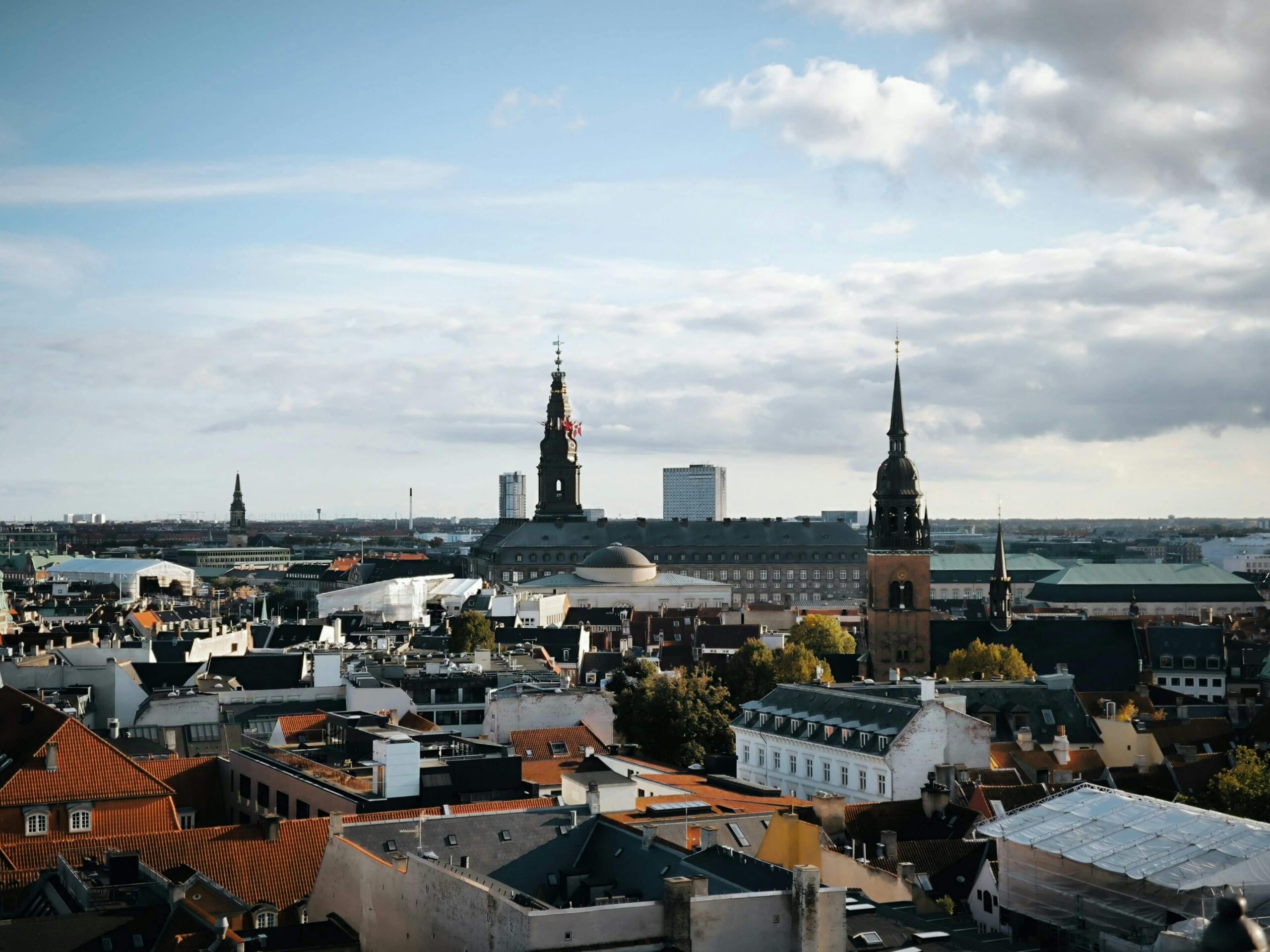
Copenhagen has become more than a city break destination.
It is increasingly positioning itself as a global laboratory for sustainable tourism — a place where travel is not only about seeing a city, but about experiencing how an urban system can function with climate responsibility built into every layer.
The Nordic approach to green travel is not a marketing slogan. It is a coordinated strategy that blends urban planning, behavioral design, transport systems, and tourism economics into a single vision:
tourism should improve a city, not strain it.
Copenhagen is one of the clearest real-world examples of that philosophy in action.
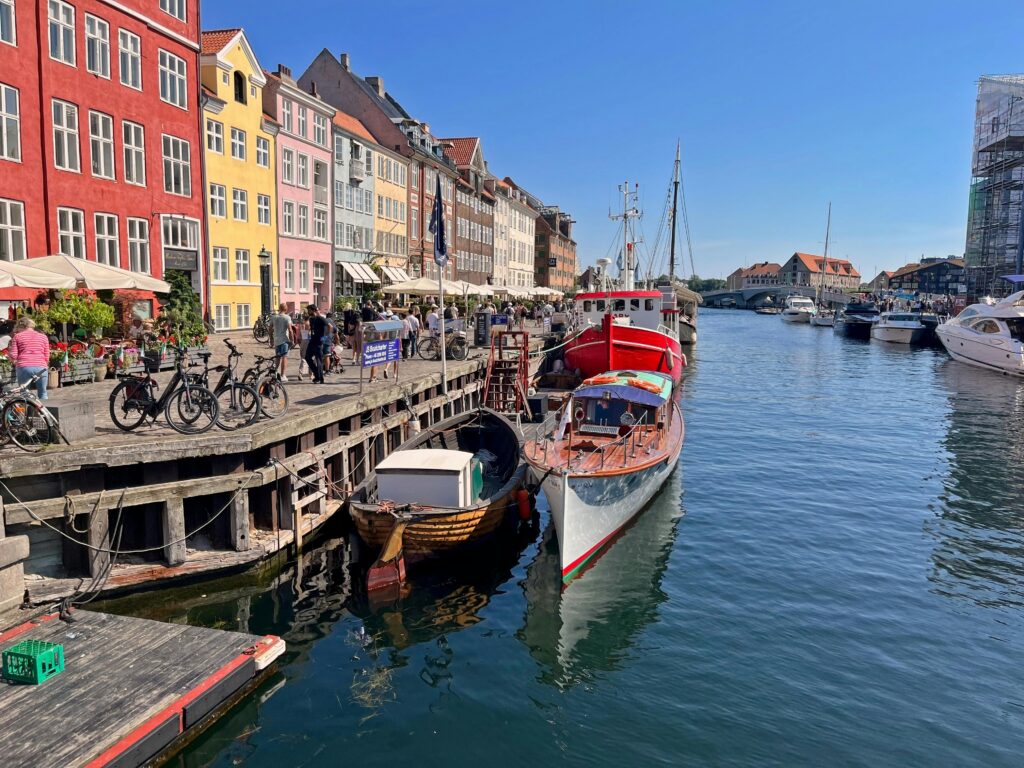
🌍 What makes Copenhagen different from typical “eco-tourism” cities
Many cities promote sustainability in tourism through isolated measures:
- recycling programs
- “green” hotel certifications
- carbon offset campaigns
Copenhagen takes a more systemic approach.
Sustainability is embedded in:
- transport infrastructure
- energy systems
- urban mobility design
- hospitality regulations
- tourism marketing strategy
- public space usage
Instead of treating sustainability as an add-on, Copenhagen treats it as the default operating system.
That distinction matters.
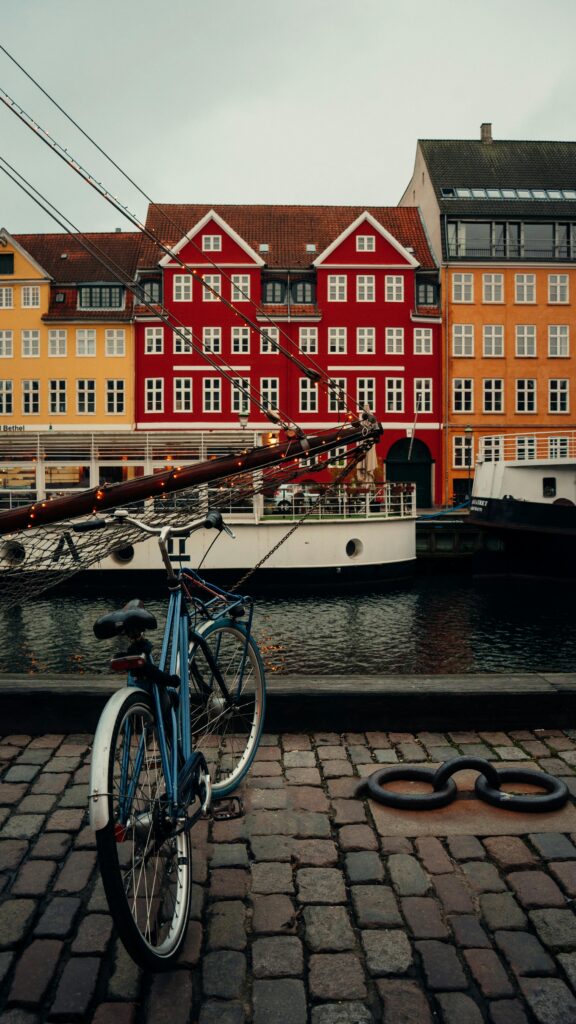
🚲 The bicycle is not a feature — it is infrastructure
Copenhagen is globally known for cycling culture, but its success is not cultural accident.
It is the result of decades of:
- dedicated cycling highways
- traffic prioritization systems
- protected bike lanes
- urban zoning that favors short-distance travel
- integrated public-bike infrastructure
In many parts of the city:
bicycles are not an alternative to cars — they are the primary transportation model.
For tourists, this transforms the experience.
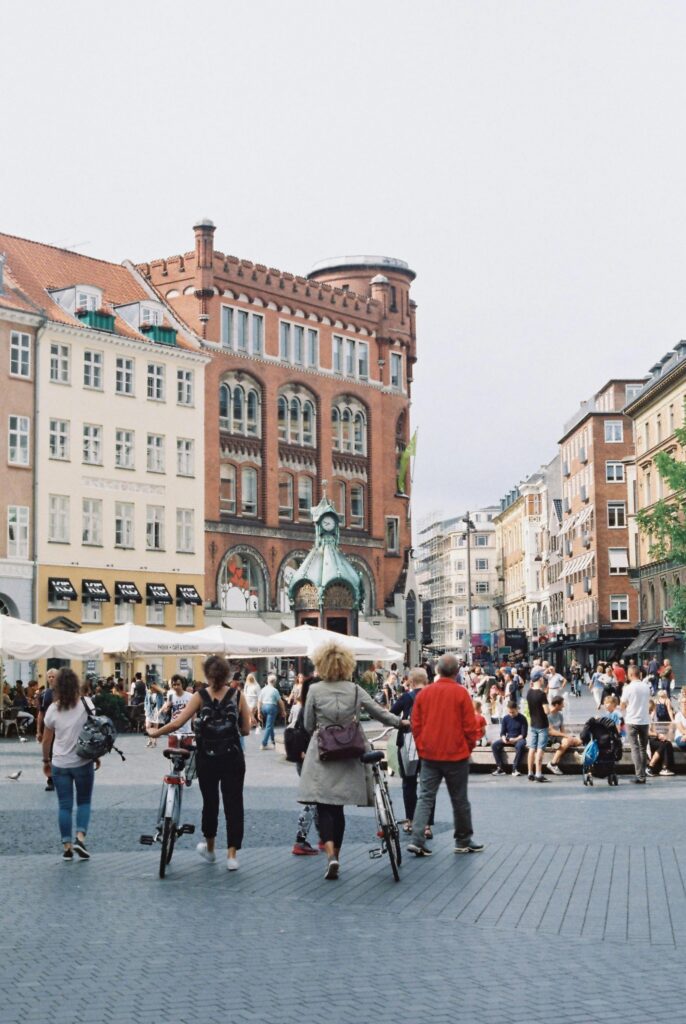
Visitors don’t just see Copenhagen sustainably — they move through it sustainably.
🏨 Hotels are now part of the climate system
Copenhagen’s hospitality industry is increasingly tied into environmental governance.
Many hotels now focus on:
- energy-efficient operations
- food waste reduction systems
- plant-forward dining options
- water conservation technologies
- carbon tracking for guest stays
Some properties even provide guests with:
- sustainability dashboards
- suggestions for low-impact activities
- incentives for green transport use
This creates a subtle but important shift:
hotels are no longer just accommodation — they are climate participants.
🍽️ Food tourism is being re-engineered around sustainability
Copenhagen’s culinary scene — often associated with innovation and fine dining — is also deeply connected to sustainability goals.
Restaurants increasingly prioritize:
- locally sourced ingredients
- seasonal menus
- reduced meat consumption
- zero-waste cooking practices
- regenerative agriculture partnerships
Food tourism is no longer just about taste or prestige.
It is about:
understanding the environmental footprint of what you eat while traveling.
This transforms dining into a form of climate education.
🧠 “Green behavior design” is part of the tourism strategy
One of Copenhagen’s most interesting innovations is behavioral nudging.
Rather than forcing tourists to act sustainably, the city makes sustainable choices:
- easier
- more visible
- more attractive
Examples include:
- seamless public transport systems
- clear cycling navigation signage
- walkable urban design
- accessible green spaces
- pricing structures that favor low-impact mobility
The result is subtle but powerful:
visitors naturally behave in more sustainable ways without being told to.
🌱 Tourism is being measured differently
Traditional tourism metrics focus on:
- visitor numbers
- hotel occupancy rates
- revenue growth
Copenhagen increasingly measures tourism success through:
- carbon emissions per visitor
- transport modal share (bike, walk, public transport vs car)
- local resident satisfaction
- environmental impact of hospitality sector
- seasonality distribution of tourists
This is a fundamental shift in evaluation logic:
success is no longer just growth — it is balance.
🏙️ The city is designed for livability first, tourism second
Unlike many global tourist destinations, Copenhagen does not redesign itself primarily for visitors.
Instead, it focuses on:
- resident quality of life
- clean air policies
- green public spaces
- reduced congestion
- noise reduction
- coastal and climate resilience
Tourism benefits emerge as a byproduct of livability.
This is a key Nordic principle:
what is good for residents is usually good for visitors.
🌊 Climate change is shaping the urgency behind the model
Denmark is highly exposed to climate risks such as:
- rising sea levels
- storm surges
- urban flooding
This has made climate policy not abstract, but practical.
Sustainability in tourism is therefore linked to:
- urban resilience planning
- infrastructure adaptation
- energy independence strategies
- long-term environmental security
Tourism is part of a broader climate survival framework, not just an economic sector.
🌍 The Nordic influence on global tourism thinking
Copenhagen’s model is increasingly studied by:
- European city planners
- Asian urban development agencies
- North American tourism boards
- international hotel groups
The Nordic approach is attractive because it:
- integrates policy with design
- prioritizes long-term sustainability over short-term profit
- aligns tourism with public welfare
- uses infrastructure as behavioral guidance
It is less about branding “green travel” and more about building it into reality.
⚖️ Challenges beneath the green image
Despite its leadership, Copenhagen faces real constraints.
🧳 1. Tourism pressure
As sustainability branding grows, so does visitor demand — which can stress infrastructure.
🏠 2. Housing and urban space competition
Short-term rentals and tourism activity can influence housing availability in central districts.
💸 3. High cost structure
Sustainable infrastructure is expensive, which can affect affordability for visitors.
🌐 4. Replicability issues
Not all cities have:
- strong public transport foundations
- high civic trust
- long-term policy stability
This makes replication of the Copenhagen model difficult at scale.
🔮 What the future of sustainable tourism may look like
Copenhagen points toward a broader transformation in global travel:
1. Carbon-aware travel planning
Tourists may increasingly choose destinations based on emissions impact.
2. Low-impact mobility tourism
Cycling, walking, and rail-based travel will become more dominant in city tourism.
3. Climate-aligned hospitality standards
Hotels may be required to report environmental performance transparently.
4. “Experience efficiency”
Travel may shift toward fewer destinations but deeper, longer stays.
5. Policy-driven tourism ecosystems
Governments will play a larger role in shaping tourism behavior through infrastructure design.
❓ FAQ: Copenhagen and sustainable tourism
1. What makes Copenhagen a leader in sustainable tourism?
Its integration of transport, hospitality, urban planning, and climate policy into a unified sustainability system.
2. Is Copenhagen really a low-carbon city for tourists?
Yes, especially due to its cycling infrastructure, public transport system, and green hospitality practices.
3. How does tourism affect Copenhagen’s environment?
Tourism still has an impact, but the city actively measures and manages emissions and visitor pressure.
4. What role does cycling play in tourism?
Cycling is the primary transport method for both residents and visitors, shaping how the city is experienced.
5. Is sustainable tourism more expensive?
Sometimes yes, particularly in accommodation, but public transport and cycling reduce daily travel costs.
6. Can other cities replicate Copenhagen’s model?
Partially, but success depends on long-term planning, infrastructure investment, and political consistency.
🧭 Final thought
Copenhagen’s tourism model challenges a common assumption in global travel:
that growth and sustainability are always in conflict.
Here, they are being engineered to work together.
The city is not trying to attract tourists despite sustainability goals.
It is attracting tourists because of them.
And that subtle inversion may define the next era of global tourism — where the most desirable destinations are not the most visited, but the most responsibly lived in.
Sources Forbes

