
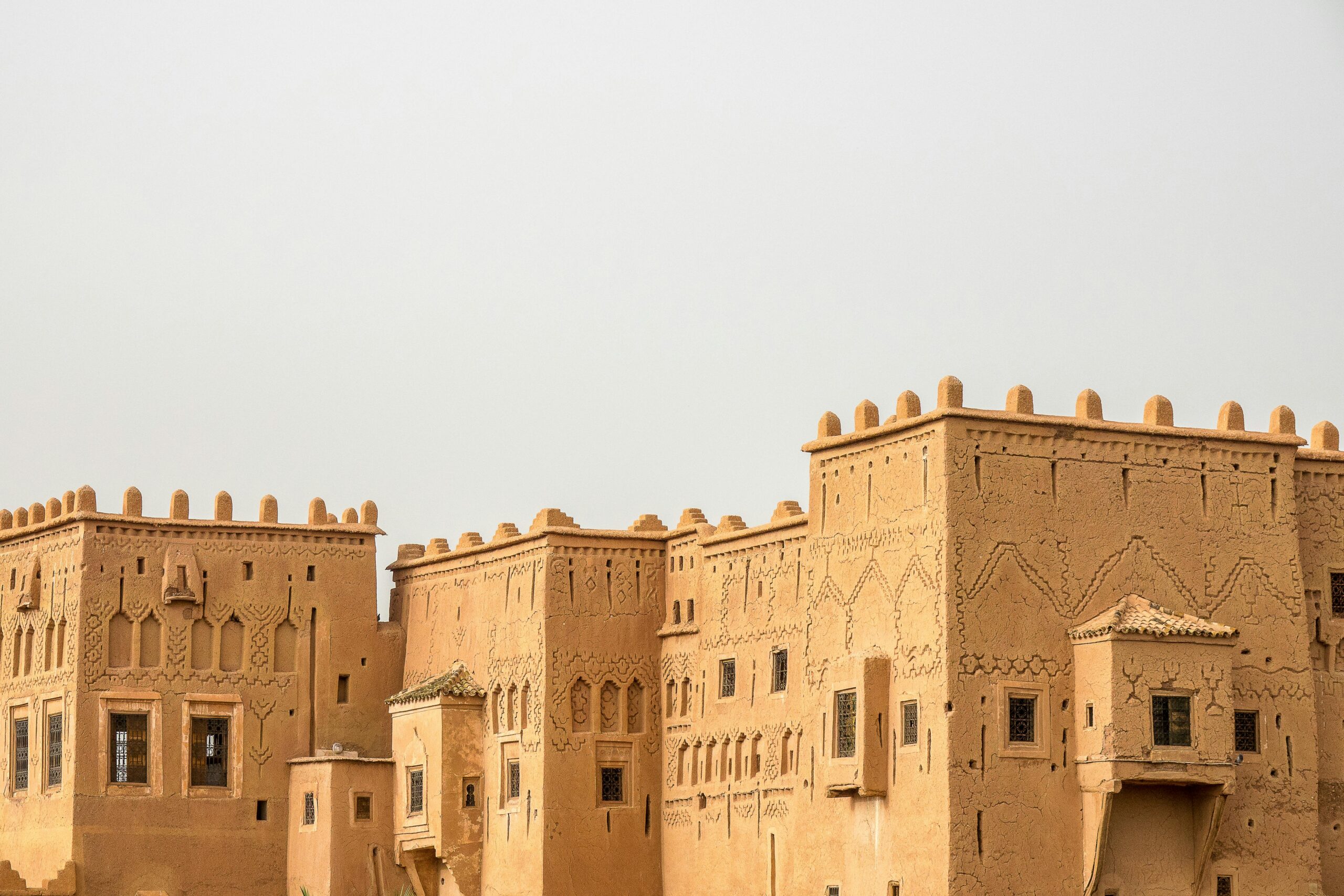
Morocco’s growing effort to promote tourism in Western Sahara is drawing renewed international attention — and criticism.
On the surface, the policy looks straightforward: expand travel, attract investment, and position the southern desert regions as part of Morocco’s tourism economy.
But beneath that strategy lies one of the world’s most enduring territorial disputes, where questions of sovereignty, identity, and international law remain unresolved.
The result is a deeply layered situation where tourism is not just an economic activity — it is also a political statement.
🌍 What Morocco is trying to do
Morocco has been steadily integrating Western Sahara into its national tourism and development strategy for years.
This includes:
- promoting cities like Laayoune and Dakhla as travel destinations
- investing in infrastructure such as airports, roads, and hotels
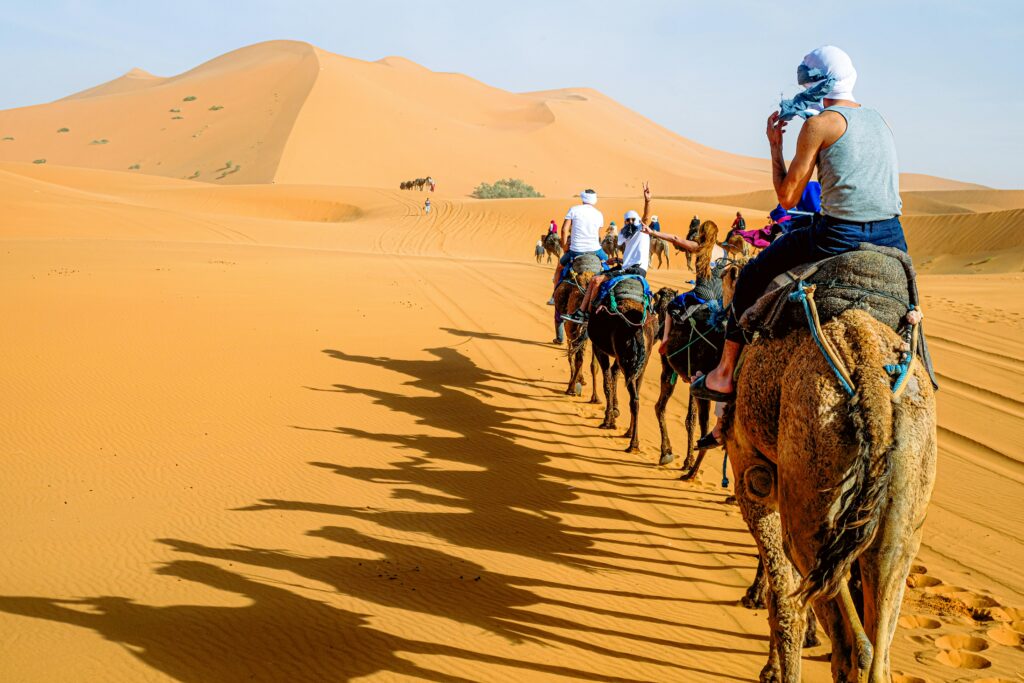
- marketing coastal and desert landscapes for kitesurfing, eco-tourism, and adventure travel
- encouraging international visitors and investment into the region
The message from Moroccan authorities is clear:
Western Sahara is presented as part of Morocco’s “southern provinces,” fully integrated into national development plans.
Tourism becomes part of a broader narrative of normalisation — showing the territory as stable, accessible, and economically active.
🧭 Why Western Sahara is politically sensitive
Western Sahara is classified by the United Nations as a non-self-governing territory. The region has been disputed since Spain withdrew in 1975, triggering conflict between Morocco and the Polisario Front, which seeks independence for the Sahrawi people.
Key facts shaping the dispute:
- Morocco controls roughly 80% of the territory
- The Polisario Front administers parts of the eastern desert area
- A UN-backed ceasefire collapsed in 2020, and tensions have increased since
- The region remains one of the longest-running unresolved territorial conflicts in Africa
International opinion is divided:
- Some countries, including the United States, France, and others, have supported Morocco’s autonomy plan
- Others continue to call for a self-determination referendum for the Sahrawi people
- The United Nations still frames the issue as unresolved and ongoing
This makes any economic or tourism development politically charged by default.
🏖️ Tourism as a tool of state-building
Tourism is not neutral in contested territories. It often becomes a form of “soft power geography.”
In Western Sahara, tourism serves several overlapping functions:
🏗️ 1. Infrastructure normalization
New roads, hotels, and airports help integrate the region economically with Morocco.
📣 2. International visibility
Promoting tourism increases global exposure, shaping how outsiders perceive the territory.
💼 3. Investment attraction
Tourism marketing encourages private capital in hospitality, real estate, and services.
🧭 4. Political signaling
Presenting the region as a tourism destination reinforces Morocco’s claim of sovereignty in practice.
Critics argue that this strategy helps “normalize” control over a disputed territory without resolving its political status.
⚖️ The controversy: development vs. self-determination
Opponents of Morocco’s approach argue that tourism development risks sidelining the question of Sahrawi self-determination.
Key concerns include:
🏜️ 1. International legal ambiguity
Because the UN still classifies the territory as non-self-governing, economic development is seen by some as premature or politically loaded.
🧑🤝🧑 2. Representation of local populations
Critics argue that Sahrawi voices may be underrepresented in decisions about land use, investment, and tourism planning.
🧱 3. Settlement and demographic change
Reports have long noted Moroccan settlement programs in the region, which some analysts say could alter demographic balances over time.
📉 4. Resource and benefit distribution
There are ongoing disputes about how natural resources and tourism revenues are distributed locally.
These concerns fuel the argument that tourism is not just economic development — it is part of a broader geopolitical strategy.
🌊 Why Dakhla has become a tourism focal point
One of the most prominent examples of Morocco’s tourism push is Dakhla, a coastal city in Western Sahara.
It has been developed into a hub for:
- kitesurfing and wind sports
- desert eco-tourism
- luxury coastal resorts
- international sporting events
Its geography — a lagoon meeting the Atlantic and Sahara desert — makes it visually striking and ideal for adventure tourism branding.
But its visibility also makes it politically symbolic.
For Morocco, Dakhla represents:
a success story of development in a previously remote region.
For critics, it represents:
normalization of a disputed territorial status through tourism branding.
🌐 The global geopolitical backdrop
The Western Sahara dispute is no longer isolated — it is embedded in broader international diplomacy.
Recent developments include:
- increased support from some European and African states for Morocco’s autonomy proposal
- ongoing UN discussions about a political settlement framework
- continued opposition from Algeria and the Polisario Front
- renewed international investment interest in the region’s renewable energy and fisheries sectors
At the same time, Western Sahara remains:
one of the most diplomatically sensitive territories in North Africa.
🧠 Tourism as narrative power
Modern tourism is not just about travel — it is about perception.
In Western Sahara, tourism development helps shape three competing narratives:
🟢 Morocco’s narrative:
The region is stable, developing, and integrated into national growth.
🔴 Polisario narrative:
The territory is occupied and its status remains unresolved.
⚪ International institutions’ narrative:
The issue is unresolved and requires negotiation under UN frameworks.
Tourism becomes part of this narrative competition — a visible, everyday expression of geopolitical claims.
🔮 What comes next
Several trends will likely shape the future of tourism in Western Sahara:
1. Increased infrastructure investment
Roads, ports, and airports will continue to expand connectivity.
2. Growth in niche tourism
Adventure tourism, surfing, and desert travel will likely expand further.
3. Ongoing diplomatic pressure
International actors may continue debating how development aligns with unresolved legal status.
4. Heightened scrutiny
Human rights groups and advocacy organizations are likely to keep monitoring tourism-linked development.
❓ FAQ: Morocco, tourism, and Western Sahara
1. What is Western Sahara’s political status?
It is a UN-listed non-self-governing territory, with its status still unresolved.
2. Why is Morocco promoting tourism there?
Morocco views the region as part of its national territory and is investing in tourism to support development and economic growth.
3. Why is this controversial?
Because some international actors and the Polisario Front argue that the territory’s final status has not been decided.
4. What is Dakhla known for?
It is a major destination for kitesurfing, desert tourism, and coastal eco-tourism.
5. Is tourism common in Western Sahara?
Yes, especially in Moroccan-controlled areas, though it remains politically sensitive.
6. What does the UN say?
The UN considers Western Sahara a non-self-governing territory and continues to call for a negotiated political solution.
🧭 Final thought
Tourism usually feels like escape — beaches, deserts, open horizons.
But in Western Sahara, tourism is also something else entirely.
It is a tool of visibility, a driver of development, and a marker of competing political claims.
And that makes every hotel, every airport, and every travel campaign more than just infrastructure.
It makes them part of a much larger question:
not just who visits the land — but who the world understands it belongs to.
Sources BBC

