
After nearly a century since its original publication, one of Italy’s most iconic and influential cookbooks — The Talisman of Happiness (Il Talismano della Felicità) by Ada Boni — has at long last been made fully accessible to English‑language readers. This milestone marks not just the translation of recipes, but a cultural bridge connecting generations of Italian cooks with the wider world of food lovers, home chefs, and culinary historians.
A Cookbook That Shaped Italian Kitchens
Originally published in 1929, Il Talismano della Felicità quickly became a staple in Italian households, often gifted to newlyweds and young cooks alike as a foundational culinary resource. For decades, it was considered essential reading for home cooks learning the art and techniques of regional Italian cuisine — from pasta and soups to roasts and desserts. Its status in Italy has been compared to classic American anthologies like The Joy of Cooking, yet it predates that work by several years and reflects Italy’s rich diversity of regional food traditions.
Unlike many modern cookbooks that rely on precise measurements and step‑by‑step photography, Boni’s work is valued for its practical simplicity and intuitive approach — a quality that speaks directly to the way many Italians learn to cook at home. Recipes provide basic ingredient lists and straightforward directions, often leaving room for interpretation and personalization.
The Journey to a Complete English Edition
Although portions of The Talisman of Happiness were previously adapted into English in the mid‑20th century (including an abridged 1950 edition tailored to American kitchens), no full, faithful translation existed — until now. Recent efforts have culminated in a complete English edition featuring nearly 1,700 recipes, staying as true as possible to the original content while making it accessible to modern readers.
The book’s translation was years in the making. Publisher Michael Szczerban pursued rights to the work for more than a decade, consulting Italian archives, translators, and culinary experts to ensure authenticity. Translators preserved the original structure and tone of Boni’s writing, excluding only recipes that were genuinely outdated or impractical for contemporary kitchens, as well as a handful of antiquated etiquette notes. The 1959 Italian edition served as the primary model for this comprehensive version.
According to reports, this process involved extensive research and coordination across countries to secure the necessary publishing rights and assemble a team capable of rendering Italian culinary language into natural, usable English — a project that reflects both historical reverence and modern editorial care.
Who Was Ada Boni?
Ada Boni (1891–1973) was a pioneering figure in Italian food writing. Beginning her career as editor of a women’s magazine before publishing Il Talismano della Felicità, she was among the first to document and codify home cooking traditions from across Italy in a single accessible volume. Over time, the cookbook became the go‑to reference for classic Italian dishes, deeply rooted in regional practices but presented in a way that could be used by everyday cooks in Italian homes.
The book’s enduring popularity in Italy is reflected in its long publishing history: it has never gone out of print there and has been revised and expanded over the decades, selling more than a million copies. Its recipes span antipasti, soups, pastas, meats, vegetables, breads, desserts, and more — providing a broad introduction to Italy’s culinary heritage.
Why This Translation Matters
1. Culinary Heritage Preserved
Italian cuisine is far more than pizza and pasta; it is a mosaic of regional traditions, techniques, and seasonal ingredients. This translation invites English‑speaking cooks to explore that richness from a native perspective — straight from one of the most influential culinary voices of the 20th century.
2. A Teaching Tool for Home Cooks
Unlike many modern cookbooks built for spectacle, The Talisman of Happiness is written for use in the kitchen. Its intuitive language teaches how to think like a cook rather than simply follow instructions, mirroring the authentic way many Italians learn to cook: by feel, taste, and understanding of ingredients.
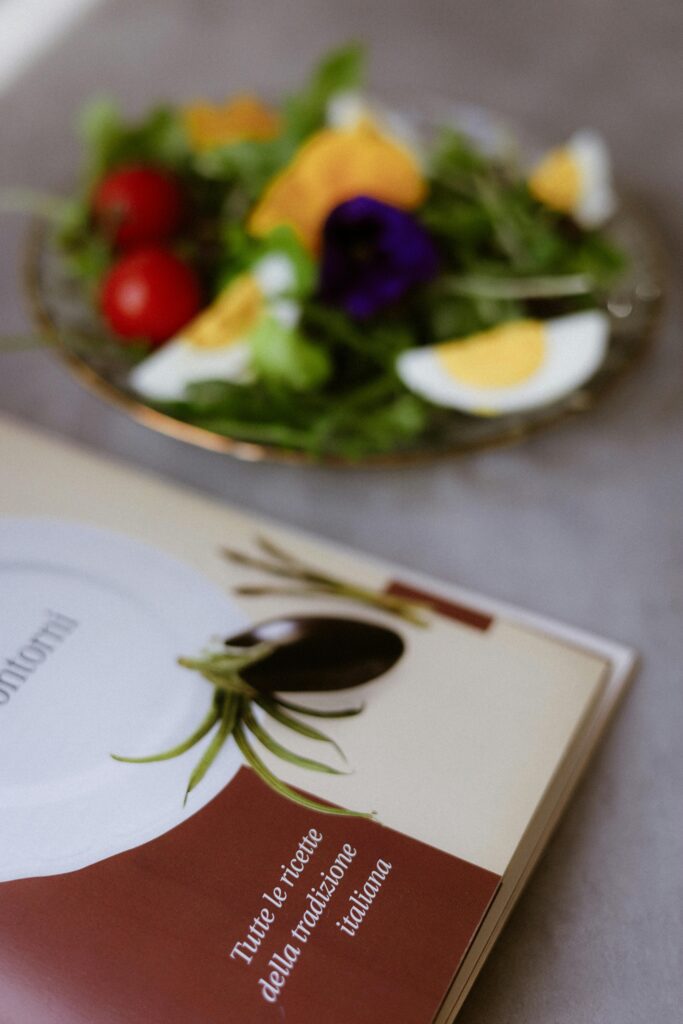
3. Cultural Context
Food often reflects history and identity. This translation introduces readers not just to recipes, but to the Italian approach to food as a cultural practice rooted in family, community, and celebration.
4. A Touchstone for Chefs and Food Historians
For professionals and scholars alike, the complete edition offers a primary document of historic Italian culinary practice, providing insights into techniques and dishes that have shaped global perceptions of Italian cooking.
Comparing With Other Italian Classics
While The Talisman of Happiness is now the first fully translated classic of its kind, it joins a broader canon of influential Italian cookbooks that have shaped global culinary understanding. For example, Il Cucchiaio d’Argento (The Silver Spoon) remains one of the most comprehensive Italian cookbooks with over 2,000 recipes, though it has long been available in English and often celebrated for its modern editorial style. Other classics in the Italian culinary world include works by Marcella Hazan, whose books introduced generations of Americans to traditional techniques and regional Italian dishes.
Frequently Asked Questions (FAQs)
1. What is The Talisman of Happiness?
It is a seminal Italian cookbook by Ada Boni, first published in 1929, and considered a foundational text for home cooking in Italy. It includes hundreds of recipes that reflect traditional Italian cuisine across regions.
2. Why was it significant that this book finally got a full English translation?
Although parts were adapted previously, this is the first complete translation faithful to the original Italian editions. It makes a critical historic and practical culinary resource available to English‑speaking cooks and food scholars.
3. How many recipes are in the complete English edition?
The new edition includes nearly 1,700 recipes, covering a wide spectrum of classic Italian dishes.
4. How does Boni’s style differ from modern cookbooks?
Boni’s recipes emphasize simplicity and intuition, relying on experience and understanding of ingredients rather than exact measurements or highly technical instructions — a style that reflects traditional home cooking rather than contemporary culinary science.
5. Who might benefit most from this book?
Home cooks eager to explore traditional Italian cooking, culinary students, chefs interested in historic methods, and anyone curious about authentic regional Italian cuisine will find this translation both inspiring and practical.
Conclusion
The full English translation of The Talisman of Happiness is a landmark in culinary literature, joining the ranks of other classic Italian cooking references while preserving a voice that has shaped how Italians cook at home for generations. It invites readers not only to taste but to understand Italian cuisine at its roots — with an emphasis on joy, simplicity, and the timeless connection between food and happiness.
Sources NPR

