
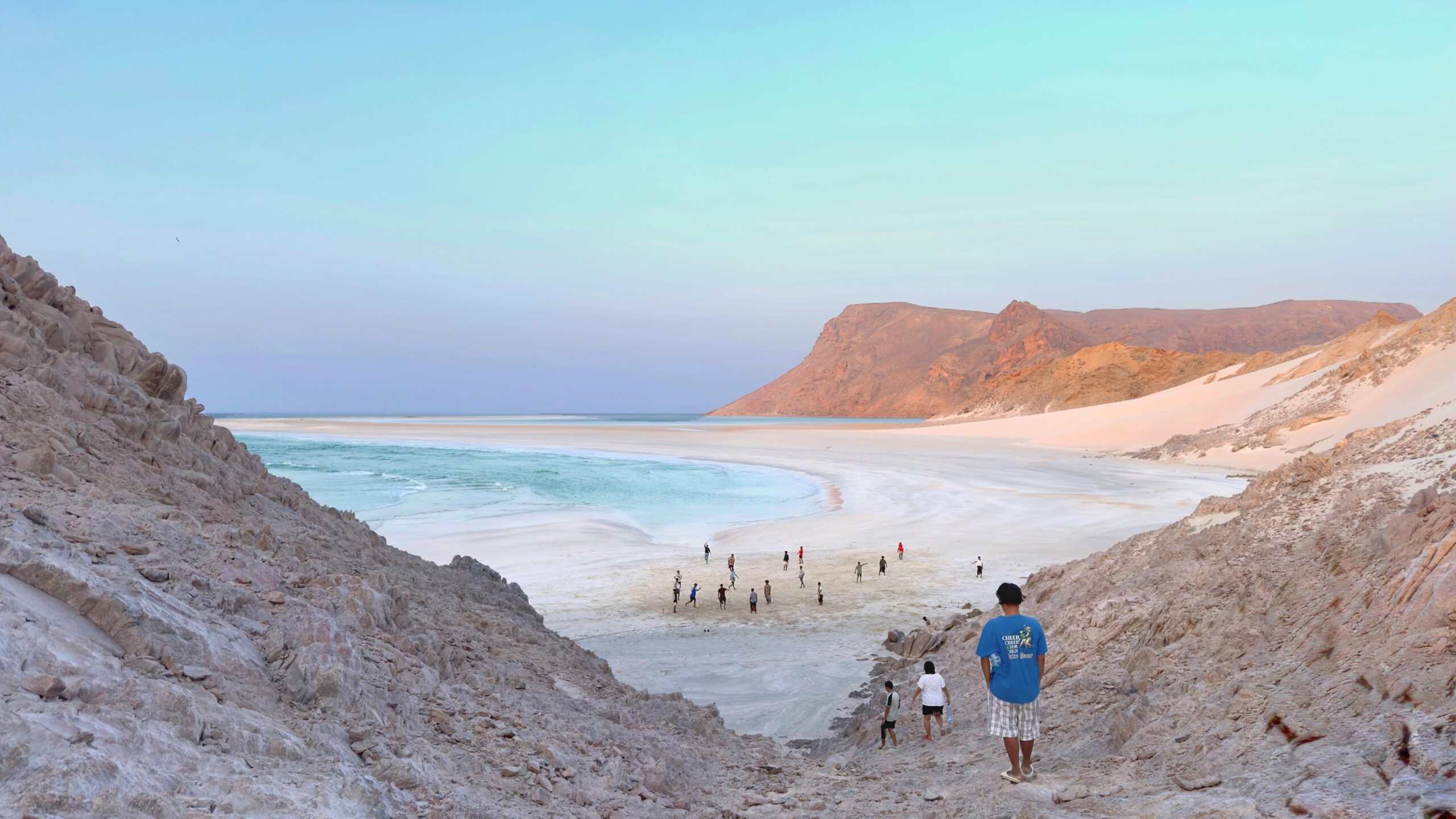
When reports emerged that foreign tourists—including American citizens—were stranded on Socotra Island, a remote Yemeni archipelago in the Arabian Sea, the story quickly captured international attention. The incident highlighted not only the logistical challenges of traveling to isolated destinations, but also the complex realities of tourism in politically fragile regions.
Socotra is often described as one of the most alien-looking places on Earth, famed for its dragon blood trees, endemic wildlife, and stark landscapes. Yet its beauty exists alongside Yemen’s ongoing instability—making the incident a cautionary tale about the risks of travel to conflict-affected areas, even when violence is not immediately visible.
Where Is Socotra—and Why Do Tourists Go There?
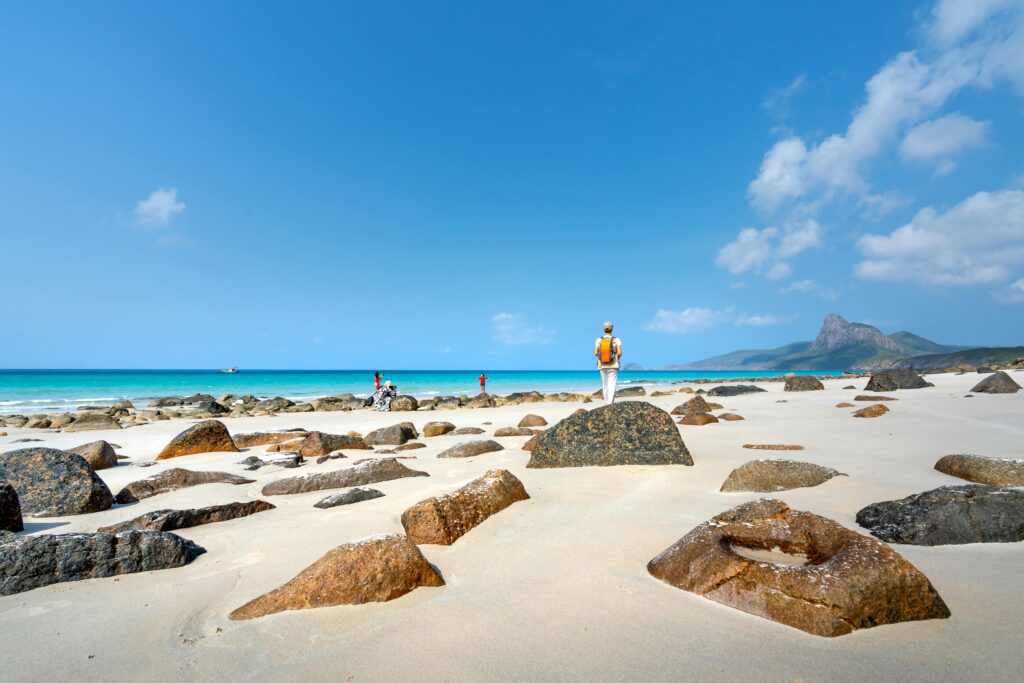
Socotra is a Yemeni island chain located closer to the Horn of Africa than mainland Yemen. It has gained global recognition for:
- Unique biodiversity, with many species found nowhere else
- UNESCO World Heritage status
- Pristine beaches and dramatic landscapes
- Reputation as a “last untouched paradise”
In recent years, Socotra has become a destination for adventure and eco-tourism, attracting travelers seeking remote, Instagram-famous locations far from mass tourism.
What Happened: How Tourists Became Stranded
The group of foreign tourists became stranded due to transport disruptions, reportedly linked to:
- Weather conditions affecting flights and sea travel
- Limited commercial infrastructure
- Regional security complications
- Dependence on infrequent charter or military-linked flights
Socotra has no robust commercial airline network, and access often relies on irregular routes that can be suspended with little notice.
Once stranded, tourists faced uncertainty about:
- How long they would remain on the island
- Whether evacuation would be possible
- What role foreign governments could play
The Broader Context: Yemen’s Conflict and Fragmentation
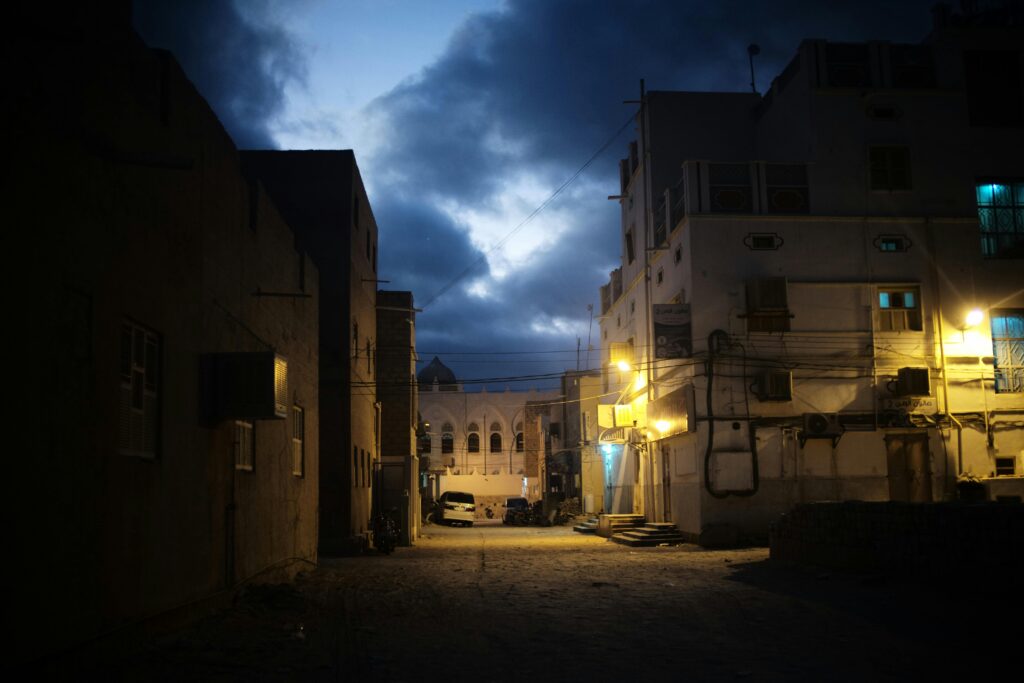
Although Socotra has been largely spared from direct fighting, it exists within the broader context of Yemen’s prolonged civil war and political fragmentation.
Key factors include:
- Weak central governance
- Competing regional authorities
- Limited diplomatic presence
- Ongoing humanitarian crises on the mainland
These conditions complicate consular assistance, evacuation planning, and emergency response for foreign nationals.
Consular Limits and Government Responsibility
One of the most misunderstood aspects of such incidents is what governments can—and cannot—do.
What Governments Can Do
- Provide information and guidance
- Coordinate with local authorities where possible
- Facilitate evacuation logistics if conditions allow
What Governments Cannot Guarantee
- Immediate rescue from remote or unsafe locations
- Protection in areas without diplomatic presence
- Travel safety in countries under “do not travel” advisories
Many travelers underestimate these limits when visiting high-risk destinations.
The Rise of “Extreme” and High-Risk Tourism
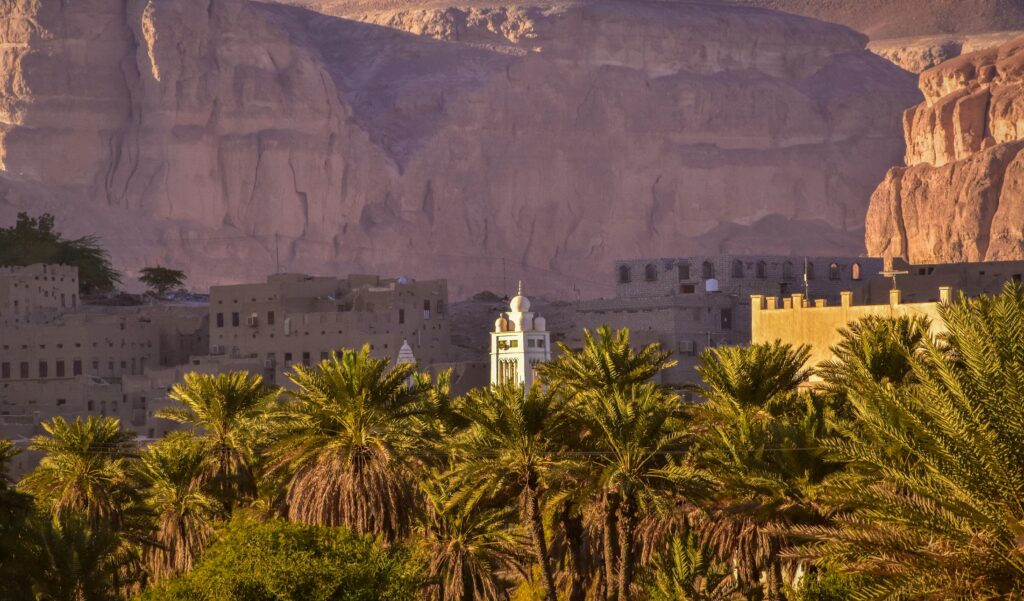
The Socotra incident reflects a growing trend:
- Travelers seeking remote, politically complex destinations
- Social media-driven exploration
- Tour operators marketing “safe access” to risky regions
While these trips can be transformative, they also carry non-traditional risks, including:
- Political instability without visible warning signs
- Sudden border or airspace closures
- Limited emergency services
Ethical and Humanitarian Considerations
Tourism in fragile regions raises ethical questions:
- Does tourism support local communities—or expose them to risk?
- Are travelers diverting limited local resources during emergencies?
- How should safety responsibility be shared between travelers and tour operators?
In places like Yemen, where humanitarian needs remain acute, these questions are particularly sensitive.
Lessons for Travelers
The Socotra incident underscores several key lessons:
- Travel advisories matter—even if a destination appears calm
- Remoteness magnifies small disruptions into major crises
- Insurance and evacuation planning are essential
- Tour operator assurances are not substitutes for geopolitical reality
Responsible travel requires not just curiosity, but preparation and realism.
What Happens Next for Socotra Tourism?
The incident may have lasting effects:
- Increased scrutiny of tour operators
- Reduced foreign tourism in the short term
- Tighter regulations or access restrictions
- Greater awareness of Socotra’s vulnerability
At the same time, it could prompt conversations about sustainable, safe tourism models that prioritize local resilience over rapid exposure.
Frequently Asked Questions (FAQs)
Where is Socotra Island located?
Socotra is a Yemeni archipelago in the Arabian Sea, east of mainland Yemen and south of Oman.
Why were tourists stranded there?
They were affected by transportation disruptions and limited exit options from the island.
Is Socotra safe to visit?
While relatively peaceful, Socotra is part of Yemen, a country under severe travel warnings due to conflict and instability.
Why do people travel to high-risk destinations?
Many seek unique experiences, untouched landscapes, or cultural immersion beyond mainstream tourism.
Can governments rescue stranded tourists anywhere?
No. Consular assistance is limited by security conditions, access, and diplomatic presence.
Should tour operators be held responsible?
Tour operators have a duty to inform clients of risks, but responsibility is shared with travelers who choose to go.
Will tourism to Socotra continue?
Likely at a reduced and more cautious pace, depending on security, infrastructure, and international perception.
Conclusion
The stranding of foreign tourists on Socotra Island is more than an isolated travel mishap—it is a window into the realities of modern travel in a fragmented world. As adventurous tourism expands into politically unstable regions, the gap between perceived and actual risk grows wider.
Socotra remains a place of extraordinary natural beauty, but the incident serves as a reminder that no destination exists outside global politics. For travelers, tour operators, and governments alike, the lesson is clear: remote beauty does not equal safety—and preparation is not optional.
Sources CNN

