
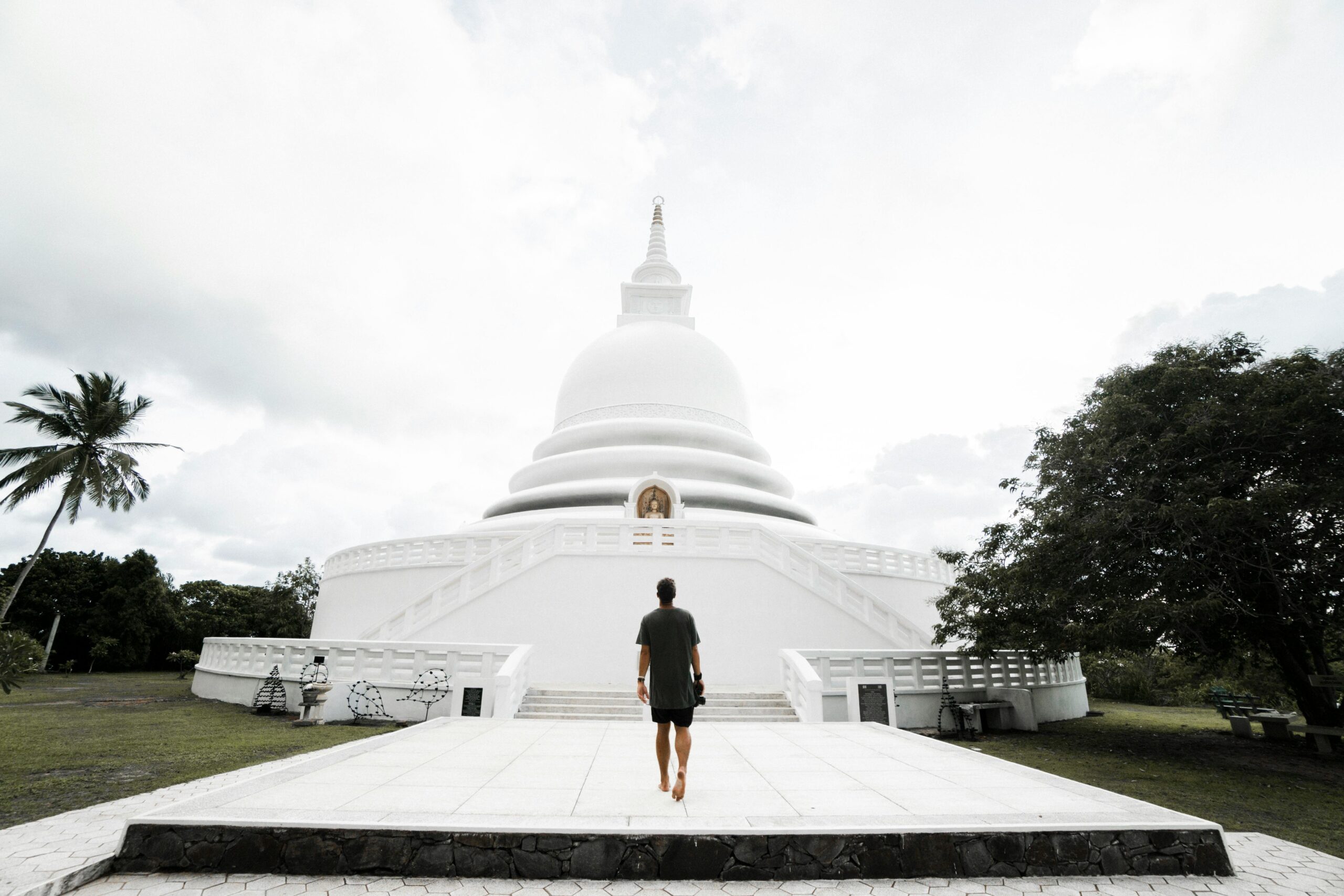
Sri Lanka has set an ambitious target of welcoming 3 million tourists as it works to recover from the impact of a recent cyclone and stabilize an economy still emerging from crisis. Tourism, one of the country’s most important sources of foreign exchange, sits at the heart of this strategy. Yet the challenge is twofold: restoring damaged infrastructure while convincing the world that Sri Lanka remains a safe, resilient, and rewarding destination.
The country’s push highlights how climate resilience, economic recovery, and tourism strategy are increasingly inseparable in vulnerable island nations.
Tourism’s Central Role in Sri Lanka’s Economy
Tourism has long been a pillar of Sri Lanka’s economy, supporting:
- Foreign currency earnings
- Employment across hospitality, transport, and retail
- Small businesses and informal workers
- Regional development beyond major cities
After years of setbacks—including the pandemic, political instability, and debt crisis—tourism has become a critical lever for economic recovery and fiscal stability.
Cyclone Impact: Damage Beyond the Headlines
The recent cyclone caused:
- Flooding and landslides in coastal and inland areas
- Damage to roads, bridges, and utilities
- Disruptions to hotels, guesthouses, and transport services
- Loss of livelihoods for tourism-dependent communities
While major tourist hubs recovered relatively quickly, smaller towns and rural areas continue to face rebuilding challenges that are less visible to international audiences.
Why the 3 Million Tourist Target Matters
Foreign Exchange and Debt Pressures
Sri Lanka continues to face tight foreign currency conditions. Tourism revenue is vital for:
- Importing fuel, food, and medicine
- Supporting debt restructuring efforts
- Stabilizing the national currency
Hitting the 3 million mark would signal confidence to investors and lenders.
Employment Recovery
Tourism supports hundreds of thousands of jobs, many of which were lost or disrupted during recent crises. A strong visitor rebound helps restore income across the economy.
How Sri Lanka Plans to Reach Its Tourism Goals
Infrastructure Repair and Climate Resilience
Authorities are prioritizing:
- Rapid repair of transport links
- Strengthening flood defenses
- Climate-resilient construction standards
Long-term planning increasingly recognizes that extreme weather events are no longer rare exceptions.
Marketing and Destination Branding
Sri Lanka is renewing global marketing efforts by emphasizing:
- Cultural heritage and biodiversity
- Wellness, eco-tourism, and adventure travel
- Competitive pricing compared to regional destinations
Reassuring travelers about safety and readiness is a key part of these campaigns.
Air Connectivity and Access
Improving flight connectivity, visa processes, and airport efficiency is central to increasing arrivals, particularly from Asia, Europe, and the Middle East.
Balancing Growth With Sustainability
While visitor growth is essential, it brings risks:
- Environmental strain on beaches and wildlife areas
- Overcrowding at heritage sites
- Pressure on water and waste systems
Sri Lanka faces the challenge of ensuring that tourism growth does not undermine the natural and cultural assets that attract visitors in the first place.
Community-Level Recovery and Inclusion
Tourism recovery is uneven. Large hotels often rebound faster than:
- Small guesthouses
- Local tour operators
- Artisans and informal vendors
Inclusive recovery efforts—such as microfinance, skills training, and community-based tourism—are essential to spread benefits more equitably.
Climate Change and the Future of Tourism
The cyclone underscores a larger reality: climate change is reshaping tourism risk. For Sri Lanka, this means:
- More frequent extreme weather events
- Higher insurance and maintenance costs
- Greater need for early warning systems
Tourism strategy must now integrate disaster preparedness as a core component, not an afterthought.
Risks and Uncertainties Ahead
Despite optimism, challenges remain:
- Global economic uncertainty affecting travel demand
- Rising operational costs for businesses
- Competition from other Asian destinations
- Ongoing vulnerability to climate shocks
Meeting tourism targets will require coordination across government, private sector, and communities.
Frequently Asked Questions (FAQs)
Why is Sri Lanka targeting 3 million tourists?
Tourism is crucial for foreign exchange earnings, job creation, and economic recovery after multiple crises.
Did the cyclone significantly affect tourism?
Yes. It caused infrastructure damage and disrupted livelihoods, particularly in smaller and rural tourism areas.
Is Sri Lanka safe to visit after the cyclone?
Major tourist areas have reopened, and repairs are ongoing. Travelers are advised to check local conditions.
How important is tourism to Sri Lanka’s economy?
Tourism is one of the country’s top sources of foreign income and employment.
What steps is Sri Lanka taking to rebuild?
Infrastructure repairs, climate resilience measures, marketing campaigns, and improved connectivity are key priorities.
How does climate change affect Sri Lanka’s tourism plans?
More frequent extreme weather makes resilience, preparedness, and sustainable planning essential.
Can Sri Lanka balance growth with sustainability?
It will require careful planning, environmental protection, and inclusive policies to ensure long-term benefits.
Conclusion
Sri Lanka’s goal of attracting 3 million tourists is both ambitious and necessary. As the country rebuilds from cyclone damage and navigates ongoing economic pressures, tourism offers a pathway toward recovery—but only if growth is resilient, inclusive, and sustainable.
The success of this strategy will not be measured solely by arrival numbers, but by how well Sri Lanka protects its communities, environment, and future in an era of increasing climate uncertainty.
Sources Reuters

