
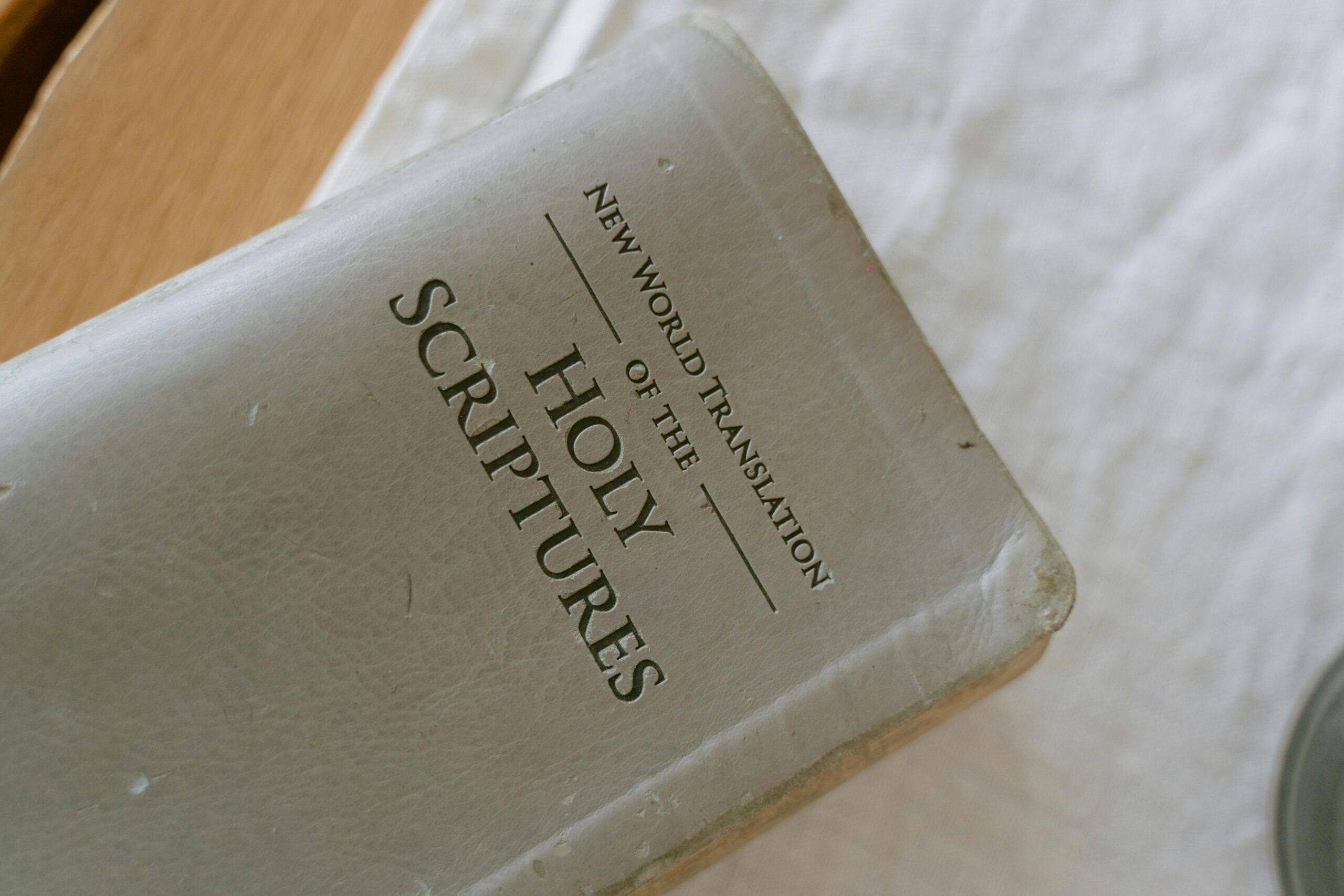
A quiet but extraordinary race is underway. Linguists, missionaries, technologists, and local communities across the world are working toward an ambitious goal: translating the Bible into every living language by the year 2033. The target date marks 2,000 years since the traditional timeline of Jesus’s crucifixion — a symbolic milestone driving one of the largest coordinated translation efforts in human history.
While recent reporting outlines the scope of this mission, the deeper story spans technology, endangered languages, ethics, colonial history, artificial intelligence, and cultural preservation. This expanded article explores what this race really means — not just for religion, but for the future of language itself.

1. Why 2033 Matters — and Why Translation Has Become Urgent
The 2033 deadline is symbolic, but the urgency is real.
Today:
- roughly 7,000 languages are spoken worldwide
- over 3,000 still lack a complete Bible translation
- nearly half of all languages are endangered
- many languages may disappear within a generation
For translation organizations, this means the window is closing. If translation doesn’t happen soon, some languages may vanish before written records exist.
In many cases, Bible translation is the first time a language is ever written down.
2. Who Is Leading the Global Translation Effort
Several organizations are at the forefront:
- Wycliffe Bible Translators
- SIL Global
- United Bible Societies
- regional church networks
- indigenous language committees
These groups increasingly collaborate rather than compete, sharing linguistic data, tools, and training resources.
What sets this era apart is scale and coordination — and the use of advanced technology.
3. How Bible Translation Actually Works (Beyond the Headlines)
Translation is far more complex than converting words.
Step 1: Language Documentation
Many target languages:
- have no writing system
- exist only orally
- vary by village or clan
Linguists must first:
- create alphabets
- record phonetics
- standardize grammar
- build dictionaries
Step 2: Cultural Concept Mapping
Biblical concepts often don’t exist in the target culture:
- shepherds
- kings
- temples
- vineyards
- snow
- coins
Translators must find equivalent meanings, not literal words.
Step 3: Community Review
Local speakers test translations through:
- group readings
- oral storytelling
- feedback sessions
Accuracy is judged by clarity and meaning, not theological precision alone.
Step 4: Literacy and Education
Many translation projects also include:
- literacy training
- school materials
- audio recordings
- radio broadcasts
Translation often transforms education and civic life.
4. What the Original Coverage Didn’t Fully Explore
A. AI Is Accelerating Translation — but Not Replacing Humans
Artificial intelligence now:
- speeds up draft translation
- identifies linguistic patterns
- assists with consistency
- reduces years of work
But AI cannot:
- understand cultural nuance
- judge metaphor relevance
- handle oral-only traditions
- navigate sensitive belief systems
Human translators — especially native speakers — remain essential.
B. Translation Is Also Cultural Preservation
When a language is written:
- oral histories are preserved
- cultural identity is strengthened
- political recognition becomes easier
- younger generations gain pride in heritage
Even non-religious linguists acknowledge that Bible translation has preserved hundreds of languages that might otherwise be lost.

C. Ethical Debates Are Intensifying
Critics argue that:
- religious translation can resemble cultural intrusion
- missionary work carries colonial baggage
- dominant belief systems may overshadow indigenous traditions
Supporters counter that:
- translation is community-driven
- participation is voluntary
- language preservation benefits everyone
Modern projects emphasize local leadership, not external control.
D. Oral Translation Is Becoming Central
Many communities prefer:
- spoken scripture
- audio storytelling
- dramatized recordings
This challenges Western assumptions that written text is the ultimate goal.
E. Translation Shapes Theology
How words are translated influences:
- moral interpretation
- social norms
- gender roles
- power structures
Translation is never neutral — and teams increasingly acknowledge this responsibility.
5. Why This Effort Extends Beyond Christianity
Even for non-Christians, the project matters because it:
- documents endangered languages
- advances linguistic science
- creates digital language datasets
- improves translation tools
- supports literacy
- preserves cultural diversity
Bible translation has historically produced:
- the first grammars
- the first dictionaries
- the first printed texts
in hundreds of languages.
6. Can the 2033 Goal Actually Be Reached?
Optimists say yes — cautiously.
Factors helping the effort:
- AI-assisted translation
- cloud collaboration
- global funding networks
- improved training of local linguists
- open-source linguistic databases
Factors slowing it down:
- political instability
- climate displacement
- language extinction
- funding gaps
- ethical disputes
- logistical challenges in remote regions
Many experts believe the goal may shift from “complete Bible” to “meaningful access” — including audio and partial translations.
Frequently Asked Questions
Q1: How many languages still lack a Bible translation?
Thousands. While most major languages are covered, many minority and endangered languages are not.
Q2: Why focus on the Bible specifically?
The Bible is one of the most translated texts in history and serves as a driver for language documentation and literacy.
Q3: Is this effort religious or linguistic?
Both. It is faith-driven but produces significant linguistic and cultural preservation benefits.
Q4: Are local communities involved?
Yes. Modern translation projects prioritize local leadership and consent.
Q5: Does AI replace human translators?
No. AI accelerates work but cannot replace cultural understanding or community judgment.
Q6: What happens if a language disappears before translation is complete?
In many cases, translation work becomes the only remaining record of that language.
Q7: Are other religious texts being translated similarly?
Yes, but no project matches the Bible’s global scale or coordination.
Q8: Is oral translation considered “complete”?
Increasingly, yes. Many communities prefer spoken over written scripture.
Q9: What is the biggest challenge ahead?
Time. Languages are disappearing faster than they can be documented.
Final Thoughts
The race to translate the Bible into every language by 2033 is not just a religious milestone — it is a human one. It sits at the intersection of faith, technology, ethics, and cultural survival.
Whether one views it as spiritual mission or linguistic preservation, the effort underscores a profound truth:
Every language carries a unique way of seeing the world — and once lost, it can never be fully recovered.
In that sense, this race is not merely about translation.
It is about remembering humanity in all its voices.

Sources The Economist

