
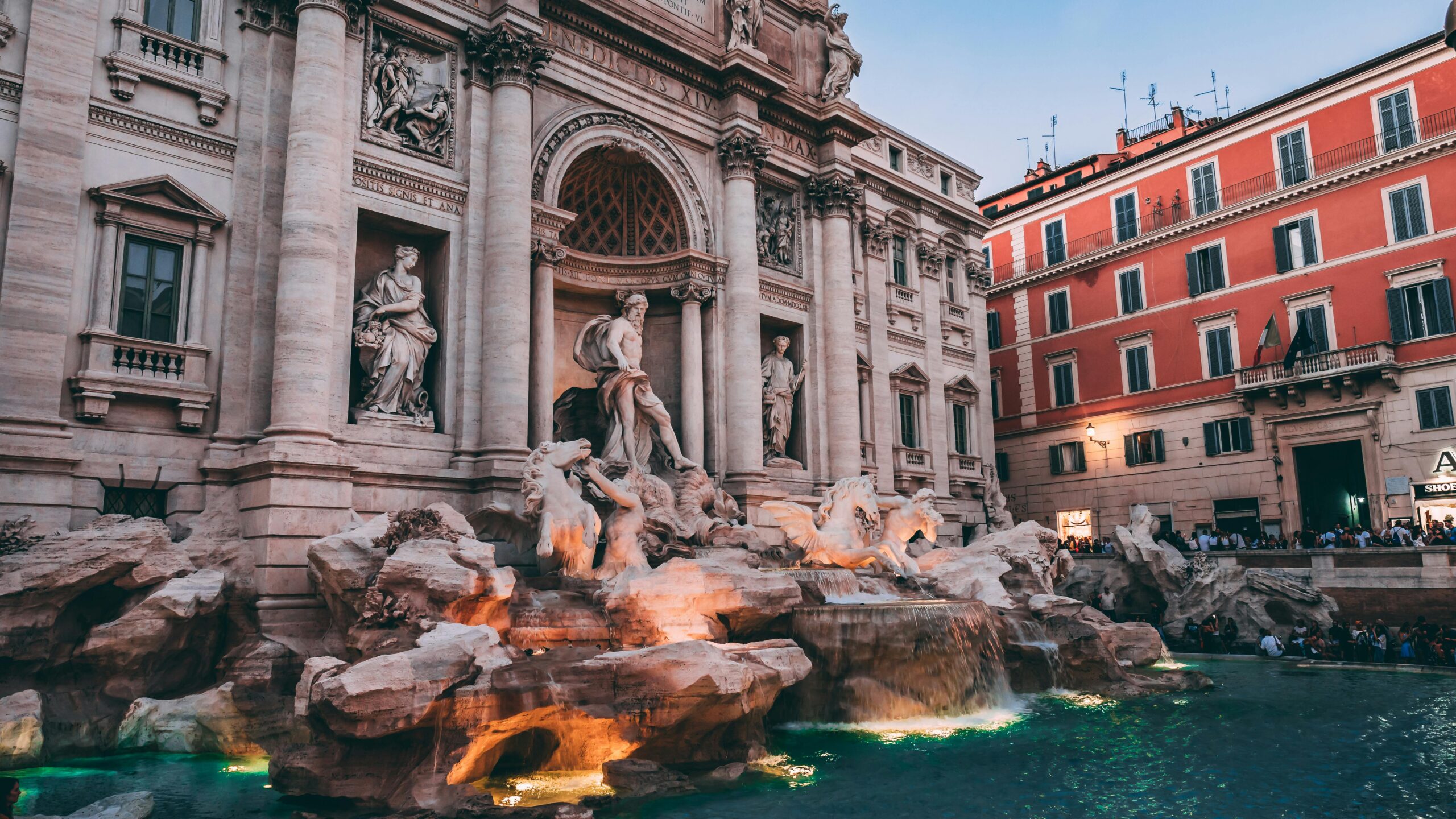
Rome’s Trevi Fountain is one of the most visited landmarks in the world—an enduring symbol of the Eternal City and a magnet for millions of tourists each year. In a move that has sparked global debate, city authorities have announced plans to introduce charges for tourists to access the Trevi Fountain area, aiming to protect the historic monument while managing overwhelming visitor numbers.
The decision reflects a growing challenge facing heritage cities worldwide: how to balance public access to iconic landmarks with preservation, livability, and sustainability.
Why the Trevi Fountain Needed Intervention
Overtourism at an Iconic Site
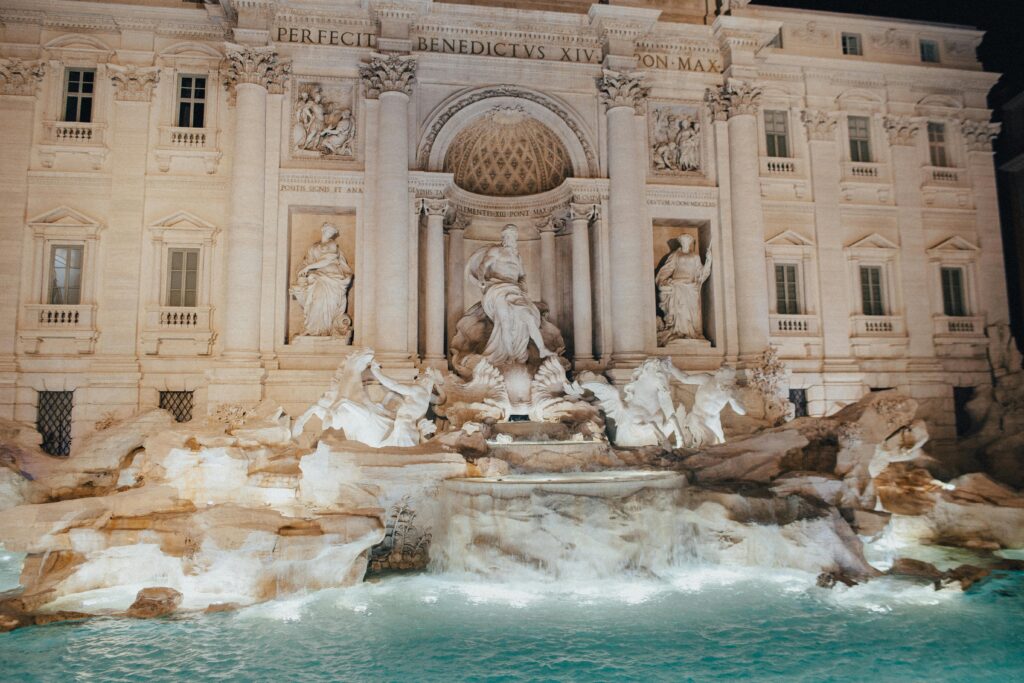
The Trevi Fountain attracts an estimated 10–12 million visitors annually, often resulting in:
- Severe overcrowding, especially during peak seasons
- Physical wear to surrounding stonework
- Strain on cleaning, security, and maintenance services
- Reduced quality of experience for visitors and locals alike
The narrow piazza surrounding the fountain was never designed to handle modern tourism volumes.
Preservation and Safety Concerns
Large crowds increase risks of:
- Damage to historic surfaces
- Vandalism and theft
- Public safety incidents
Authorities argue that controlled access is necessary to ensure the fountain’s long-term survival.
What the New Charges Are Expected to Do
Funding Conservation Efforts
Revenue from ticketing is intended to:
- Support restoration and ongoing maintenance
- Improve crowd management infrastructure
- Fund cleaning and security operations
Coins thrown into the fountain—traditionally collected for charity—will continue to be handled separately from entry fees.
Managing Visitor Flow
Charging for access may:
- Reduce overcrowding during peak hours
- Encourage timed entry systems
- Improve the visitor experience
This approach mirrors strategies already in place at major museums and archaeological sites.
Who Will Have to Pay—and Who Won’t
While details may evolve, current proposals suggest:
- Tourists would pay a small fee to access the immediate fountain area
- Residents of Rome would retain free access
- Certain exemptions may apply for children, students, or guided groups
The goal is to regulate tourism, not restrict local life.
Public Reaction: Preservation vs. Access
Supporters’ View
Proponents argue that:
- Free access has become unsustainable
- Tourism must contribute financially to preservation
- Controlled entry respects heritage rather than commodifying it
They point out that Rome already struggles with maintenance costs far exceeding public budgets.
Critics’ Concerns
Opponents worry that:
- Charging creates a “pay-to-see” city
- Cultural heritage should remain universally accessible
- Slippery slopes could lead to fees at more public landmarks
The debate reflects deeper tensions about who cities are for—residents, tourists, or both.
A Global Trend in Heritage Management
Rome’s decision is not unique. Cities and heritage sites worldwide are experimenting with:
- Tourist taxes
- Timed-entry systems
- Reservation-only access
- Caps on daily visitors
From Venice’s day-tripper fee to controlled access at popular natural parks, governments are increasingly treating tourism as something that must be actively managed.
Economic Implications for Rome
Tourism Revenue vs. Tourism Pressure
Tourism is vital to Rome’s economy, but unmanaged tourism creates:
- Rising public costs
- Quality-of-life issues for residents
- Long-term damage to cultural assets
Charging modest fees aims to shift tourism toward a more sustainable economic model.
Impact on Local Businesses
While some businesses fear reduced foot traffic, others anticipate:
- More pleasant visitor experiences
- Longer stays rather than rushed visits
- Higher-quality tourism overall
Cultural Meaning of the Trevi Fountain
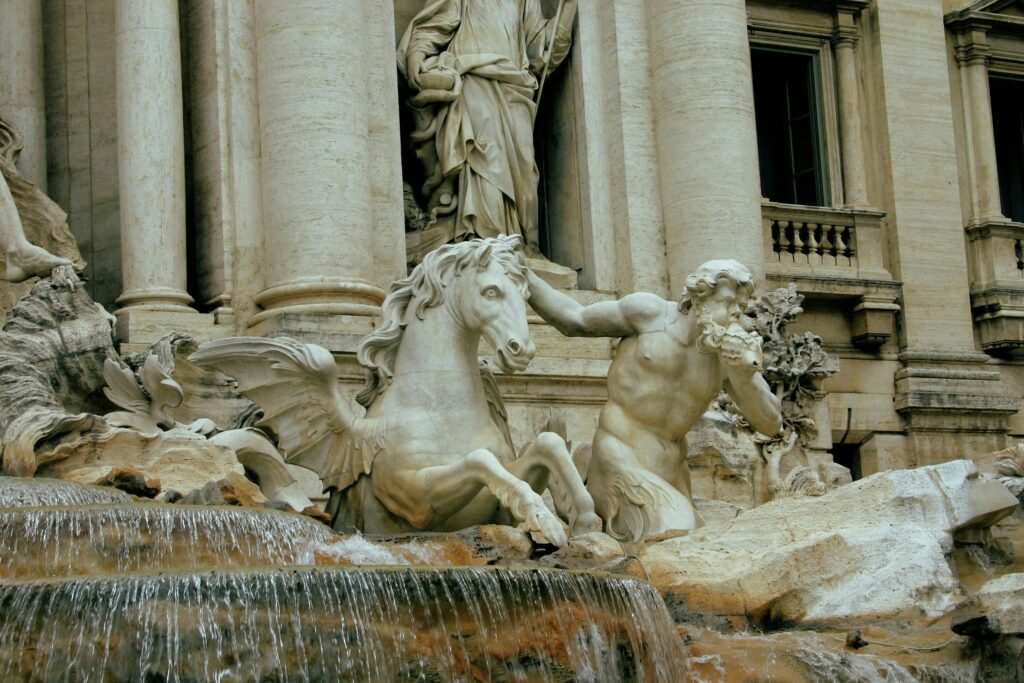
Built in the 18th century, the Trevi Fountain is not just a backdrop for photos—it is a functioning historical monument tied to Rome’s ancient aqueduct system. The famous tradition of tossing a coin to ensure a return to Rome underscores its symbolic power.
Protecting that symbolism requires preserving both the structure and the experience surrounding it.
What This Means for the Future of Tourism in Rome
The Trevi Fountain charge may signal a broader shift:
- From mass tourism to managed tourism
- From free access to shared responsibility
- From short-term consumption to long-term preservation
Other landmarks in Rome—and beyond—may follow depending on public response and results.
Frequently Asked Questions (FAQs)
Why is Rome charging tourists to visit the Trevi Fountain?
To manage overcrowding, protect the monument, and fund conservation and maintenance.
How much will tourists have to pay?
Fees are expected to be modest, though exact pricing may vary based on timing and access type.
Will locals have to pay?
No. Rome residents are expected to retain free access.
Is throwing coins into the fountain affected?
No. The coin tradition will continue, and proceeds will still go to charity.
Is this the first time Rome has charged for public landmarks?
No. Many museums and archaeological sites already charge; this is among the first major open-air landmarks to do so.
Will this reduce tourism in Rome?
Unlikely. Rome remains a global destination, but visitor behavior may become more evenly distributed.
Could other landmarks follow?
Yes. If successful, similar measures may be applied to other overcrowded sites.
Conclusion
Rome’s decision to charge tourists for access to the Trevi Fountain reflects a difficult but increasingly necessary reckoning with overtourism. In a city where history is part of daily life, preservation cannot rely on goodwill alone.
By asking visitors to contribute directly to the care of one of the world’s most beloved landmarks, Rome is testing a new model of shared responsibility—one that may redefine how we experience cultural heritage in the 21st century.
Sources Euro News

