
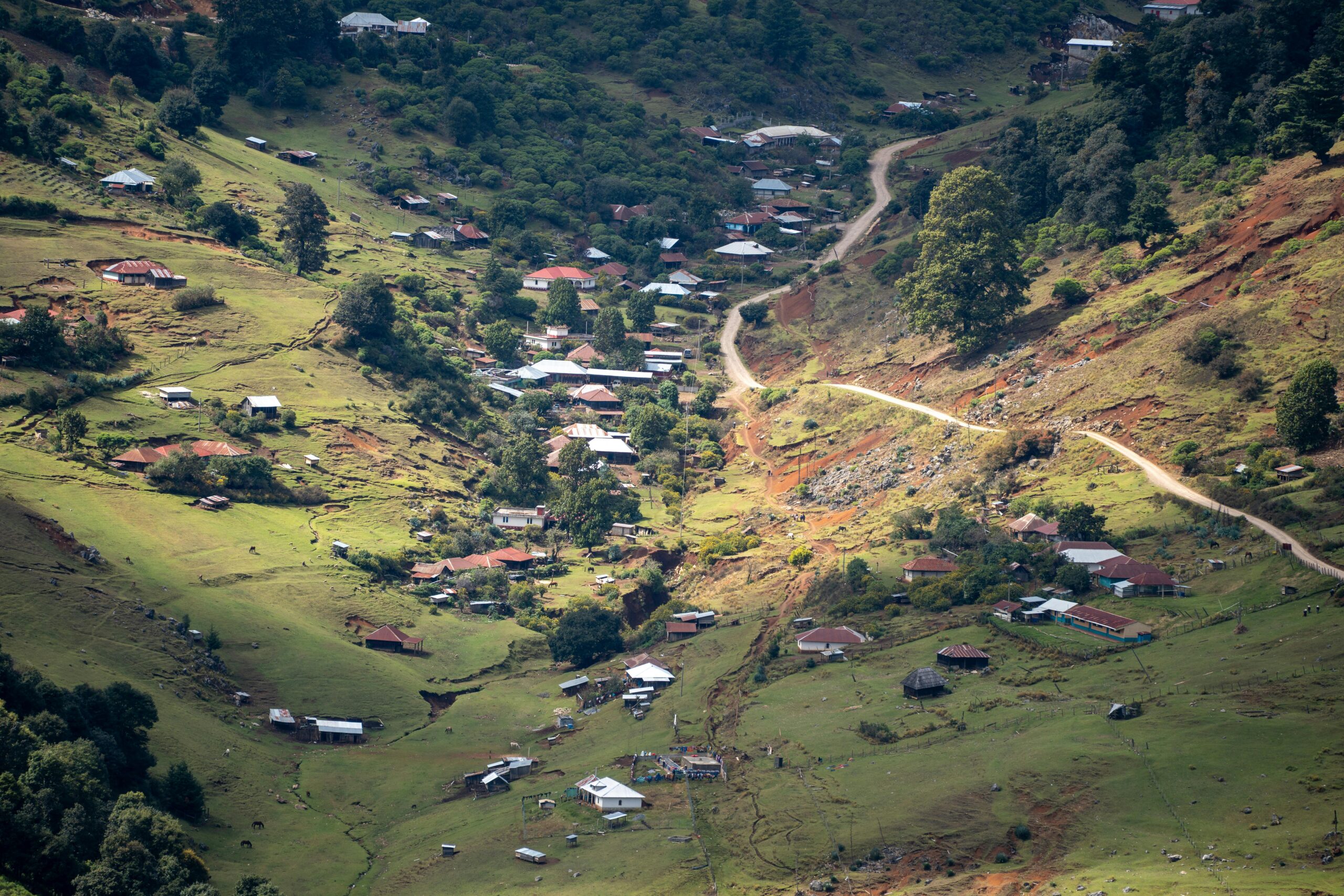
Tucked into northeastern Georgia near the border with Russia’s Chechnya, the Pankisi Valley is one of the Caucasus’ most intriguing—and misunderstood—destinations. Lush forests, mountain landscapes, rich traditions, and warm hospitality are drawing curious travelers in growing numbers. Yet despite this emerging interest, the valley remains under U.S. travel warnings, reflecting a complex legacy shaped by geopolitics, security concerns, and historical narratives.
Pankisi’s story is not one of simple danger or hidden paradise, but of a region navigating identity, perception, and opportunity on the edge of Europe.
Where Is Pankisi Valley and Who Lives There?
Pankisi Valley lies in Georgia’s Kakheti region, bordering Russia’s North Caucasus. It is home primarily to the Kist people, an ethnic group closely related to Chechens, with a distinct language, culture, and Islamic traditions.
The valley’s population is small, close-knit, and deeply rooted in:
- Mountain agriculture
- Oral traditions and music
- Sufi-influenced Islamic practices
- Strong family and community ties
Despite its isolation, Pankisi has long been a cultural crossroads linking the Caucasus and Eastern Europe.
Why Pankisi Has a Reputation for Risk
Legacy of Regional Conflict
In the late 1990s and early 2000s, instability in Chechnya spilled across the border. Refugees, fighters, and international attention focused on Pankisi, cementing its reputation as a security hotspot.
Militancy Narratives
A small number of residents were later linked to extremist groups abroad, which disproportionately shaped international perceptions. While these cases were limited, they left a lasting imprint on foreign policy assessments.
Geopolitical Sensitivity
Georgia’s strategic position between Russia and the West means border regions like Pankisi remain under close scrutiny—often long after immediate threats have diminished.
Why Travel Advisories Persist
U.S. and other Western travel warnings are often conservative by design. They tend to:
- Reflect historical risks
- Lag behind on-the-ground realities
- Prioritize worst-case scenarios
While the valley has experienced long periods of calm, advisories remain due to:
- Its proximity to conflict-prone regions
- Limited emergency infrastructure
- Diplomatic caution
These warnings do not necessarily indicate active danger but rather heightened awareness.
What Draws Tourists to Pankisi Valley Today
Natural Beauty
Pankisi offers:
- Alpine landscapes
- Dense forests and rivers
- Hiking and eco-tourism opportunities
It appeals to travelers seeking unspoiled environments far from mass tourism.
Cultural Authenticity
Visitors are drawn by:
- Traditional Kist cuisine
- Folk music and dance
- Local storytelling and hospitality
Tourism here is intimate and community-based, often centered around guesthouses and family-run experiences.
Curiosity and Reassessment
Many travelers come specifically because Pankisi challenges stereotypes. They are motivated by a desire to understand places beyond headlines and warning labels.
The Local View on Tourism
Residents increasingly see tourism as:
- A path to economic opportunity
- A way to correct misconceptions
- A tool for cultural preservation
Local guides and entrepreneurs emphasize transparency, safety, and respectful engagement. For many, tourism is not about volume but about meaningful exchange.
Infrastructure and Practical Challenges
While improving, Pankisi’s infrastructure remains limited:
- Few formal hotels
- Basic transport links
- Limited medical facilities
This makes the region unsuitable for casual tourists but appealing to experienced travelers comfortable with rural conditions.
Balancing Opportunity and Risk
Pankisi sits at a crossroads:
- Too risky in perception for mainstream tourism
- Too rich culturally to remain overlooked
Georgia’s government faces the challenge of encouraging responsible tourism while maintaining security partnerships and managing international perceptions.
What Pankisi Reveals About Travel Warnings
The valley highlights a broader truth about travel advisories:
- They are risk-management tools, not travel guides
- They rarely capture nuance or change quickly
- They can unintentionally stigmatize communities
For travelers, this underscores the importance of independent research and local engagement.
Frequently Asked Questions (FAQs)
Where is Pankisi Valley located?
In northeastern Georgia, near the Russian border with Chechnya.
Why is Pankisi on a U.S. travel warning list?
Due to historical security concerns, proximity to conflict regions, and geopolitical sensitivity.
Is Pankisi Valley currently dangerous?
There is no ongoing conflict, but infrastructure is limited and perceptions of risk remain high.
Who lives in Pankisi Valley?
Primarily the Kist people, an ethnic group related to Chechens with distinct cultural traditions.
Why are tourists visiting Pankisi now?
For its natural beauty, cultural authenticity, and reputation as an overlooked destination.
Is tourism developed there?
Tourism is small-scale and community-based, not commercialized.
Should travelers avoid Pankisi entirely?
It depends on experience level. It is best suited to informed, cautious travelers who respect local conditions.
Conclusion
Pankisi Valley challenges how the world categorizes places as “safe” or “dangerous.” Its story is one of resilience, cultural depth, and the long shadow of geopolitical narratives. While travel warnings remain, they coexist with a reality shaped more by hospitality and heritage than conflict.
For travelers willing to look beyond labels—and for communities eager to redefine themselves—Pankisi stands as a powerful reminder that destinations are more complex than advisories suggest.
Sources CNN

