
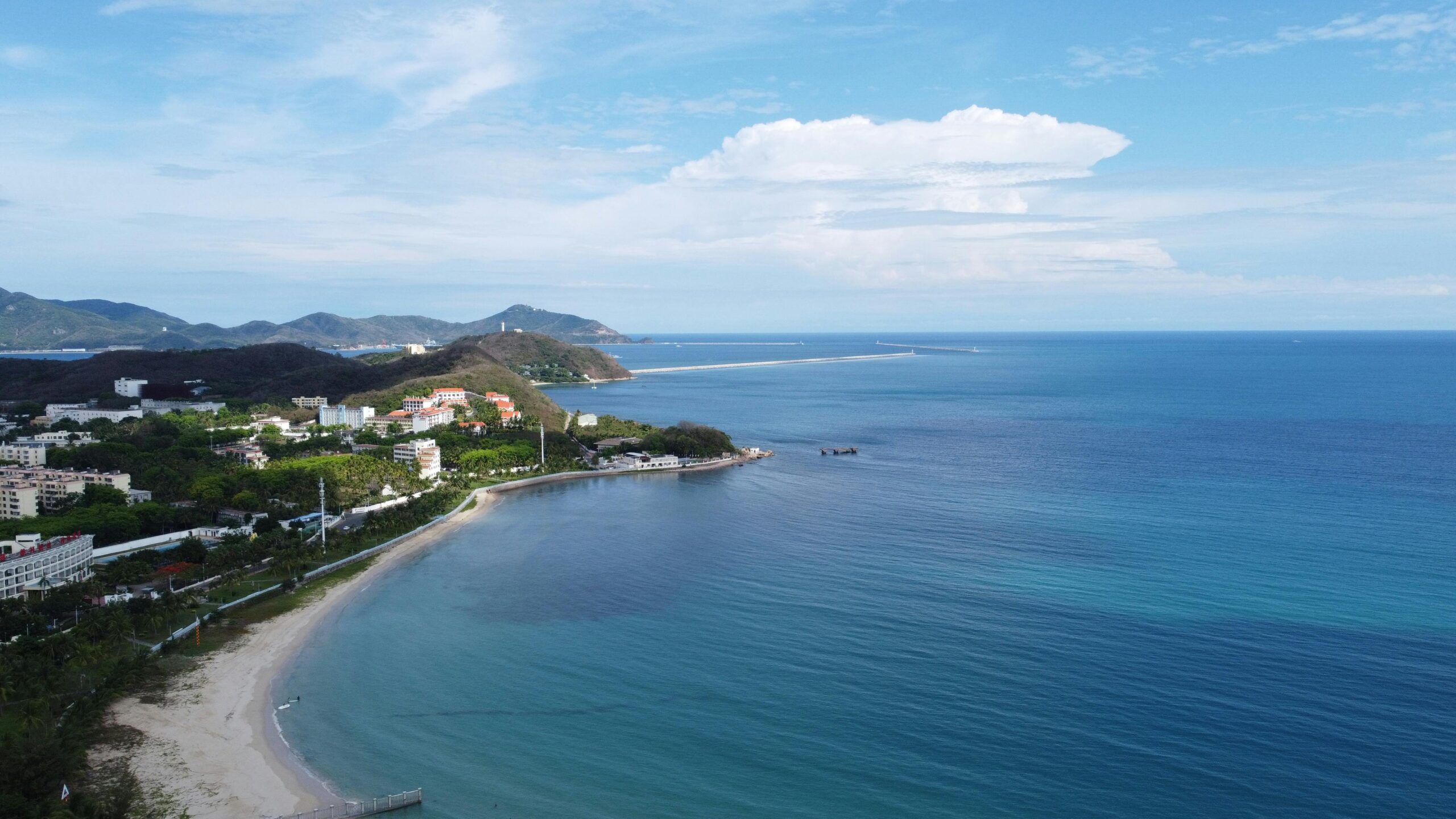
On the southern edge of China, the tropical island of Hainan has quietly become one of the most popular overseas destinations for Russian tourists. With palm-lined beaches, visa-friendly policies, and a rapidly expanding hospitality sector catering to Russian visitors, Hainan now offers something rare in today’s fractured travel landscape: a place where Russian travelers feel both welcome and unrestricted.
This shift is not accidental. It reflects deeper changes in geopolitics, global tourism flows, and China’s ambitions to position Hainan as an international leisure and business hub.
Why Hainan Appeals to Russian Tourists
Climate and Convenience
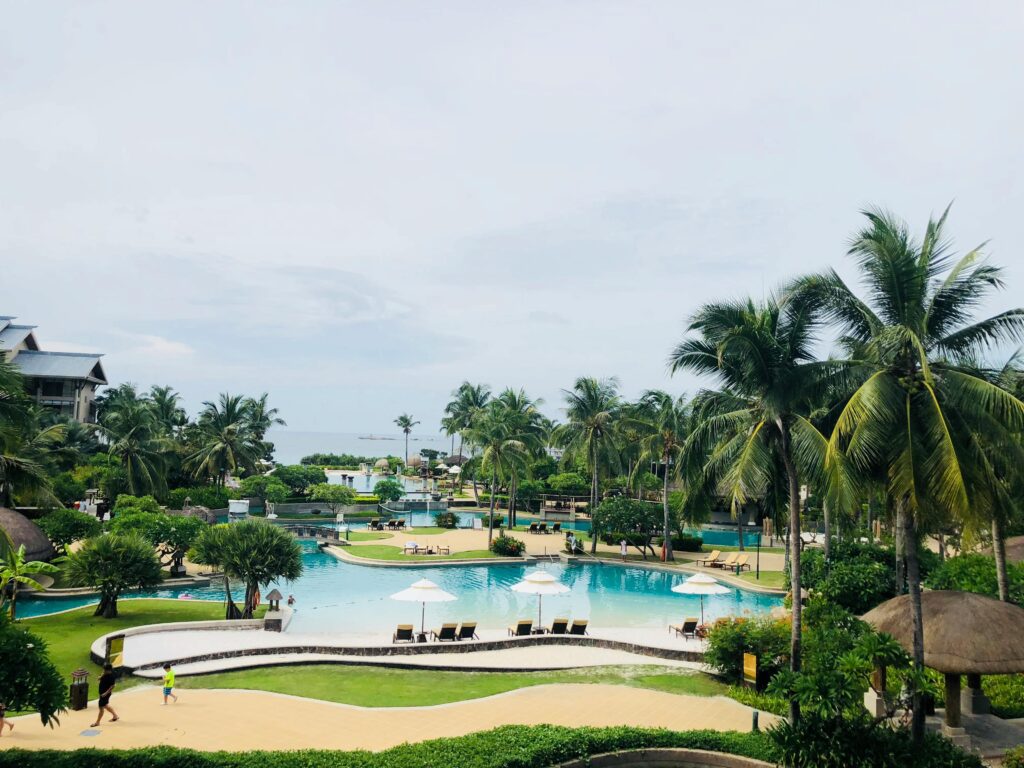
Hainan’s warm weather, beach resorts, and year-round sunshine offer a stark contrast to Russia’s long winters. For many Russians, Hainan has become an appealing alternative to Mediterranean and European destinations that are now harder to access.
Visa-Friendly Access
China has expanded visa-free or simplified entry options for travelers to Hainan from select countries, including Russia. Direct charter flights and package tours make travel relatively seamless compared to destinations requiring complex visa processes.
Affordability and Infrastructure
Luxury resorts, all-inclusive hotels, and modern airports have expanded rapidly in Hainan. Competitive pricing—combined with high service standards—makes the island attractive to middle- and upper-middle-class travelers.
The Geopolitical Context Behind the Tourism Boom
Sanctions and Shifting Travel Patterns
Western sanctions and flight restrictions have significantly narrowed travel options for Russian citizens. As access to Europe and parts of North America diminished, Russian tourism redirected toward:
- Asia
- The Middle East
- Countries maintaining neutral or friendly relations with Moscow
China, as a key diplomatic and economic partner of Russia, naturally became part of this redirection.
Tourism as Soft Power
Welcoming Russian tourists allows China to:
- Strengthen people-to-people ties
- Demonstrate openness amid global tensions
- Reinforce its image as a stable, accessible destination
Tourism thus complements broader diplomatic and economic cooperation between Beijing and Moscow.
How Hainan Is Adapting to Russian Visitors
Language and Cultural Accommodation
Hotels, tour operators, and restaurants increasingly offer:
- Russian-language signage and menus
- Russian-speaking staff and guides
- Tailored entertainment and food options
This level of accommodation reduces friction and enhances the sense of comfort for visitors.
Medical and Wellness Tourism
Hainan has also positioned itself as a center for wellness tourism, attracting Russian travelers seeking:
- Health checkups
- Rehabilitation services
- Spa and medical retreats
This niche market adds economic depth beyond leisure travel.

Economic Impact on Hainan
Boost to Local Economy
Russian tourism supports:
- Hotels and resorts
- Airlines and charter services
- Retail and dining
- Local employment
In a post-pandemic recovery phase, this influx has helped stabilize Hainan’s tourism-dependent economy.
Risk of Market Dependence
Reliance on a single major source market carries risks. Economic or political shifts could quickly reduce arrivals, prompting concerns about overdependence on Russian visitors.
Cultural and Social Dynamics
Limited Integration
While Russian tourists are welcomed, interactions with local residents often remain within tourist zones. Cultural exchange tends to be transactional rather than immersive.
Perception Among Chinese Tourists
Domestic Chinese tourists sometimes view the influx with curiosity, occasionally raising concerns about crowding or changes in resort culture. So far, tensions remain limited.
Hainan’s Role in China’s Bigger Strategy
Hainan is not just a resort island—it is a Free Trade Port experiment designed to:
- Attract foreign investment
- Encourage international travel
- Serve as a testing ground for liberalized policies
The success of Russian tourism strengthens the case for Hainan as a globally connected yet politically flexible destination.
Long-Term Sustainability Questions
Key challenges ahead include:
- Diversifying source markets beyond Russia
- Managing environmental impact
- Ensuring local communities benefit
- Balancing domestic and international tourism demand
How Hainan navigates these issues will shape its global reputation.
Frequently Asked Questions (FAQs)
Why are so many Russian tourists visiting Hainan?
Because it offers warm weather, easy entry, direct flights, affordability, and political accessibility.
Is Hainan visa-free for Russians?
Entry rules are simplified or visa-free under certain conditions, especially through organized tours.
How has geopolitics influenced this trend?
Sanctions and travel restrictions have pushed Russian tourists toward destinations that remain open and welcoming.
Does Hainan cater specifically to Russian travelers?
Yes. Many services now include Russian-language support and tailored amenities.
Is this good for Hainan’s economy?
In the short term, yes. It boosts tourism revenue and employment.
Are there risks in relying heavily on Russian tourism?
Yes. Economic or political changes could quickly affect visitor numbers.
Will other tourists be crowded out?
So far, Hainan continues to attract Chinese and other international visitors, but balance remains a key concern.
Conclusion
Hainan’s emergence as a sunny sanctuary for Russian tourists illustrates how global tourism now mirrors geopolitical realities. As travel routes realign along political and diplomatic lines, destinations like Hainan gain prominence not just for their beaches, but for their strategic positioning.
For China, the island represents an experiment in openness amid global fragmentation. For Russian travelers, it offers sun, freedom of movement, and a sense of normalcy in an increasingly restricted world. Whether this model proves sustainable will depend on Hainan’s ability to adapt—economically, culturally, and environmentally—in the years ahead.
Sources The New York Times

