
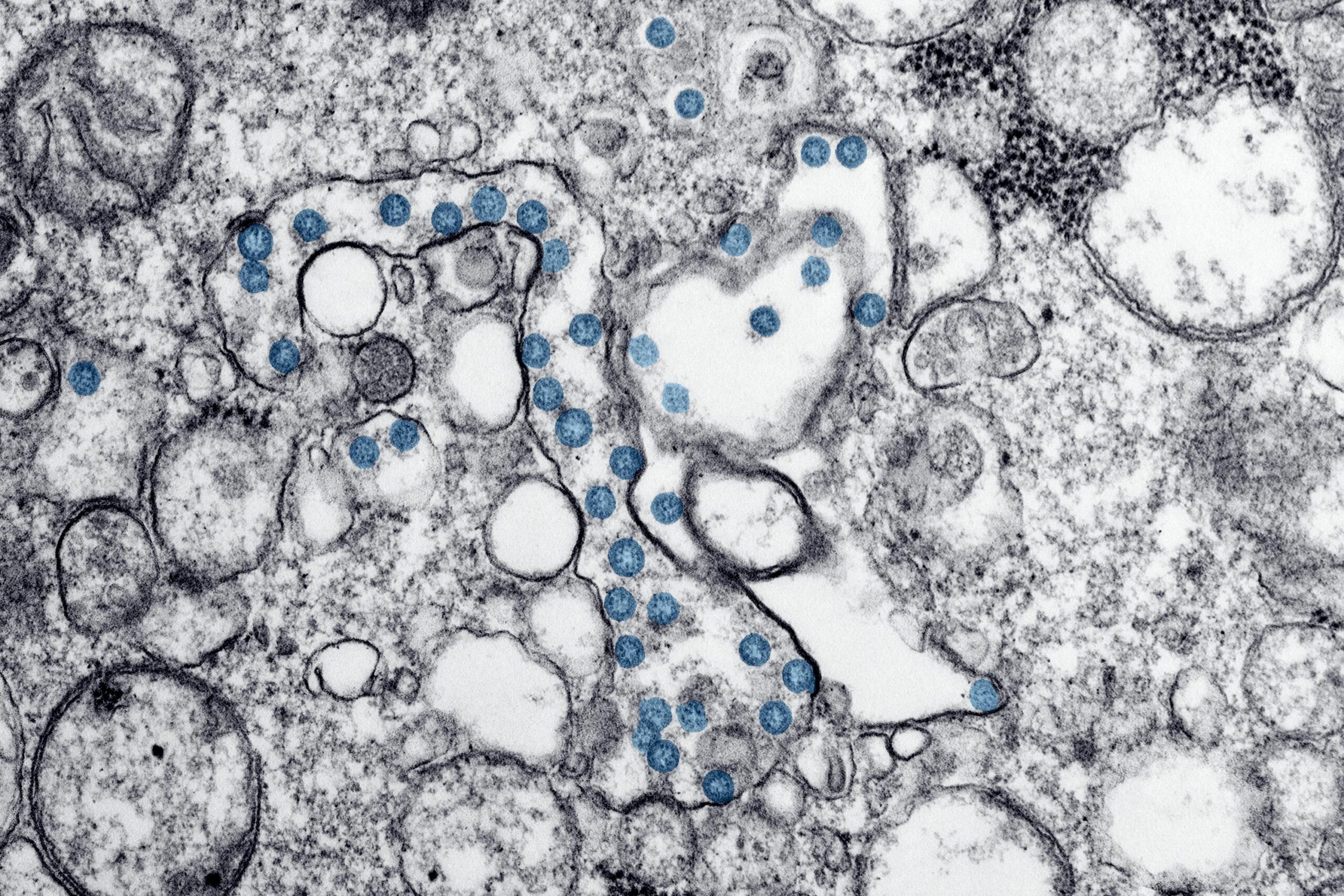
Over the past two decades, the human microbiome—the trillions of bacteria, viruses, fungi, and other microorganisms living in and on our bodies—has transformed how scientists think about health and disease. Research has linked the microbiome to conditions ranging from inflammatory bowel disease and obesity to mental health, cancer treatment response, and autoimmune disorders.
Yet despite extraordinary scientific progress and public interest, microbiome-based therapies and diagnostics have been slow to enter routine clinical care. The promise is enormous—but the path from discovery to dependable medical treatment remains complex and uncertain.
What the Microbiome Is—and Why It Matters
The human microbiome functions as a dynamic biological system that:
- Shapes immune development
- Affects metabolism and nutrient absorption
- Influences inflammation
- Interacts with drugs and medical treatments
Unlike the human genome, the microbiome is highly variable, shaped by diet, environment, medication use, age, geography, and lifestyle.
This adaptability is both its strength—and its greatest challenge.
Why Translation to the Clinic Has Been So Difficult
1. Extreme Individual Variability
No two people share the same microbiome. Even within the same individual, microbial composition can change:
- Daily
- Seasonally
- After illness or antibiotic use
This variability makes it difficult to define what a “healthy” microbiome actually looks like, complicating diagnosis and treatment design.
2. Correlation vs. Causation
Many microbiome studies identify associations, not causes:
- Does a microbial imbalance cause disease?
- Or does disease change the microbiome?
Untangling cause-and-effect relationships requires long-term, controlled studies—often difficult and expensive to conduct.
3. Incomplete Functional Understanding
Knowing which microbes are present is not the same as knowing what they are doing. Microbes interact through:
- Metabolite production
- Gene expression
- Chemical signaling
Clinical translation requires understanding microbial function, not just composition.
Technological and Methodological Barriers
Sampling and Measurement Challenges
Microbiome studies depend heavily on stool, saliva, skin, or tissue samples, which can:
- Vary depending on collection method
- Degrade quickly
- Produce inconsistent results across labs
Standardization remains a major obstacle.
Data Complexity
Microbiome research generates massive datasets that require:
- Advanced bioinformatics
- Machine learning tools
- Cross-disciplinary expertise
Interpreting this data accurately—and consistently—remains difficult even for experts.
Therapeutic Challenges
Probiotics: Limited Evidence
Despite widespread use, most commercial probiotics:
- Are not tailored to individuals
- Lack robust clinical trial evidence
- Often fail to colonize the gut long-term
This gap between marketing and science has contributed to skepticism.
Fecal Microbiota Transplantation (FMT)
FMT has shown success in treating recurrent Clostridioides difficile infection, but:
- Results vary for other conditions
- Safety concerns remain
- Regulation is complex
FMT demonstrates potential—but also highlights risks.

Regulatory and Clinical Trial Hurdles
Regulatory Uncertainty
Microbiome-based therapies blur traditional categories:
- Drug or biologic?
- Tissue or transplant?
- Personalized or standardized treatment?
Regulators must balance innovation with patient safety, often slowing approval.
Trial Design Difficulties
Clinical trials struggle with:
- Defining control groups
- Accounting for baseline microbiome differences
- Measuring meaningful outcomes
Traditional trial models may not fit microbiome interventions well.
Ethical and Equity Considerations
Access and Bias
Microbiome research has historically overrepresented populations from high-income countries, raising concerns about:
- Generalizability
- Health equity
- Bias in “reference” microbiomes
Broadening participation is essential for clinical relevance.
Privacy Concerns
Microbiome data can reveal:
- Disease risk
- Diet and lifestyle patterns
- Medication use
Protecting this sensitive information is increasingly important.
Where Progress Is Being Made
Despite challenges, momentum is growing in areas such as:
- Microbiome-informed cancer therapy
- Metabolite-based treatments
- Precision nutrition
- Synthetic and engineered microbial consortia
These approaches move beyond simple supplementation toward targeted intervention.
What Needs to Change for Clinical Translation
To unlock the microbiome’s clinical potential, the field needs:
- Standardized methods and definitions
- Larger, more diverse clinical studies
- Functional, not just descriptive, research
- Improved regulatory frameworks
- Integration with genomics, metabolomics, and clinical data
Progress will likely be incremental rather than revolutionary.
The Future of Microbiome Medicine
Rather than a single “microbiome cure,” the future may involve:
- Personalized microbial profiles guiding treatment
- Combination therapies including diet, drugs, and microbes
- Microbiome modulation as prevention rather than cure
The microbiome may become a contextual factor in medicine—shaping how treatments are chosen and optimized.
Frequently Asked Questions (FAQs)
What is the human microbiome?
It is the collection of microorganisms living in and on the human body that influence health and disease.
Why isn’t microbiome testing used routinely in clinics?
Because results are variable, difficult to interpret, and lack standardized clinical benchmarks.
Do probiotics actually work?
Some may help specific conditions, but most lack strong evidence and are not universally effective.
What is fecal microbiota transplantation (FMT)?
A procedure that transfers stool from a healthy donor to restore gut microbiota, currently approved mainly for recurrent C. difficile infections.
Is microbiome medicine safe?
Some approaches are safe in limited contexts, but broader use requires more evidence and regulation.
Will microbiome therapies become mainstream?
Possibly—but likely as part of personalized and preventive medicine rather than stand-alone treatments.
What’s the biggest obstacle to progress?
Understanding causality and function within a highly complex, individualized system.
Conclusion
The human microbiome represents one of the most exciting frontiers in modern medicine—but also one of the most challenging. Its complexity, variability, and deep integration with human biology defy simple solutions.
Clinical translation has been slower than hoped not because the science is weak, but because it is extraordinarily intricate. As tools improve and understanding deepens, microbiome-based medicine may not deliver quick fixes—but it could profoundly reshape how we think about health, prevention, and personalized care in the decades ahead.

Sources European Medical Journal

