
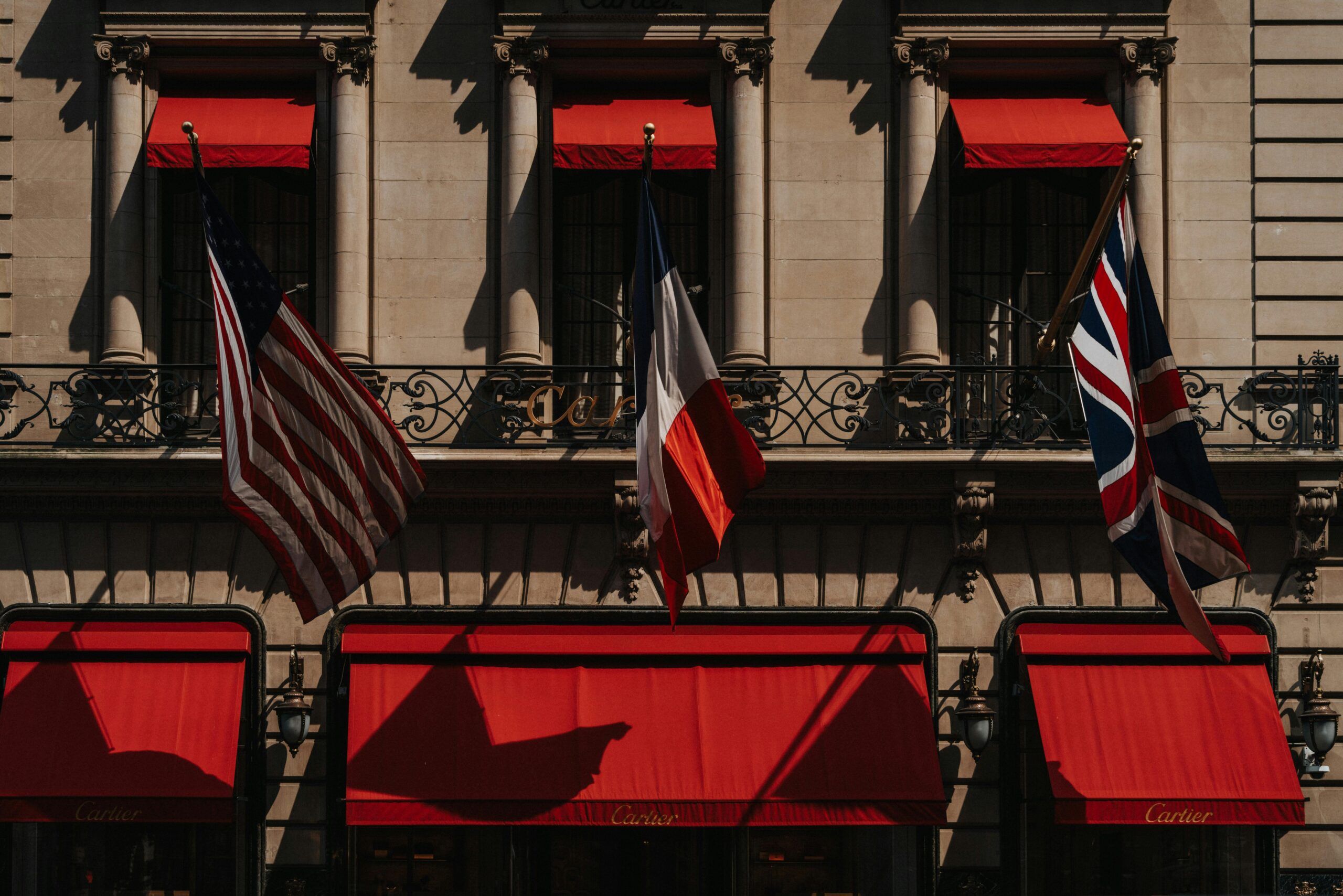
For the eighth consecutive month, international visits to the United States have declined—a troubling trend at a time when global tourism is otherwise recovering. While travelers are spending more worldwide and flocking to destinations across Europe, Asia, and the Middle East, the U.S. is increasingly being left behind.
This sustained downturn is not the result of a single policy or event. Instead, it reflects a convergence of visa barriers, rising costs, political perception, global competition, and structural inefficiencies that are making the U.S. a less attractive and less accessible destination for foreign travelers.
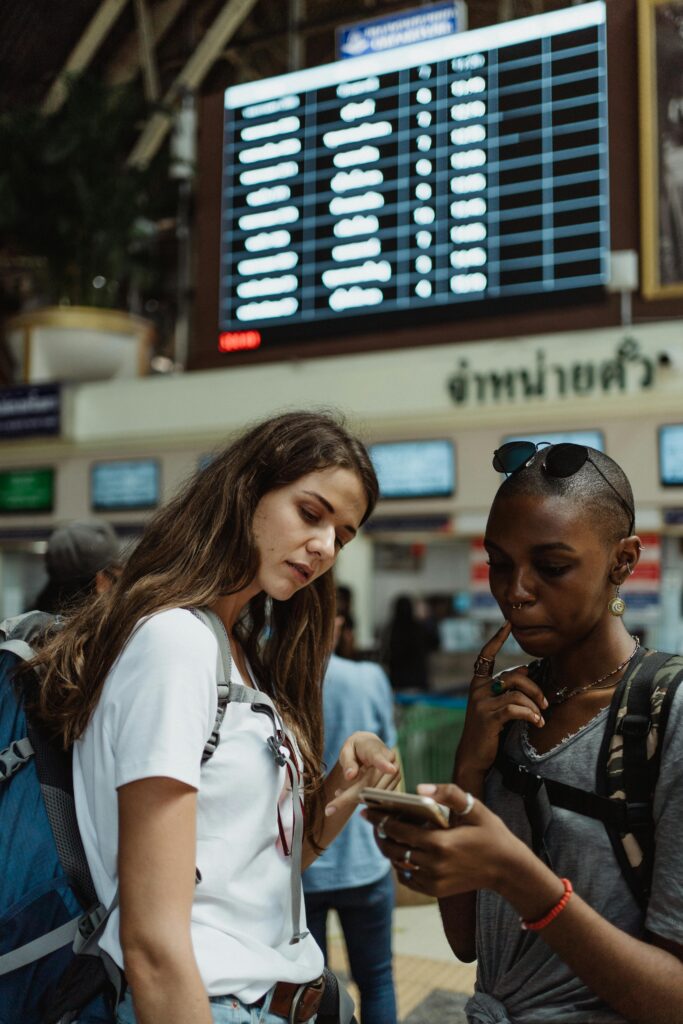
A Global Tourism Rebound—Without the U.S.
International tourism has largely recovered from pandemic-era disruptions. Travelers are:
- Taking longer trips
- Spending more per visit
- Resuming long-haul travel
- Seeking cultural, experiential, and luxury destinations
Yet while global tourism spending continues to rise, the U.S. is experiencing a prolonged slide in international arrivals, signaling a loss of competitiveness rather than a lack of demand.
Key Reasons International Travel to the U.S. Is Declining
1. Visa Delays and Bureaucratic Friction
One of the most persistent barriers is the U.S. visa system. Travelers from many countries face:
- Long wait times for visa interviews
- Limited appointment availability
- Uncertainty around approval timelines
In contrast, competing destinations have streamlined or waived visa requirements, making travel decisions easier and faster.
2. Rising Costs and Value Perception
The U.S. has become a significantly more expensive destination due to:
- A strong U.S. dollar
- High hotel and transportation costs
- Inflation-driven price increases
Travelers increasingly compare destinations on value, and many find better affordability elsewhere for similar or superior experiences.
3. Political Climate and Perception
Tourism is sensitive to perception. Factors influencing traveler sentiment include:
- Political polarization and rhetoric
- Concerns about border treatment
- Media coverage of gun violence and social unrest
Even when risks are statistically low, perceived unwelcomeness can strongly deter visitors.
4. Border and Airport Experience
First impressions matter. Reports of:
- Lengthy immigration lines
- Inconsistent screening
- Stressful airport experiences
spread quickly online and shape destination reputations—especially among first-time visitors.
5. Stronger Competition From Other Destinations
Other regions are aggressively competing for travelers by:
- Investing in tourism infrastructure
- Promoting sustainability and culture
- Offering easier entry and better pricing
Europe, parts of Asia, and the Middle East have capitalized on this moment while the U.S. has struggled to adapt.

Who Is Most Affected by the Decline?
Gateway Cities
Cities like New York, Los Angeles, Miami, Chicago, and San Francisco rely heavily on international visitors who:
- Stay longer
- Spend more
- Visit multiple attractions
Declines hit hotels, retail, restaurants, and cultural institutions particularly hard.
Business and Academic Travel
International conferences, trade shows, and student enrollment are also affected, weakening:
- Local economies
- Innovation ecosystems
- Cultural and professional exchange
Economic and Workforce Impacts
International tourism supports:
- Millions of U.S. jobs
- Hospitality, retail, and transportation sectors
- Tax revenue for local governments
Sustained declines can lead to:
- Reduced staffing
- Slower wage growth
- Delayed investment in tourism infrastructure
Is This a Temporary Dip or a Structural Problem?
Short-Term Factors
- Currency fluctuations
- Inflation
- Lingering post-pandemic disruptions
Structural Issues
- Outdated visa systems
- Inconsistent national tourism strategy
- Underinvestment in airports and entry processes
Without reform, the decline may persist even as global travel continues to grow.
What the U.S. Could Do to Reverse the Trend
To regain momentum, the U.S. may need to:
- Modernize visa processing and reduce wait times
- Improve airport and border experiences
- Rebuild a clear national tourism strategy
- Address perception issues through consistent messaging
Other countries have already made these changes—and are seeing results.
What This Trend Says About Global Tourism
The continued decline in U.S. visits underscores a broader reality:
- Tourism is highly competitive
- Reputation and accessibility matter as much as attractions
- Countries that reduce friction win
In today’s travel market, ease and experience are decisive advantages.
Frequently Asked Questions (FAQs)
Why is international travel to the U.S. declining?
Visa delays, high costs, political perception, and stronger competition from other destinations.
Is global tourism declining too?
No. Global tourism spending and travel volumes are rising overall.
Are all travelers avoiding the U.S.?
No, but declines are concentrated among first-time visitors and travelers from countries requiring visas.
Does this affect U.S. jobs?
Yes. International tourism supports millions of jobs, especially in major cities.
Is the strong dollar a factor?
Yes. A strong dollar makes U.S. travel more expensive for foreign visitors.
Can the U.S. reverse this trend?
Yes, but it requires policy reform, investment, and improved traveler experience.
Will the decline continue into the future?
That depends on whether structural barriers are addressed. Without change, the U.S. risks falling further behind.
Conclusion
The ongoing decline in international travel to the United States is not a mystery—it is a message. In a world where travelers have more choices than ever, friction, cost, and perception can outweigh even the most iconic attractions.
If the U.S. wants to reclaim its position as a top global destination, it must treat tourism as a strategic economic priority—one that demands modern systems, welcoming experiences, and global competitiveness. Without that shift, the slide may continue, even as the rest of the world moves on.
Sources Business Insider

