
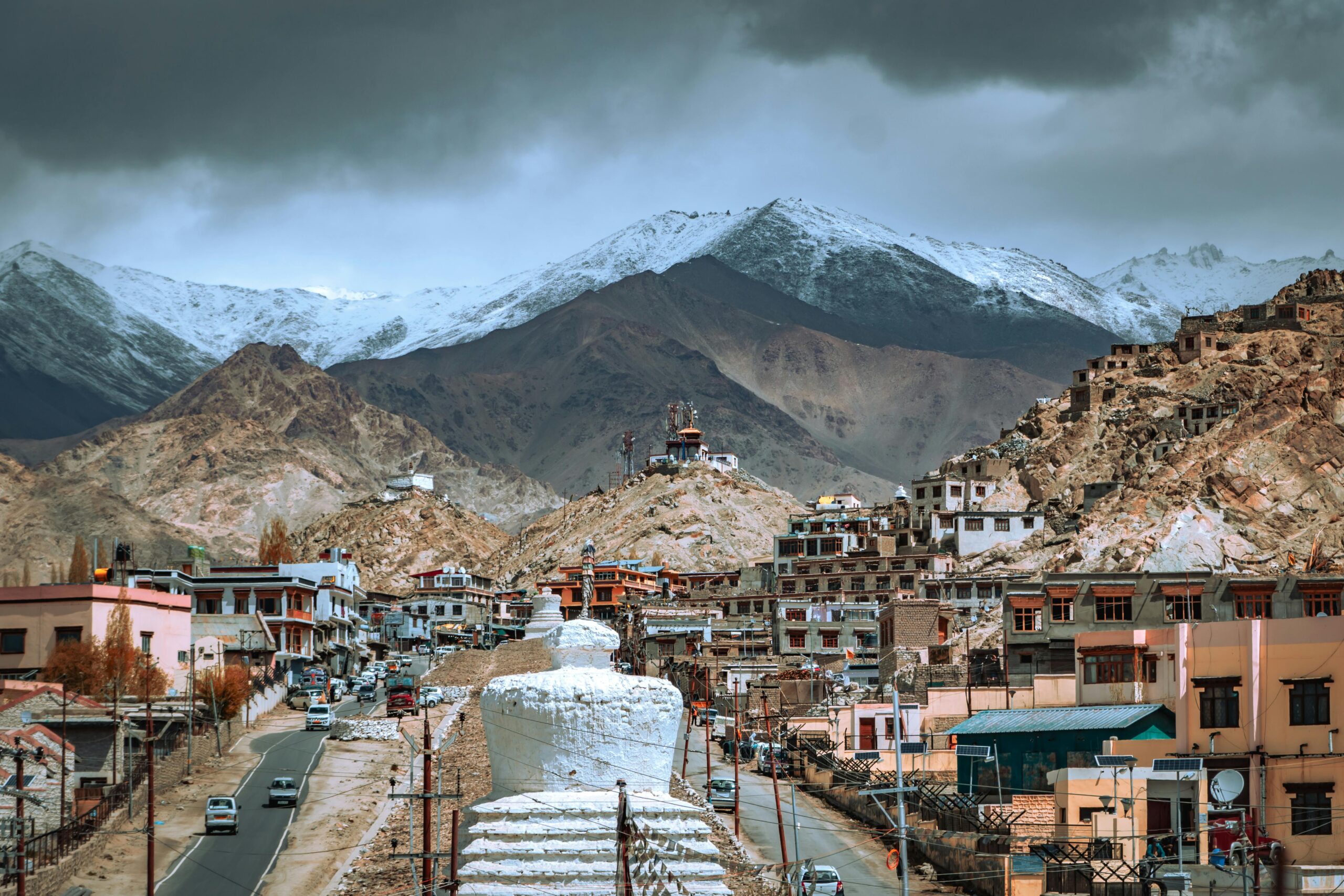
During the height of the pandemic, mountain towns across the American West experienced an economic surge unlike anything in recent memory. Remote work flexibility, a craving for outdoor recreation, and stimulus-fueled spending sent visitors—and new residents—into alpine communities at record levels. Lodging booked months in advance, sales tax revenues soared, and local governments expanded services to meet unprecedented demand.
Now, that extraordinary boom is receding. Visitor numbers are stabilizing or declining, and many mountain towns are tightening their belts, scaling back budgets, and confronting challenges that were temporarily obscured by the pandemic-era influx.
This transition marks a shift from emergency-driven growth to a more uncertain—and arguably more realistic—economic phase.
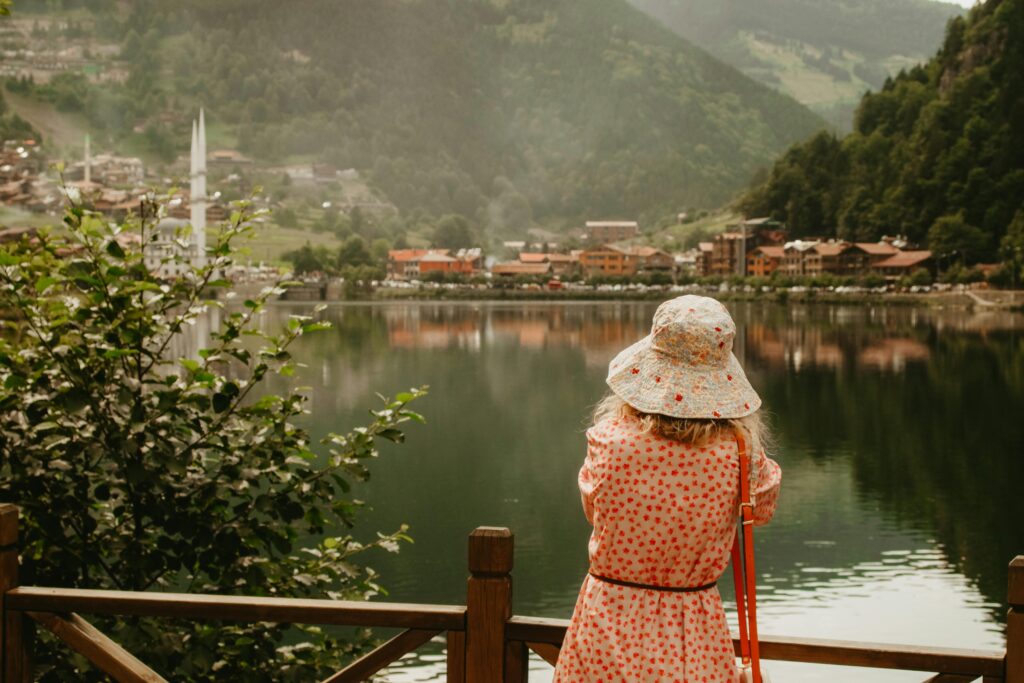
The Pandemic Boom: What Made It Different
Tourism Plus Temporary Migration
The pandemic surge wasn’t just tourism. It combined:
- Long-term stays by remote workers
- Extended family visits
- Urban residents relocating for months at a time
- Limited international travel redirecting demand domestically
Mountain towns became hybrid spaces—part destination, part second home, part workplace.
Record Revenue for Local Governments
Many towns saw:
- Historic sales and lodging tax collections
- Increased short-term rental activity
- Strong retail and restaurant spending
Local governments responded by:
- Expanding public transit
- Increasing public safety staffing
- Accelerating infrastructure projects
The assumption was that elevated demand might last longer.
Why Tourism Is Declining Now
The Return of Normal Travel Patterns
As pandemic restrictions faded:
- Offices reopened and hybrid work stabilized
- International travel resumed
- Urban entertainment options returned
Mountain destinations lost the exclusivity they had during lockdowns.
Higher Costs for Travelers
Inflation has made mountain travel more expensive:
- Lodging rates remain elevated
- Fuel, food, and lift tickets cost more
- Equipment rentals and activities are pricier
Travelers are becoming more selective, shortening stays or skipping trips altogether.
Budget Tightening and Fiscal Reality
From Expansion to Retrenchment
With tourism revenues flattening or falling, towns are:
- Delaying capital improvements
- Freezing or reducing hiring
- Cutting discretionary programs
- Rebuilding financial reserves
This shift is particularly difficult for communities that expanded services during the boom.
Dependence on Tourism Taxes
Many mountain towns rely heavily on:
- Lodging taxes
- Sales taxes
- Tourism-related fees
When visitor numbers drop, funding for essential services—such as transit, road maintenance, and emergency response—comes under pressure.
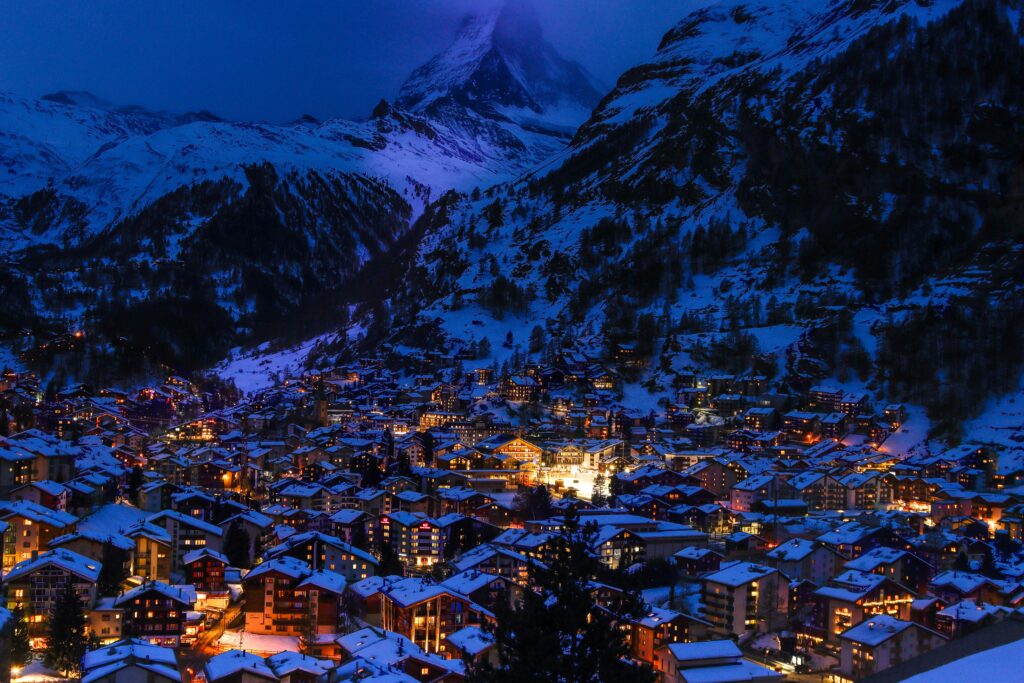
Housing: The Crisis That Didn’t End
Boom-Time Demand, Bust-Time Constraints
The pandemic accelerated:
- Second-home purchases
- Short-term rental conversions
- Real estate speculation
Even as tourism slows, housing prices remain high, leaving workers struggling to live near their jobs.
Workforce Instability
With fewer visitors:
- Service workers see reduced hours
- Seasonal employment becomes less predictable
- Long commutes strain workers and employers
Labor shortages persist even as demand softens.
Climate Change Adds Uncertainty
Winter Tourism at Risk
Ski-dependent towns face:
- Shorter, less predictable seasons
- Increased snowmaking costs
- Greater reliance on weather extremes
This volatility makes long-term planning increasingly risky.
Summer Isn’t a Perfect Solution
While summer tourism has grown, it brings:
- Wildfire risk
- Water shortages
- Trail and ecosystem strain
Diversification helps—but it is not a cure-all.
Rethinking the Tourism Model
From Growth to Stability
Some mountain towns are using this slowdown to:
- Reassess visitor capacity
- Limit short-term rentals
- Promote shoulder-season travel
- Focus on resident quality of life
The emphasis is shifting from constant growth to long-term sustainability.
Economic Diversification
Communities are exploring:
- Remote work hubs
- Arts and cultural programming
- Education and research partnerships
- Local manufacturing and services
Reducing reliance on tourism alone is increasingly viewed as essential.
What Residents Are Experiencing
For locals, the transition is mixed:
- Relief from congestion and overcrowding
- Anxiety about job security and services
- Frustration that housing remains unaffordable
Many hope this period leads to more balanced, livable communities.
Lessons From the Pandemic Tourism Surge
The boom revealed:
- Tourism’s power to generate rapid revenue
- The danger of overreliance on a volatile industry
- How quickly housing and infrastructure can be overwhelmed
Mountain towns are now planning with more caution—and realism.
Frequently Asked Questions (FAQs)
Why are mountain towns seeing tourism decline now?
Pandemic-era travel patterns have normalized, costs have risen, and travelers have more destination choices.
Does this mean tourism is collapsing?
No. Tourism remains important, but growth has slowed or reversed from unsustainable highs.
How are local governments responding?
By tightening budgets, delaying projects, and reassessing long-term spending commitments.
Has the housing crisis improved?
Not significantly. Housing remains expensive due to long-term shortages and second-home demand.
How does climate change affect mountain tourism?
Unpredictable snow, wildfire risk, and water stress add uncertainty to both winter and summer tourism.
Are towns trying to reduce reliance on tourism?
Yes. Many are pursuing economic diversification and more sustainable tourism strategies.
What does this mean for residents?
Potentially fewer crowds—but ongoing challenges around affordability, employment stability, and public services.
Conclusion
As pandemic-era tourism highs fade, mountain towns are confronting a difficult but necessary recalibration. The tightening of budgets reflects not failure, but the end of an extraordinary—and unsustainable—moment.
The choices made now will determine whether these communities emerge more resilient and livable, or remain vulnerable to the next boom-and-bust cycle. The lesson is clear: tourism can fuel prosperity, but only stability and balance can sustain it.
Sources Durango Herald

