
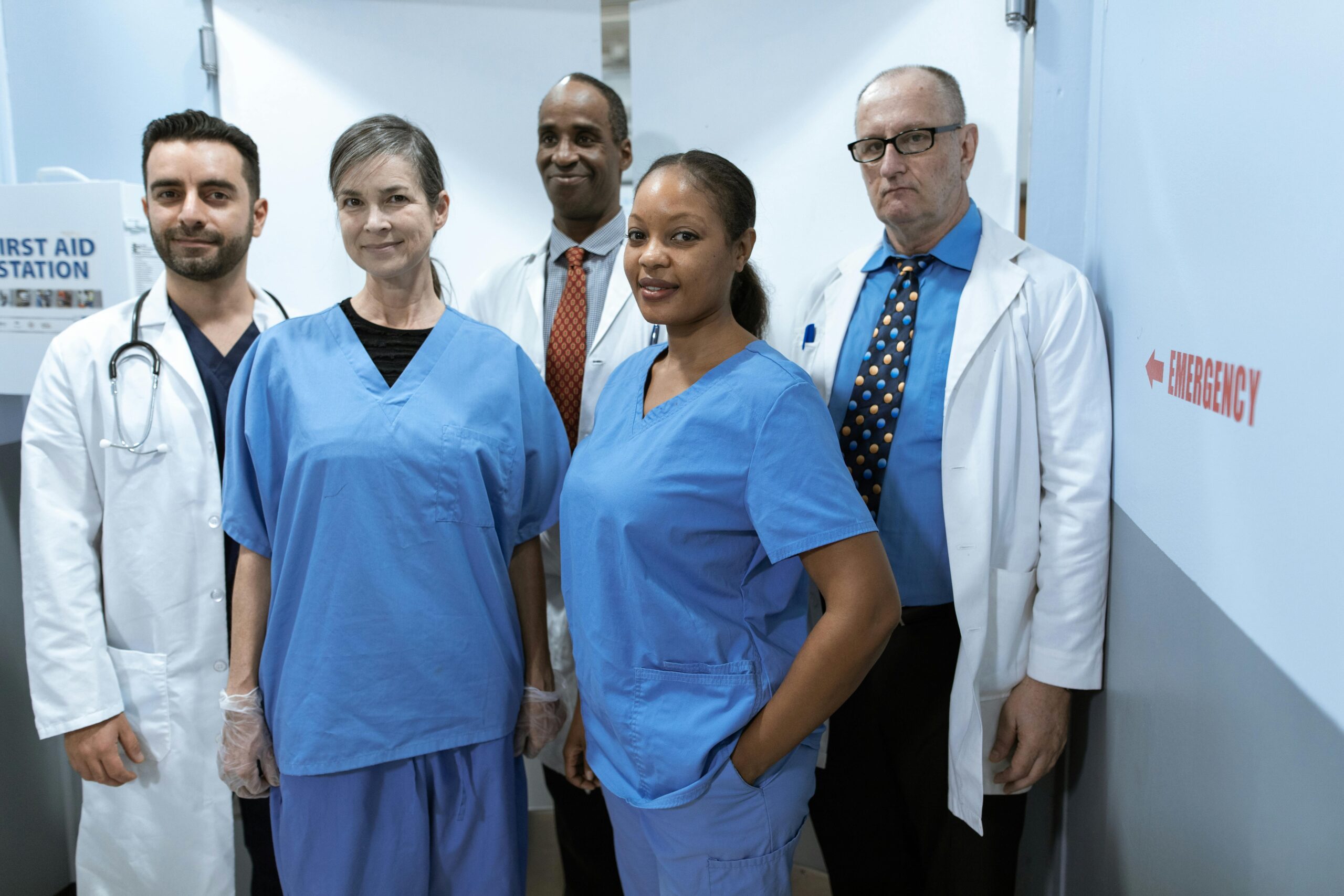
Clear communication is essential in moments of crisis. Whether responding to a medical emergency, conducting a welfare check, or investigating a crime, first responders rely on accurate information to make fast, life-saving decisions. In increasingly diverse communities, language barriers can stand in the way of that clarity.
Recognizing this challenge, the local health department has provided translation devices to the Barton County Sheriff’s Office (BCSO)—a move that reflects a growing understanding that language access is not a convenience, but a public safety necessity.

Why Language Access Is a Public Safety Issue
Changing Community Demographics
Many rural and mid-sized communities are becoming more linguistically diverse due to:
- Immigration for agricultural, industrial, and service-sector jobs
- Refugee resettlement
- Multigenerational households where English is not the primary language
Law enforcement officers increasingly encounter individuals who speak limited or no English.
High-Stakes Situations Require Precision
In law enforcement and public health settings, miscommunication can:
- Delay emergency medical care
- Escalate tense encounters
- Lead to incorrect decisions or reports
- Undermine legal rights
Translation devices help ensure that instructions, questions, and explanations are understood by all parties.
What Are Translation Devices and How Do They Work?
Real-Time Language Support
Modern translation devices typically offer:
- Instant, two-way voice translation
- Support for dozens of languages
- Portable, handheld or tablet-based formats
- Offline or low-connectivity functionality
This allows officers to communicate directly with individuals without waiting for an interpreter.
Use Cases in Law Enforcement
Translation devices can be used during:
- Traffic stops
- Domestic disturbance calls
- Medical emergencies
- Welfare checks
- Interviews with witnesses or victims
They are particularly valuable in urgent situations where time is critical.
Why the Health Department Is Involved
Public Health and Safety Overlap
Health departments often collaborate with law enforcement because:
- Many calls involve mental health crises, injuries, or medical emergencies
- Public health outcomes are influenced by trust in first responders
- Clear communication improves compliance with health and safety instructions
Providing translation tools aligns with broader public health goals of equity and access.
Preventing Health Disparities
Language barriers are a known contributor to:
- Poor health outcomes
- Delayed treatment
- Reduced access to services
By supporting law enforcement with translation technology, health officials help reduce these disparities at the first point of contact.
Building Trust With the Community
Reducing Fear and Misunderstanding
For non-English speakers, encounters with law enforcement can be especially stressful. Translation devices help by:
- Allowing people to explain themselves clearly
- Reducing confusion and fear
- Demonstrating respect and inclusion
This can improve cooperation and reduce conflict.
Supporting Victims and Witnesses
Language barriers can prevent victims from reporting crimes or seeking help. Accessible communication:
- Encourages reporting
- Improves accuracy of statements
- Strengthens investigations
Trust grows when people feel heard.
Technology Is Not a Replacement for Human Interpreters
Strengths and Limitations
While translation devices are valuable, they:
- May struggle with dialects or slang
- Are less effective in emotionally complex conversations
- Cannot fully replace certified interpreters in legal proceedings
They are best viewed as a first-response tool, not a complete solution.
Training and Implementation Matter
Effective Use Requires Preparation
Agencies must ensure:
- Officers are trained on device operation
- Clear protocols guide when and how devices are used
- Privacy and data security are protected
Technology alone is not enough without proper implementation.
A Broader Trend in Public Service
Language Access as Equity
Across the U.S., agencies are investing in:
- Translation devices
- Multilingual signage
- Interpreter services
This reflects a growing recognition that equal access to services requires linguistic inclusion.
Potential Long-Term Benefits
Providing translation devices may lead to:
- Faster emergency response
- Fewer misunderstandings
- Improved health and safety outcomes
- Stronger community–law enforcement relationships
Small investments can yield significant returns in trust and effectiveness.
Frequently Asked Questions (FAQs)
Why does law enforcement need translation devices?
To communicate accurately and safely with individuals who do not speak English fluently.
Which languages do these devices support?
Most support dozens of languages, though availability depends on the specific device.
Do translation devices replace interpreters?
No. They supplement interpreters, especially in urgent or initial encounters.
Why did the health department provide the devices?
Because language access improves public health outcomes and emergency response effectiveness.
Are these devices used only in emergencies?
No. They can also be used during routine interactions, interviews, and welfare checks.
Is there a risk of mistranslation?
Yes. While generally accurate, devices are not perfect and should be used with judgment.
How does this benefit the community?
It improves safety, fairness, trust, and access to essential services for non-English speakers.
Conclusion
The decision to equip the Barton County Sheriff’s Office with translation devices is about more than technology—it is about recognizing communication as a cornerstone of public safety and public health. In moments where clarity can mean the difference between help and harm, language access becomes a form of protection.
As communities grow more diverse, initiatives like this reflect a shift toward more inclusive, effective, and humane public service—where being understood is not a privilege, but a right.

Sources Great Bend Tribune

