

From the canals of Venice to the boulevards of Paris and the beaches of Barcelona, overtourism has become one of the defining challenges of global travel. Once celebrated as symbols of success, record visitor numbers are now straining housing markets, infrastructure, cultural heritage, and residents’ quality of life.
As tourism rebounds and grows more concentrated in iconic destinations, governments, businesses, and travelers are being forced to rethink how tourism works—and who it should serve.
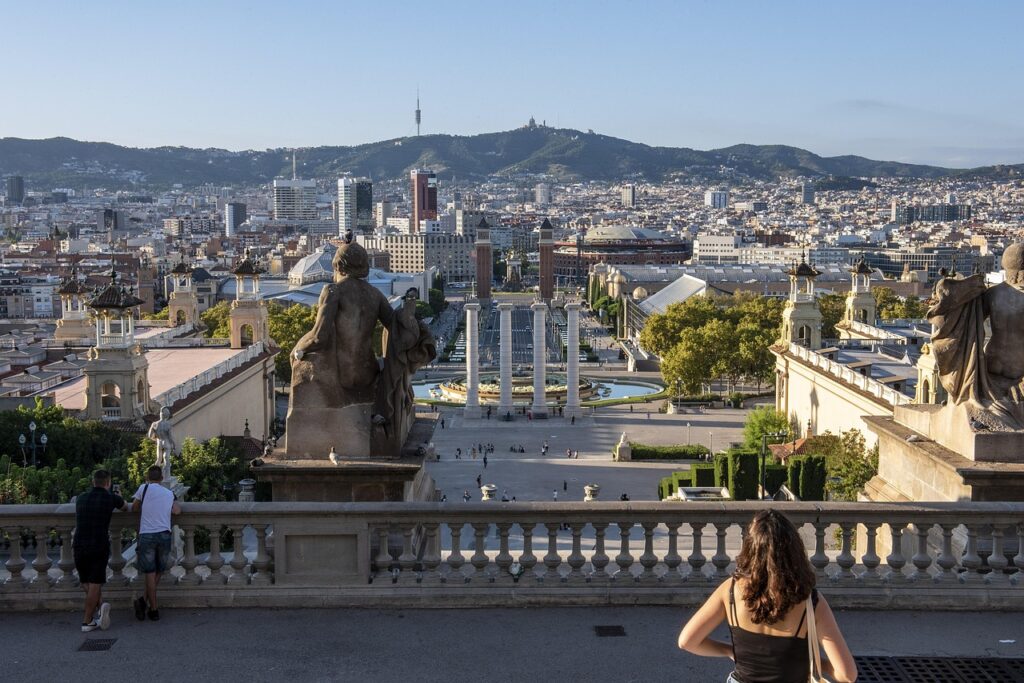
What Is Overtourism—and Why It’s Getting Worse
A Concentration Problem, Not Just a Numbers Problem
Overtourism isn’t simply about too many tourists overall. It’s about:
- Too many visitors in the same places
- At the same times
- Engaging in the same activities
Social media, cheap flights, cruise tourism, and short-term rentals have intensified this concentration.
Post-Pandemic Rebound Effects
After years of restricted travel, demand returned quickly—but unevenly. Travelers gravitated back to:
- Famous landmarks
- “Must-see” neighborhoods
- Bucket-list destinations
This surge overwhelmed cities already struggling with housing shortages and infrastructure fatigue.
Why Barcelona, Paris, and Venice Are Flashpoints
Barcelona: Housing and Local Life
Barcelona’s challenges include:
- Short-term rentals reducing long-term housing supply
- Rising rents pushing residents out of historic neighborhoods
- Overcrowding in areas like Las Ramblas and the Gothic Quarter
Tourism revenue clashes with residents’ right to live affordably.
Paris: Scale Meets Saturation
Paris receives tens of millions of visitors annually. The pressure shows in:
- Overloaded transit systems
- Crowded museums and landmarks
- Rising tensions between residents and visitors
The city must manage volume without damaging its global appeal.
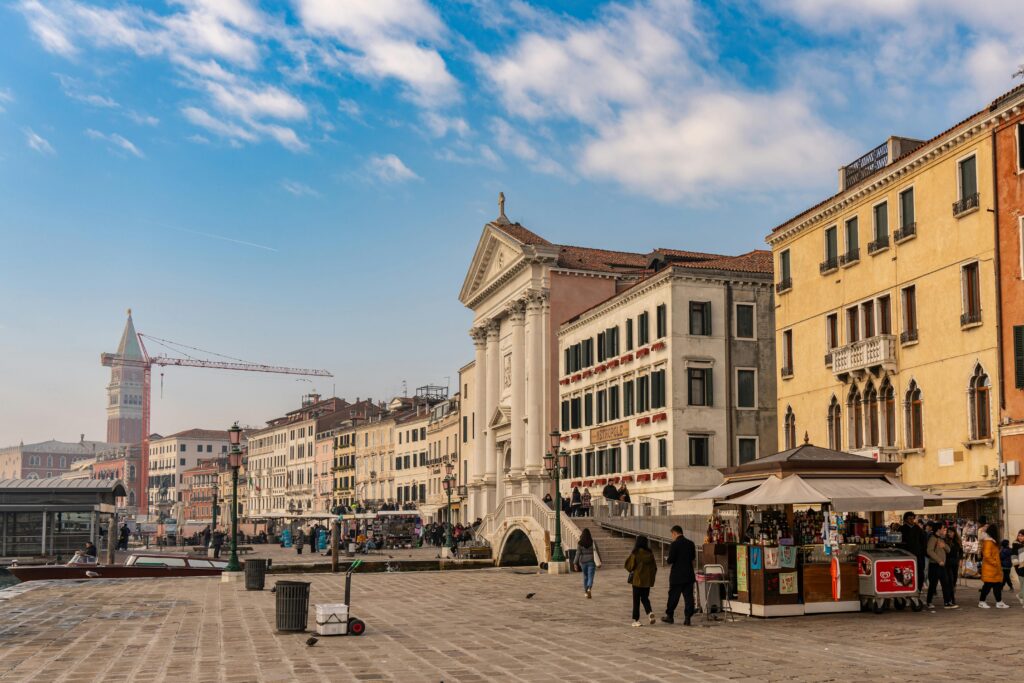
Venice: An Existential Crisis
Venice faces unique risks:
- A fragile physical environment
- A shrinking resident population
- Cruise ships overwhelming narrow streets and canals
For Venice, overtourism threatens not just comfort—but survival.
What Governments Are Doing
Regulating Access and Flow
Cities are experimenting with:
- Visitor caps at major attractions
- Reservation systems for popular sites
- Entry fees or day-trip taxes
These tools aim to smooth demand and discourage mass, short-term visits.
Restricting Short-Term Rentals
Many cities are:
- Limiting Airbnb-style rentals
- Enforcing registration and licensing
- Penalizing illegal listings
Housing protection has become a central tourism policy goal.
Cruise and Group Tour Controls
Measures include:
- Banning large cruise ships from city centers
- Limiting group tour sizes
- Restricting loudspeakers and peak-hour tours
These steps reduce the most disruptive forms of tourism.
The Economic Balancing Act
Tourism Is Still Essential
Despite backlash, tourism provides:
- Jobs across income levels
- Tax revenue
- Funding for cultural preservation
Cities cannot simply “turn off” tourism without economic consequences.
From Quantity to Quality
The policy shift is toward:
- Fewer visitors spending more
- Longer stays instead of day trips
- Cultural and educational travel
The goal is value, not volume.
The Role of Businesses
Rethinking Tourism Products
Hotels, tour operators, and attractions can:
- Promote off-peak visits
- Highlight lesser-known neighborhoods
- Create experiences that disperse visitors
Business choices shape visitor behavior.
Ethical Tourism as a Competitive Advantage
Companies increasingly market:
- Sustainability credentials
- Community partnerships
- Local hiring and sourcing
Responsible tourism is becoming a brand asset.
What Travelers Can Do
Travel Differently
Visitors can help by:
- Avoiding peak seasons and hours
- Staying in less-visited areas
- Respecting local norms and noise rules
Small choices matter at scale.
Spend Locally
Supporting:
- Local restaurants and shops
- Resident-led tours
- Cultural institutions
helps tourism benefits reach communities—not just corporations.
Rethink “Must-See” Travel
Travelers can ask:
- Do I need to go everywhere everyone else goes?
- Can I choose depth over checklist travel?
Curiosity beyond the obvious reduces pressure on hotspots.
Technology and Data as Tools
Cities are using:
- Real-time crowd monitoring
- Data from mobile devices and ticketing
- Dynamic pricing based on demand
Smart management allows for more responsive tourism control.
Long-Term Solutions Require Cultural Change
Tourism as a Shared Responsibility
Overtourism is not just a policy problem—it’s a cultural one. It requires:
- Honest communication with visitors
- Resident involvement in decision-making
- Recognition that destinations are living places
Redefining Success
Success can no longer be measured by:
- Visitor numbers alone
- Hotel occupancy records
Instead, metrics must include:
- Resident satisfaction
- Environmental impact
- Cultural preservation
Frequently Asked Questions (FAQs)
What is overtourism?
It occurs when visitor numbers overwhelm a destination’s capacity, harming residents, infrastructure, and heritage.
Why are cities like Barcelona and Venice struggling most?
High popularity, limited space, housing pressure, and concentrated tourism flows.
Do tourist taxes actually work?
They can help manage demand and fund infrastructure, but are most effective when paired with other measures.
Is banning tourists the solution?
No. The goal is management, not exclusion—balancing access with livability.
How can travelers avoid contributing to overtourism?
By traveling off-season, exploring lesser-known areas, and supporting local businesses.
Will overtourism get worse?
Without intervention, yes—especially as global travel continues to grow.
Can overtourism be reversed?
It can be mitigated through coordinated policy, business practices, and traveler behavior.
Conclusion
Overtourism is one of the defining challenges of modern travel—not because people want to explore the world, but because too many are guided toward the same places in the same ways. Cities like Barcelona, Paris, and Venice are showing that the solution lies not in shutting doors, but in redesigning tourism to serve communities as much as visitors.
If governments act boldly, businesses innovate responsibly, and travelers choose more thoughtfully, tourism can remain a force for cultural exchange rather than conflict.
Sources Bloomberg

