
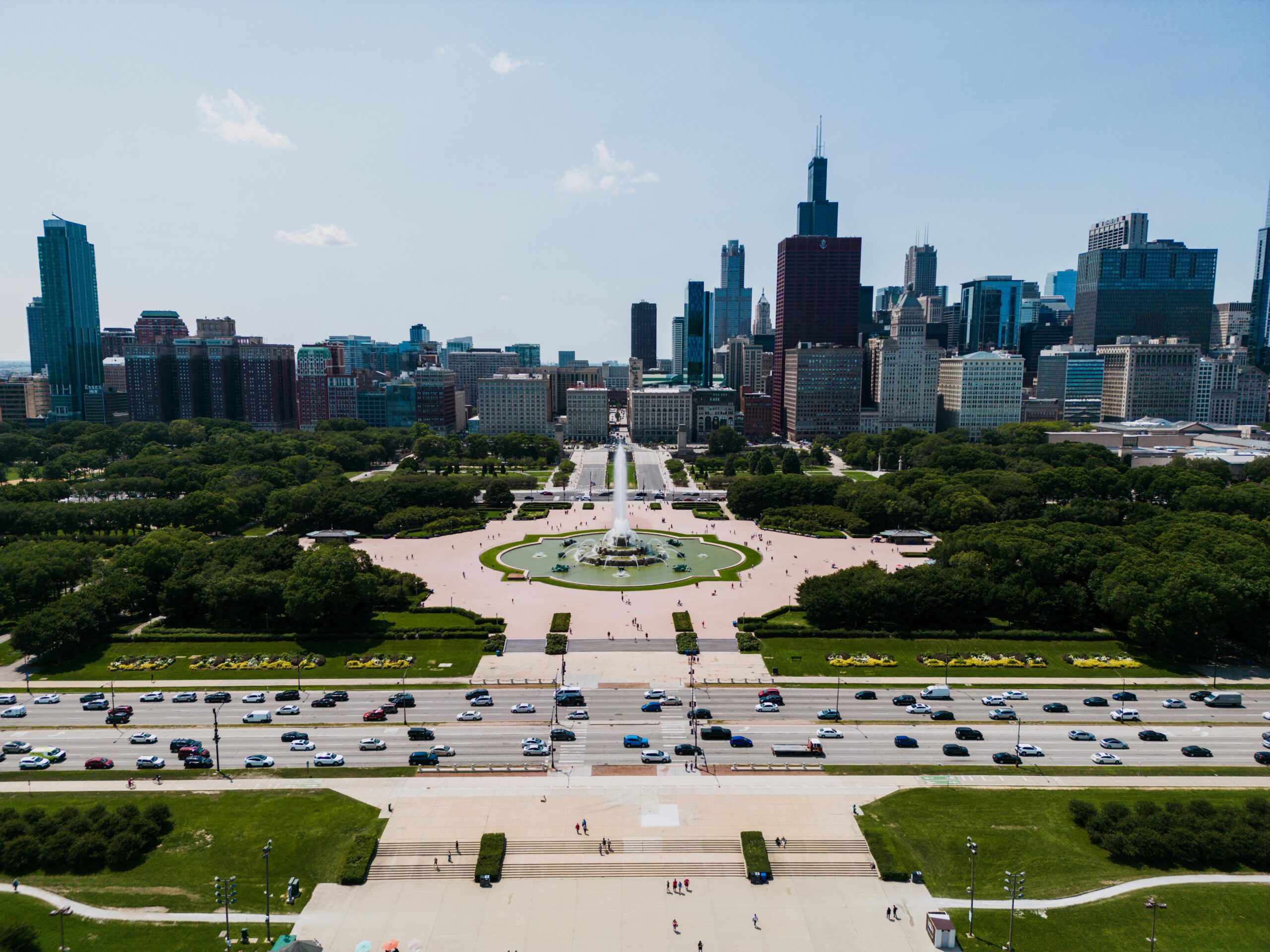
Tourism has long been one of Chicago’s most powerful economic engines, fueling jobs, small businesses, cultural institutions, and public revenue. Yet in recent years, the city has faced increasing competition from other major U.S. destinations that are investing aggressively in tourism promotion, infrastructure, and visitor experience.
The proposal to establish a Tourism Improvement District (TID) offers Chicago a chance to strengthen its tourism sector at a critical moment. While the concept has sparked debate, supporters argue that a well-designed TID could provide stable funding, sharpen Chicago’s global brand, and help the city compete more effectively in an increasingly crowded tourism marketplace.

What Is a Tourism Improvement District?
A Dedicated Funding Model
A Tourism Improvement District is a designated area—typically including hotels and tourism-related businesses—where a small, voter-approved assessment is collected and reinvested directly into tourism promotion and services.
Key features include:
- Funds dedicated exclusively to tourism-related purposes
- Oversight by a board representing assessed businesses
- Long-term, predictable funding beyond annual city budgets
Unlike general taxes, TID revenues cannot be diverted to unrelated uses.
How a TID Would Work in Chicago
In Chicago’s case, a proposed TID would likely:
- Be funded primarily through hotel assessments
- Support marketing, convention attraction, and visitor services
- Complement—not replace—existing tourism funding
The goal is to provide consistency and scale in promotion efforts.
Why Chicago’s Tourism Sector Needs Support Now
Intense Competition From Peer Cities
Cities such as:
- New York
- Las Vegas
- Orlando
- Los Angeles
already operate tourism improvement districts or similar mechanisms, giving them a funding advantage when bidding for major conventions and events.
Without comparable tools, Chicago risks falling behind.
Post-Pandemic Shifts in Travel
Although tourism has rebounded, patterns have changed:
- Convention planners are more selective
- Leisure travelers compare destinations aggressively
- Cities must invest more to capture attention
Marketing alone is no longer enough—experience and perception matter.
Economic Benefits of a Strong Tourism Sector
Jobs and Small Businesses
Tourism supports:
- Hotels and restaurants
- Cultural institutions and museums
- Transportation and event services
- Retail and neighborhood businesses
A downturn in tourism disproportionately affects lower- and middle-income workers.
Public Revenue Without Resident Taxes
Tourism dollars:
- Generate hotel, sales, and amusement taxes
- Fund city services without raising property or income taxes
- Are largely paid by visitors rather than residents
A stronger tourism sector benefits city finances broadly.
How a TID Could Strengthen Chicago
Stable, Long-Term Funding
Annual tourism budgets are vulnerable to:
- Political shifts
- Economic downturns
- Competing priorities
A TID provides multi-year funding certainty, allowing for strategic planning rather than short-term fixes.
Improved Convention and Event Attraction
Large conventions bring:
- Tens of thousands of visitors
- Midweek hotel occupancy
- Spillover benefits across neighborhoods
Dedicated funding helps Chicago remain competitive in the convention market.
Brand and Reputation Management
Perceptions of safety, cleanliness, and vibrancy influence travel decisions. A TID can:
- Support positive messaging
- Address misconceptions
- Coordinate visitor experience improvements
Tourism is as much about confidence as amenities.
Concerns and Criticisms
Cost to Hotels
Some hotel operators worry that:
- Assessments could be passed on to guests
- Higher room rates could reduce competitiveness
Supporters counter that cities with TIDs have not seen long-term declines in demand.
Governance and Accountability
Critics stress the importance of:
- Transparent oversight
- Clear performance metrics
- Equitable representation on governing boards
A poorly managed TID could undermine public trust.
Equity and Neighborhood Inclusion
Questions remain about:
- Whether benefits extend beyond downtown
- How neighborhood attractions are promoted
- Ensuring tourism growth does not worsen inequality
Inclusive planning is essential.
Lessons From Other Cities
Cities with established TIDs have reported:
- Higher convention bookings
- Increased international visibility
- More consistent tourism investment
However, success depends on governance quality, stakeholder buy-in, and alignment with city goals.
The Bigger Picture: Tourism as Economic Strategy
Tourism is not just about visitors—it is about:
- Global competitiveness
- Job creation
- Cultural exchange
- City reputation
In an era of remote work and mobile capital, cities must actively market themselves.
What Happens If Chicago Does Nothing?
Without additional investment:
- Chicago risks losing major conventions
- Tourism marketing could stagnate
- Competing cities may capture market share
The cost of inaction may exceed the cost of participation.
Frequently Asked Questions (FAQs)
What is the main purpose of a Tourism Improvement District?
To provide dedicated, stable funding for tourism promotion and visitor services.
Who pays for a TID?
Typically hotels and tourism-related businesses within the district, not residents.
Does a TID raise taxes on Chicagoans?
No. The assessment is paid primarily by visitors through hotel stays.
Have other cities benefited from TIDs?
Yes. Many major U.S. cities use them successfully to boost tourism competitiveness.
What are the risks?
Poor governance, lack of transparency, or unequal distribution of benefits.
How can Chicago ensure accountability?
Through clear oversight structures, regular reporting, and stakeholder representation.
Is tourism really that important to Chicago’s economy?
Yes. Tourism supports thousands of jobs and generates significant public revenue.
Conclusion
A Tourism Improvement District is not a silver bullet—but it is a proven tool that could help Chicago compete more effectively in a global tourism economy. With thoughtful design, transparent governance, and inclusive planning, a TID could strengthen tourism while delivering broad economic benefits to the city.
In a competitive landscape where cities invest aggressively in their brands and visitor economies, backing a Tourism Improvement District may be less about taking a risk—and more about avoiding the risk of falling behind.

Sources Chicago Business

