
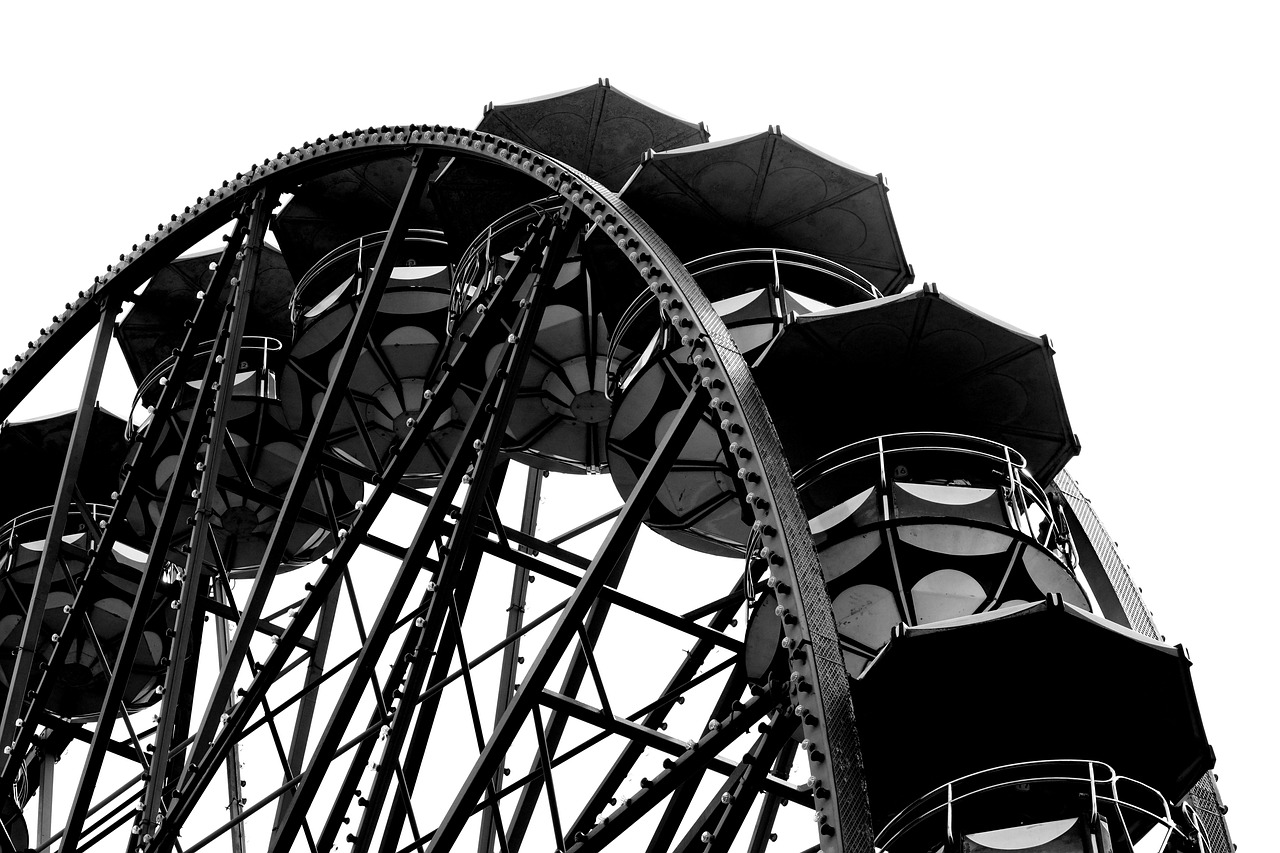
The closure of a major theme park is rarely just a business decision. For the surrounding region, it can feel like the sudden removal of a heartbeat—quietly sustaining hotels, restaurants, transport services, and thousands of livelihoods.
Following the recent shutdown of a well-known theme park, concerns are mounting about the long-term impact on the local tourism industry. While headlines focus on lost rides and disappointed visitors, the deeper consequences reach far beyond the park’s gates.
This moment highlights how dependent modern tourism economies can become on a single attraction—and how vulnerable that dependence makes them.
1. Theme parks as economic anchors
Large theme parks function as anchor attractions, drawing visitors who then spend money across an entire region.
Their presence typically supports:
- Hotels and short-term rentals
- Restaurants, cafes, and pubs
- Transport providers and tour operators
- Retail shops and local attractions
Even visitors who never enter the park often come because it exists. When it closes, that entire ecosystem feels the loss.
2. Why theme parks struggle in today’s tourism market
Theme park closures are rarely caused by a single factor. Common pressures include:
- Rising operational and energy costs
- Increased insurance and safety compliance expenses
- Competition from global mega-parks and immersive attractions
- Shifts in consumer behavior toward experiences and short breaks
- Weather volatility affecting outdoor attendance
In some cases, parks fail not because demand disappears—but because margins shrink to unsustainable levels.
3. The immediate tourism fallout
When a flagship attraction shuts down, the impact is swift.
Local tourism boards often report:
- Sudden drops in hotel bookings
- Canceled group travel and school trips
- Reduced foot traffic in nearby towns
- Shortened visitor stays
Destinations that relied on the park as a “must-see” lose a powerful reason for tourists to choose them over competitors.
4. Job losses ripple beyond the park
Theme park employment extends far beyond ride operators.
Indirectly affected workers include:
- Hospitality staff
- Seasonal workers and students
- Food suppliers and maintenance contractors
- Event organizers and entertainers
The loss of stable, seasonal employment can hit young people and lower-income workers hardest—often with few local alternatives.
5. The psychological impact on communities
For many communities, a theme park is part of local identity.
Its closure can trigger:
- Loss of pride and morale
- Fear about the area’s future
- Reduced confidence among investors
- Anxiety for small business owners
Tourism is emotional as well as economic. When a symbol of prosperity disappears, uncertainty fills the gap.
6. Overreliance on single attractions: a structural risk
The shutdown exposes a long-standing vulnerability in tourism planning.
Regions that depend heavily on one attraction often struggle because:
- Tourism marketing becomes too narrow
- Investment clusters around one site
- Alternative experiences are underdeveloped
When the anchor fails, there is little to cushion the fall.

7. Can destinations recover after a theme park closes?
Recovery is possible—but it requires reinvention.
Successful strategies include:
- Diversifying attractions (nature, culture, events)
- Repurposing park sites for mixed-use tourism
- Promoting local heritage and independent experiences
- Supporting small businesses through transition periods
Recovery takes time, but it can lead to a more resilient tourism model.
8. What happens to the theme park site?
Closed parks present difficult choices:
- Demolition vs redevelopment
- Environmental remediation
- Attracting new investors
- Balancing community input with commercial interests
In some cases, former parks become:
- Event venues
- Nature reserves
- Film locations
- Mixed leisure and housing developments
What replaces a theme park often defines the region’s next identity.
9. Lessons for the wider tourism industry
This closure offers a cautionary lesson.
Tourism planners are increasingly recognizing that:
- Resilience matters more than scale
- Variety protects against shocks
- Local experiences can complement major attractions
- Sustainability includes economic stability
The future of tourism may depend less on spectacle—and more on balance.
10. What visitors might notice next
For tourists returning to the area:
- Fewer accommodation options
- Reduced seasonal services
- New marketing focused on alternative attractions
- A quieter, less crowded atmosphere
The destination may feel different—but not necessarily worse.
Conclusion: A turning point, not just an ending
The closure of a theme park is undeniably painful for workers, businesses, and communities. But it can also serve as a moment of reckoning.
If destinations treat the loss as an opportunity to diversify, invest locally, and rethink what draws visitors in the first place, recovery is possible—and sometimes stronger than before.
Tourism thrives on imagination. The challenge now is imagining a future beyond the park gates.
Frequently Asked Questions (FAQ)
1. Why did the theme park shut down?
Typically due to rising costs, competition, and changing visitor behavior.
2. How does this affect local tourism?
It often leads to fewer visitors, shorter stays, and reduced spending.
3. Are jobs lost outside the park itself?
Yes. Many indirect jobs in hospitality and services are affected.
4. Can tourism recover after such a closure?
Yes, but it requires diversification and strategic planning.
5. What happens to the land after closure?
It may be redeveloped, repurposed, or left vacant depending on investment and policy decisions.
6. Is this happening elsewhere?
Yes. Smaller and mid-sized theme parks globally face similar pressures.
7. Will visitors stop coming entirely?
Not usually—but numbers may drop until new attractions emerge.
8. How long does recovery take?
Often several years, depending on investment and leadership.
9. Can local businesses survive the transition?
With support and adaptation, many can—but some may struggle.
10. What’s the biggest lesson from this closure?
Tourism economies should avoid dependence on a single attraction.
Sources BBC

