
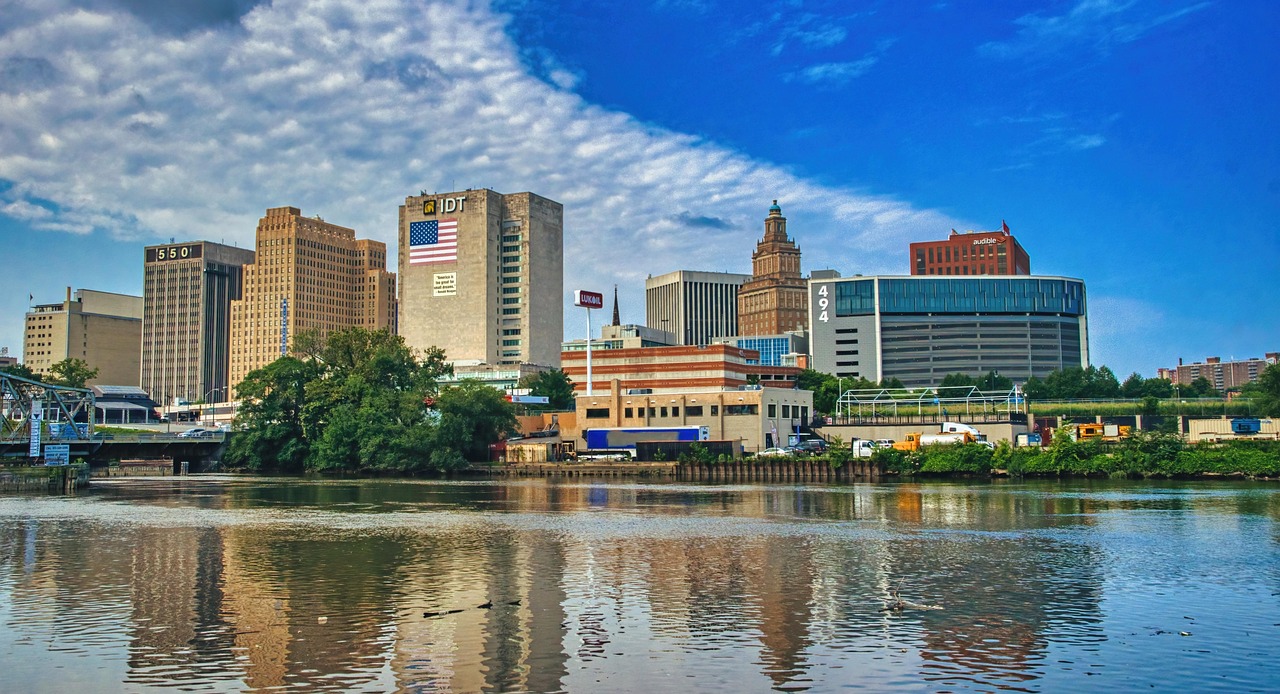
For much of the past half-century, Newark’s story was defined by decline, disinvestment, and missed opportunity. Today, a different narrative is taking shape—one rooted in downtown revitalization, cultural tourism, and coordinated civic leadership.
At the center of this transformation is the Newark Alliance, a public–private partnership working to promote economic development, tourism, and quality of life in New Jersey’s largest city. While progress is visible in new hotels, events, and foot traffic, the deeper story is about how Newark is redefining itself as a destination—not just a place people pass through.
1. Why downtown Newark matters to the city’s future
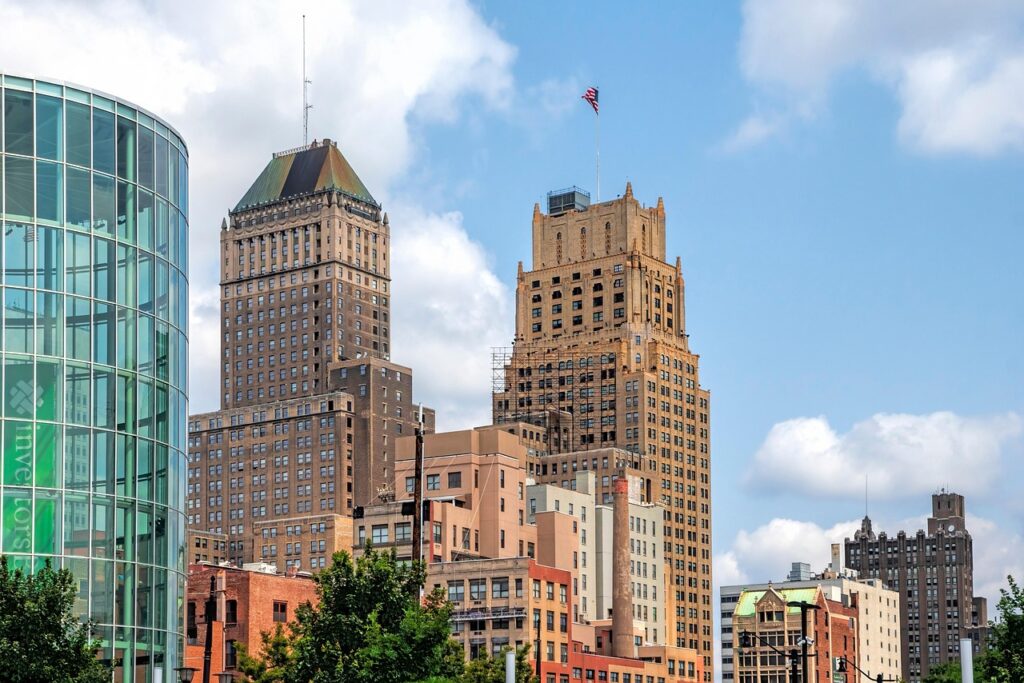
Downtown is Newark’s symbolic and economic core.
It concentrates:
- Major employers and institutions
- Transit hubs connecting New York City and the region
- Cultural venues and historic architecture
- Universities, hospitals, and corporate offices
Revitalizing downtown creates ripple effects—boosting jobs, tax revenue, and investor confidence across the city.
2. The Newark Alliance’s role: coordination over fragmentation
Urban renewal often fails when efforts are scattered. Newark Alliance’s strength lies in coordination.
Its approach emphasizes:
- Aligning business, government, and nonprofit goals
- Marketing Newark as a unified destination
- Supporting events that draw regional visitors
- Improving cleanliness, safety perception, and streetscape
Rather than replacing city government, the Alliance acts as a catalyst—connecting stakeholders who historically operated in silos.
3. Tourism as an economic development tool
Newark’s tourism strategy is not about mass sightseeing—it’s about intentional visitation.
Key drivers include:
- The New Jersey Performing Arts Center (NJPAC)
- Prudential Center concerts and sports events
- A growing hotel inventory downtown
- Food, arts, and cultural festivals
- Proximity to Newark Liberty International Airport
Tourism brings short-term spending—but also long-term visibility.
4. Changing perceptions: Newark as a destination, not a detour
One of Newark’s biggest obstacles has been perception.
For years, many visitors:
- Passed through the city without stopping
- Associated Newark only with the airport
- Overlooked cultural and historical assets
Downtown activation—events, lighting, pedestrian activity—helps rewrite that narrative by making the city feel welcoming and alive.
5. The role of institutions and anchors
Large institutions are central to downtown’s momentum.
These include:
- Universities like Rutgers-Newark and NJIT
- Major employers and corporate headquarters
- Hospitals and research centers
Their presence ensures a steady population of students, workers, and visitors—supporting restaurants, retail, and entertainment.
6. Infrastructure and accessibility advantages
Few U.S. cities have Newark’s transit connectivity.
Downtown benefits from:
- Direct rail access to Manhattan
- Regional bus and train hubs
- Proximity to an international airport
- Walkable connections between venues
This accessibility makes Newark attractive for conferences, events, and short-stay visitors.

7. Small businesses and local culture
Tourism growth is most sustainable when it lifts local enterprise.
Downtown Newark’s revival increasingly includes:
- Locally owned restaurants and bars
- Arts spaces and galleries
- Black-owned and immigrant-owned businesses
- Street-level retail activated by events
Supporting these businesses ensures tourism dollars circulate within the community.
8. Challenges that remain
Despite progress, Newark’s revival is not without risk.
Key challenges include:
- Ensuring affordability for residents and small businesses
- Avoiding displacement through rising rents
- Maintaining safety and cleanliness consistently
- Making sure benefits extend beyond downtown
Growth without equity can undermine long-term success.
9. Measuring success beyond visitor numbers
Newark’s strategy increasingly focuses on quality over quantity.
Success indicators include:
- Longer visitor stays
- Repeat visits for events and dining
- Increased hotel occupancy
- Positive media coverage
- Stronger resident satisfaction
Tourism is a means—not an end.
10. What Newark’s experience offers other cities
Newark’s revival holds lessons for post-industrial cities nationwide:
- Leverage existing assets rather than chasing megaprojects
- Build partnerships across sectors
- Invest in perception as well as infrastructure
- Use culture and events to activate space
- Balance growth with community needs
Downtowns don’t revive overnight—but momentum compounds.
Conclusion: Newark’s comeback is strategic, not accidental
Newark’s growing tourism and downtown vitality are the result of deliberate collaboration, not chance. Through coordinated leadership, investment in culture, and a focus on experience, the city is carving out a distinct identity within the Northeast corridor.
The work is unfinished—but the direction is clear. Newark is no longer just a gateway city. It’s becoming a destination in its own right.
Frequently Asked Questions (FAQ)
1. What is the Newark Alliance?
A public–private partnership focused on economic development, tourism, and quality of life in Newark.
2. Why is downtown Newark a tourism focus?
It concentrates cultural venues, transit access, hotels, and events that attract visitors.
3. Is Newark becoming a major tourist city?
Not in the mass-tourism sense—but it is growing as an event, culture, and business destination.
4. What attracts visitors to Newark?
Concerts, sports, performing arts, food, festivals, and proximity to New York City.
5. How does tourism benefit Newark residents?
Through jobs, small-business support, tax revenue, and improved public spaces.
6. Are there concerns about gentrification?
Yes. Balancing growth with affordability and inclusion is an ongoing challenge.
7. How important is transit to Newark’s success?
Critical. Accessibility is one of the city’s strongest advantages.
8. Does Newark compete with New York City?
More often, it complements it—offering alternative venues and experiences.
9. What role do universities play?
They provide population density, innovation, and cultural activity downtown.
10. What’s next for downtown Newark?
Continued investment in events, infrastructure, small businesses, and inclusive growth.
Sources NJBiz

