
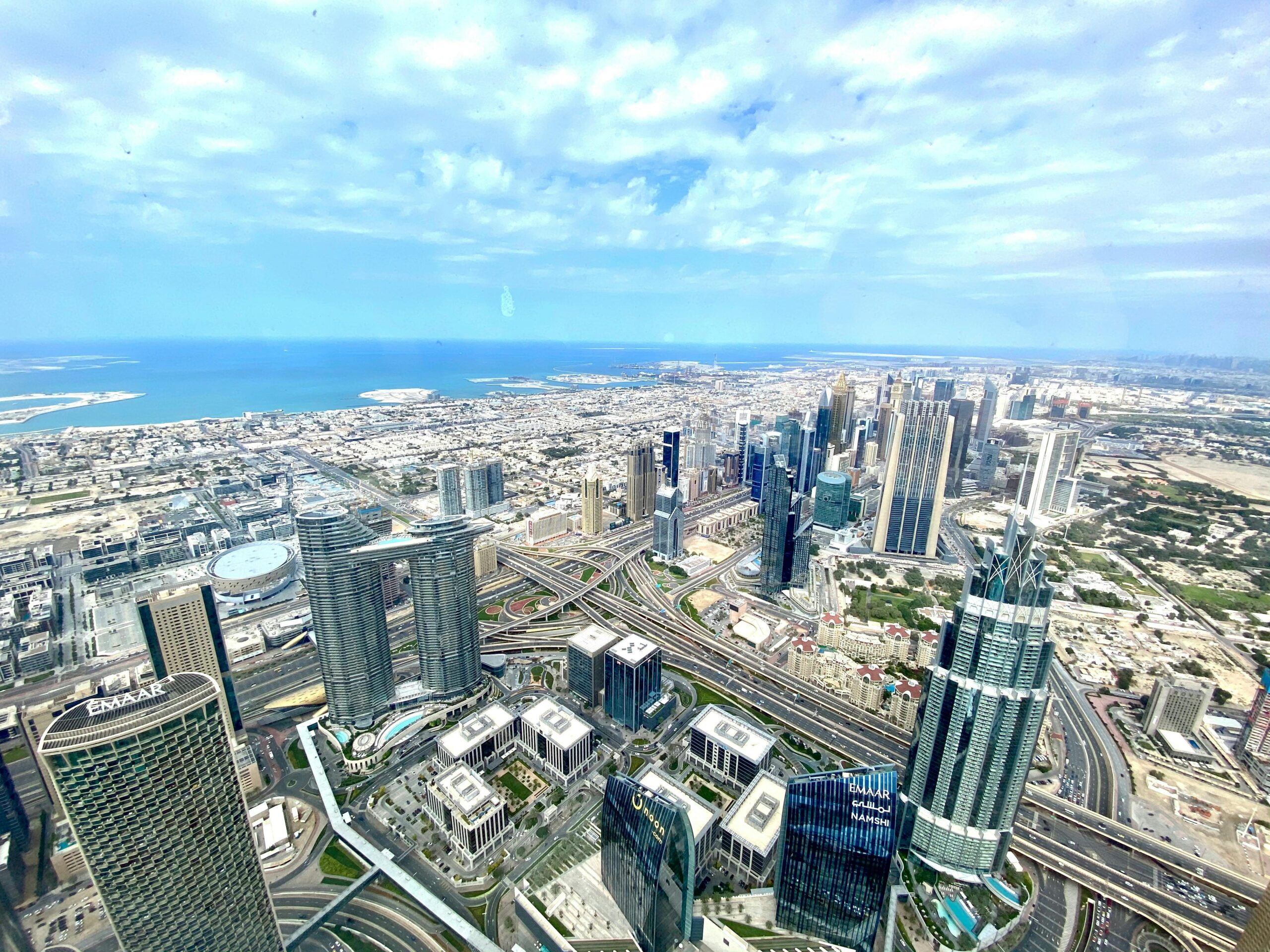
Global tourism is no longer just rebounding — it is reshaping itself.
In 2026, some destinations are seeing record-breaking growth, outpacing traditional tourism giants and surprising analysts. From emerging Middle Eastern megaprojects to lesser-known African and Southeast Asian hotspots, the map of global travel demand is shifting.
But rapid tourism growth is not simply a sign of popularity. It reflects deeper forces: geopolitics, air connectivity, currency shifts, digital nomad culture, climate adaptation, and social media influence.
The question is not only where tourism is growing fastest — but whether that growth is sustainable.
1. The Middle East: Strategic expansion powered by investment
Several Gulf nations are experiencing some of the fastest tourism growth rates globally.
Key drivers include:
- Massive infrastructure investments
- New airline routes and expanded capacity
- Mega-events and global sports tournaments
- Visa reforms and simplified entry processes
Countries such as Saudi Arabia, the UAE, and Qatar are aggressively positioning themselves as global leisure and business hubs. Luxury resorts, entertainment complexes, and futuristic urban projects are drawing visitors at scale.
State-backed investment, combined with strong air connectivity, accelerates growth in ways few regions can replicate.
2. Southeast Asia: Currency advantage and experience-driven travel
Southeast Asia remains one of the world’s most dynamic tourism regions.
Growth in countries such as:
- Vietnam
- Indonesia
- Thailand (in secondary cities)
- The Philippines
is driven by:
- Competitive pricing
- Strong digital nomad communities
- Improved regional air networks
- Social media-fueled destination discovery
Travelers seeking affordability without sacrificing experience are increasingly turning to these markets.
3. Sub-Saharan Africa: Adventure and conservation appeal
Several African destinations are seeing strong percentage growth, even if starting from smaller baselines.
Countries gaining traction include:
- Rwanda (eco and gorilla tourism)
- Namibia (desert landscapes and conservation)
- Tanzania (safaris and Zanzibar beaches)
Adventure travel, wildlife tourism, and sustainability branding appeal strongly to high-spending travelers.
Improved infrastructure and regional flight networks are supporting this expansion.
4. Eastern Europe and the Balkans: Alternative European appeal
As travelers look beyond traditional Western European capitals, destinations in:
- Albania
- Montenegro
- Romania
- Georgia
are experiencing notable growth.
Factors include:
- Lower prices compared to Paris or Rome
- Scenic coastlines and mountains
- Cultural authenticity
- Growing boutique hospitality sectors
These countries benefit from travelers seeking “undiscovered” Europe.
5. Latin America: Diversification and digital nomads
In Latin America, growth is strong in countries that combine affordability with lifestyle appeal.
Examples include:
- Colombia
- El Salvador
- Costa Rica (though facing currency pressure)
- Mexico’s emerging regional cities
Remote work flexibility continues to influence longer stays and repeat visits.
6. Air connectivity as the single biggest accelerator
One consistent pattern across fast-growing destinations is improved air access.
When countries:
- Open new international routes
- Expand airport capacity
- Partner with major carriers
tourism growth often follows quickly.
Airlines shape tourism geography.

7. Visa reform and policy flexibility
Streamlined visa processes significantly boost tourism growth.
Countries that:
- Offer visa-free entry
- Implement digital visa systems
- Reduce bureaucratic hurdles
attract more spontaneous travelers.
Policy simplicity can outperform marketing campaigns.
8. Social media and influencer-driven exposure
A single viral video can introduce millions to a previously obscure location.
Platforms like TikTok and Instagram drive:
- Surge travel to scenic natural sites
- Popularity of niche cultural festivals
- Food tourism trends
However, viral growth can strain fragile ecosystems.
9. Risks of rapid tourism expansion
Fast growth carries challenges:
- Infrastructure strain
- Rising housing costs for locals
- Environmental degradation
- Overtourism in fragile ecosystems
Destinations that grow too quickly without planning may face backlash.
10. Climate and seasonal shifts
Climate change is influencing tourism geography.
Some cooler destinations are benefiting from:
- Travelers avoiding extreme heat in traditional hotspots
- Shifts in peak travel seasons
- Increased interest in temperate regions
Climate resilience may increasingly shape growth trajectories.
11. The economic multiplier effect
Rapid tourism growth often produces:
- Job creation
- Foreign currency inflows
- Increased infrastructure investment
- Growth in small and medium enterprises
But equitable distribution of these benefits remains a policy challenge.
12. Sustainability as a competitive advantage
The fastest-growing destinations in 2026 are increasingly those that combine:
- Natural beauty
- Cultural depth
- Environmental stewardship
Travelers are more conscious of impact than ever before.
Growth aligned with sustainability may prove more durable than volume-driven expansion.
Conclusion: Growth is opportunity — and responsibility
Tourism growth in 2026 is not centered in one region. It is distributed across emerging markets, investment-driven economies, and digitally discovered destinations.
The countries growing fastest are those that combine accessibility, affordability, and strong storytelling. But growth alone is not success.
The true measure will be whether destinations can manage expansion without losing what made them attractive in the first place.
Frequently Asked Questions (FAQ)
1. Which regions are seeing the fastest tourism growth in 2026?
Parts of the Middle East, Southeast Asia, Africa, Eastern Europe, and Latin America.
2. What drives rapid tourism growth?
Air connectivity, visa reform, competitive pricing, and social media exposure.
3. Are traditional destinations declining?
Not necessarily, but growth rates are often higher in emerging markets.
4. Does fast growth lead to overtourism?
It can if infrastructure and regulation do not keep pace.
5. How important are airlines in tourism growth?
Extremely important — new routes often trigger demand.
6. Are digital nomads influencing trends?
Yes, especially in Southeast Asia and Latin America.
7. Is sustainability linked to growth?
Increasingly, yes. Responsible tourism enhances long-term appeal.
8. Can climate change shift tourism patterns?
Yes, travelers are adapting to heat and seasonal extremes.
9. Do visa policies matter?
Absolutely — easier entry often boosts arrivals.
10. What’s the biggest takeaway?
The global tourism map is evolving, with emerging destinations capturing increasing demand.

Sources BBC

