
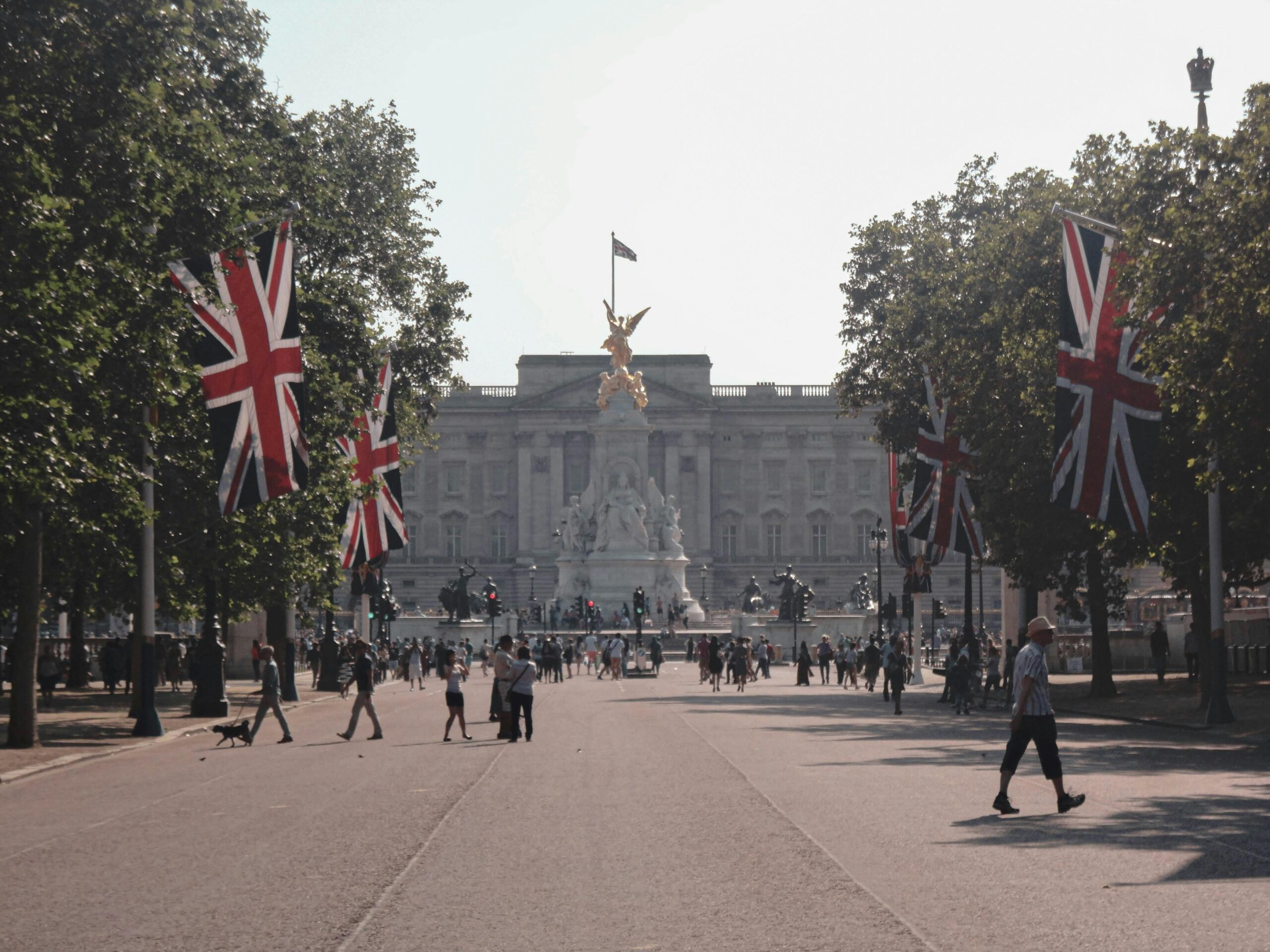
London has long been synonymous with luxury. From Savile Row tailoring to Bond Street boutiques, from Claridge’s suites to private members’ clubs in Mayfair, the UK capital once stood as a magnet for the world’s wealthiest travelers.
Yet in recent years, Britain’s grip on luxury tourism has weakened. Policy changes, tax reforms, post-Brexit complexities, and fierce competition from European neighbors have reshaped the high-end travel landscape.
Now, as global luxury tourism rebounds, the question looms: Can the UK reclaim its status as a premier destination for affluent travelers — or has the competitive advantage shifted elsewhere?
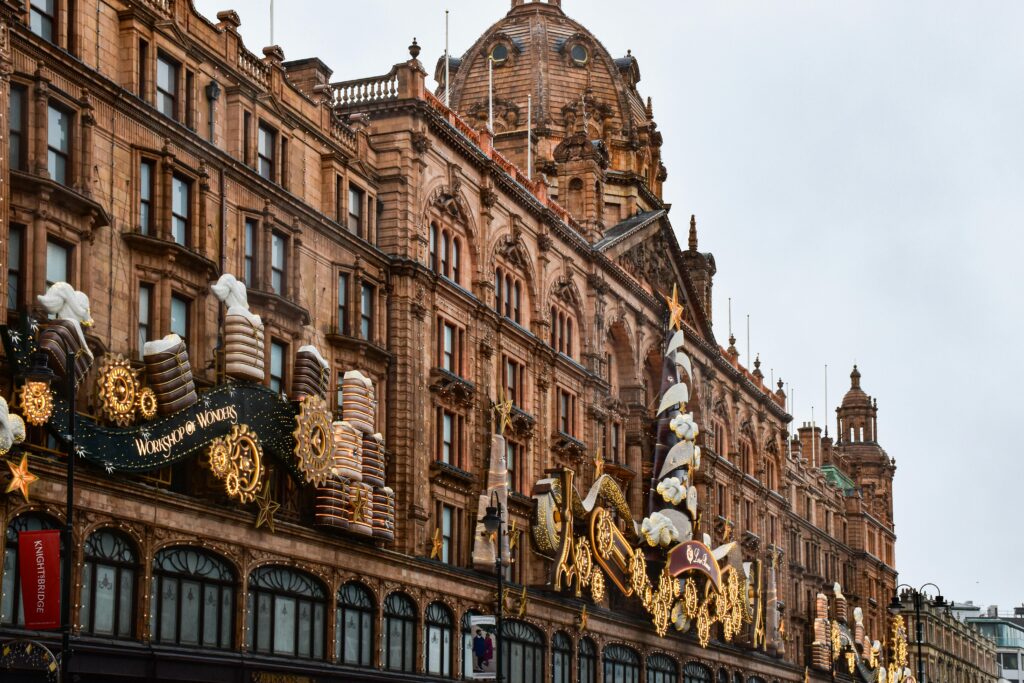
The VAT Refund Debate: A Defining Factor
One of the most frequently cited turning points in Britain’s luxury tourism trajectory was the removal of VAT-free shopping for overseas visitors.
Previously, non-UK tourists could reclaim value-added tax on purchases — a powerful incentive for high-spending travelers, particularly from:
- China
- The Middle East
- The United States
- Southeast Asia
Luxury goods often cost significantly less when VAT refunds were applied. Since the removal of this scheme, shoppers have increasingly redirected spending to cities like Paris, Milan, and Madrid, where tax-free shopping remains available.
Retailers argue that reinstating VAT refunds would provide an immediate boost to:
- High-end department stores
- Designer boutiques
- Private shopping experiences
- Luxury hospitality tied to retail tourism
The UK government, however, has cited fiscal constraints in resisting reinstatement.
Currency Fluctuations: A Double-Edged Sword
A weaker pound can make Britain more affordable for foreign visitors. But currency advantages alone may not offset structural policy differences.
Luxury travelers are less price-sensitive than mass-market tourists — yet they are highly strategic. When shopping and tax incentives differ across Europe, they often plan itineraries accordingly.
In a competitive luxury market, marginal differences matter.
Europe’s Growing Luxury Advantage
Cities across continental Europe have strengthened their appeal to high-net-worth travelers.
Paris has doubled down on:
- Haute couture experiences
- Michelin-starred dining
- Exclusive cultural access
Italy offers:
- Private villa rentals
- Luxury train journeys
- Heritage craftsmanship
Spain and Portugal have expanded luxury coastal resorts and urban boutique hotels.
In comparison, the UK faces questions about whether it is matching the pace of reinvention.
The Experience Economy: Beyond Retail
Modern luxury travel is increasingly experience-driven.
Affluent travelers seek:
- Private museum tours
- After-hours gallery access
- Personalized heritage experiences
- Wellness retreats
- Culinary immersion with renowned chefs
The UK has strong cultural assets — royal heritage, historic estates, world-class theater — but must package these in ways that feel exclusive and contemporary.
Luxury is shifting from acquisition to access.
Aviation and Connectivity Challenges
High-end tourism depends heavily on seamless international access.
Key factors include:
- Direct long-haul flights
- Premium cabin availability
- Efficient airport experience
- Private jet infrastructure
While London remains well-connected, emerging hubs in the Middle East and Europe are investing heavily in premium airport experiences that appeal to affluent travelers.
The first impression of a destination often begins at the terminal.
The Role of Sustainability in Luxury Travel
Wealthy travelers are increasingly conscious of environmental impact.
Luxury brands are responding with:
- Carbon-neutral hotel initiatives
- Sustainable sourcing in restaurants
- Eco-certified properties
- Conservation-driven experiences
The UK’s countryside estates and coastal regions could leverage sustainability as a competitive advantage — if positioned effectively.
Post-Brexit Perception and Administrative Complexity
While the UK remains open to international visitors, Brexit introduced administrative friction that can influence perception.
Visa policies, border procedures, and travel documentation complexity may subtly shape decision-making for certain markets.
Luxury travelers prioritize ease. Even small inconveniences can redirect itineraries.
London’s Unique Strengths
Despite challenges, the UK retains substantial assets:
- A global financial center attracting business elites
- World-renowned universities drawing international families
- A vibrant arts and theater scene
- Royal pageantry unmatched elsewhere
Events such as fashion weeks, art fairs, and high-profile sporting tournaments continue to attract global attention.
Brand Britain remains powerful — but must adapt to evolving expectations.
Competing for the Ultra-High-Net-Worth Traveler
The ultra-wealthy segment seeks hyper-personalization.
Destinations competing in this space offer:
- Private island experiences
- Bespoke concierge services
- Exclusive members-only access
- Investment-linked residency opportunities
The UK may need to expand tailored offerings for this demographic, blending hospitality with investment and lifestyle incentives.
Regional Opportunity Beyond London
Luxury tourism in the UK does not need to be London-centric.
Opportunities exist in:
- Scottish Highlands estates
- English countryside manor retreats
- Welsh coastal boutique lodges
- Lake District wellness escapes
Dispersing luxury tourism geographically could also address overtourism concerns in central London.
The Policy Crossroads
Reclaiming luxury tourists may require policy recalibration.
Options include:
- Revisiting VAT refund policy
- Incentivizing luxury retail partnerships
- Expanding visa-free agreements
- Supporting high-end hospitality investment
Luxury tourism delivers outsized economic impact per visitor. Strategic alignment between government and industry could determine competitiveness.
Conclusion: Reinvention, Not Restoration
The UK does not need to return to an old model of luxury tourism — it needs to redefine it.
Today’s affluent travelers prioritize seamless travel, cultural authenticity, sustainability, and exclusivity. Retail incentives remain important, but they are only one piece of the equation.
Britain’s heritage, creativity, and global reputation provide a strong foundation. Whether it can convert those strengths into renewed luxury momentum will depend on agility, innovation, and strategic policy choices.
Luxury tourism is not static. The destinations that win are those that evolve.
Frequently Asked Questions (FAQ)
1. Why has the UK lost some luxury tourists?
Primarily due to the removal of VAT-free shopping and increased competition from European cities.
2. Is VAT refund policy that important?
Yes, particularly for high-spending international shoppers.
3. Are luxury travelers price-sensitive?
Less than mass-market tourists, but they respond to comparative value.
4. How can the UK compete without VAT refunds?
By enhancing exclusive experiences, improving ease of travel, and investing in high-end hospitality.
5. Is London still a luxury hub?
Yes, but it faces stronger competition than in previous decades.
6. Does Brexit affect tourism?
Administrative changes may influence perception and convenience.
7. What role does sustainability play?
An increasingly important one, especially among affluent younger travelers.
8. Can regional UK destinations benefit?
Yes, particularly countryside estates and heritage properties.
9. Is luxury tourism economically significant?
Yes, high-end visitors spend disproportionately more per trip.
10. What is the key takeaway?
The UK must innovate and adapt to remain competitive in the evolving global luxury tourism market.
Sources Vogue Business

