
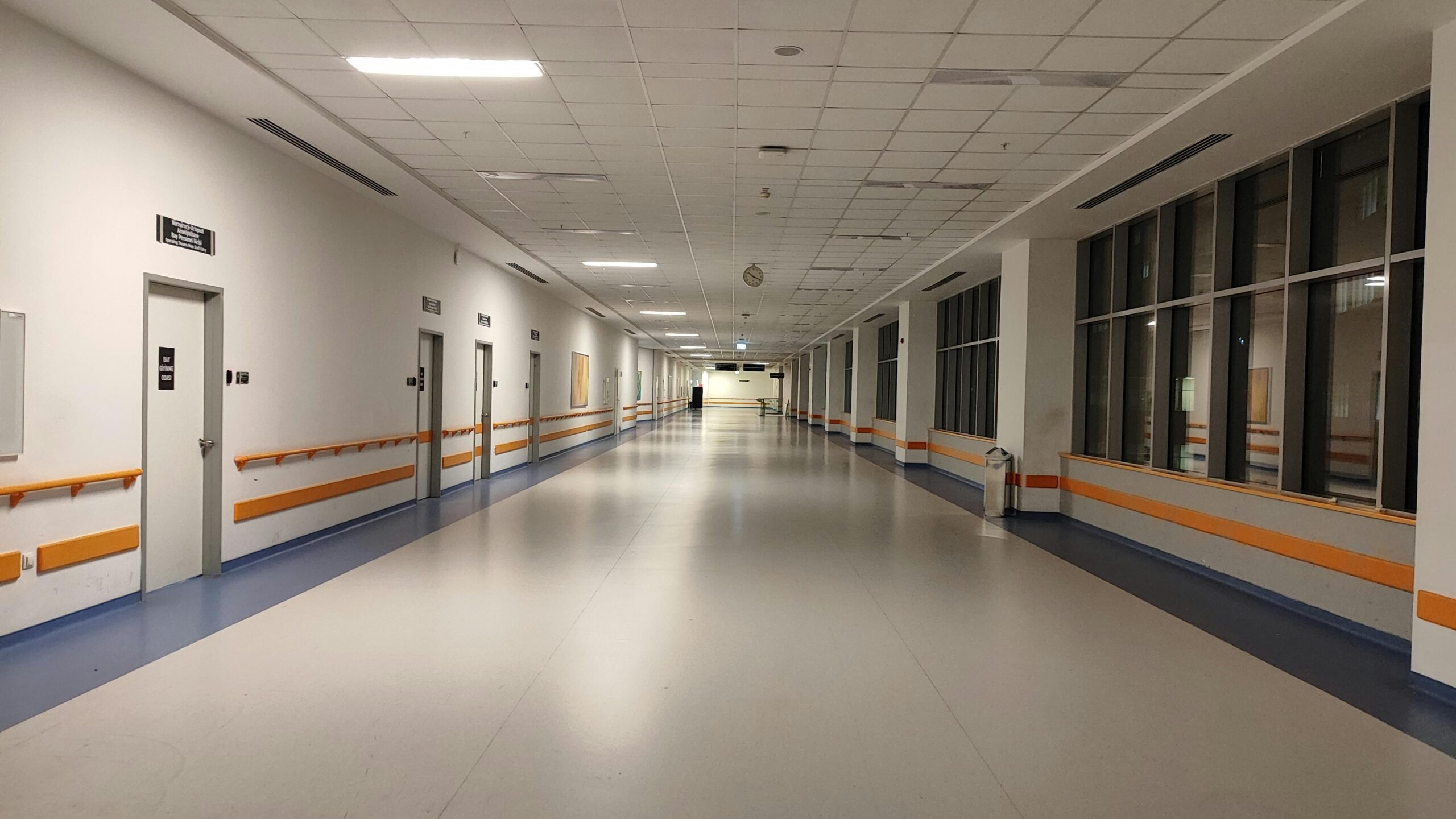
Medical tourism — traveling abroad to receive medical care — is increasingly capturing the attention of Americans frustrated by the high costs and complexity of healthcare in the United States. A recent story about an American family seeking affordable care in Turkey has highlighted this growing trend and sparked broader discussions about global healthcare access. This article expands on that story, explores the forces driving medical tourism, and explains what patients should consider before seeking care overseas.

A Family’s Eye-Opening Experience in Istanbul
An American family from Texas recently shared how they paid approximately $1,300 per person for a full day of comprehensive medical services in Istanbul. The services included bloodwork, advanced scans, cardiac testing, physician consultations, and even hospitality amenities such as meals. They described the experience as efficient, comfortable, and dramatically less expensive than comparable care in the United States, where similar diagnostic packages can cost several thousand dollars.
Frustrated by rising insurance premiums, high deductibles, and unexpected medical bills at home, the family explored international health insurance options that provided broader coverage outside the United States. Their positive experience with overseas healthcare ultimately influenced their decision to relocate abroad, seeking a lower cost of living and more predictable healthcare expenses.
Why Americans Are Exploring Medical Tourism
1. Rising Healthcare Costs in the United States
Healthcare spending in the U.S. remains among the highest globally. Even insured patients often face significant out-of-pocket expenses due to deductibles, co-payments, and uncovered services. Preventive screenings, diagnostic tests, and elective procedures can quickly become financially burdensome. These pressures are encouraging families to seek cost-effective alternatives.
2. Significant Cost Savings in Turkey
Turkey has become one of the world’s leading medical tourism destinations due to pricing that is often 50–80% lower than in the United States. The cost differences are influenced by currency exchange rates, lower operational expenses, and government support for private healthcare infrastructure. Patients frequently find that even after airfare and accommodation costs, the total expense is substantially less than domestic treatment.
3. Modern Facilities and International Standards
Turkey has invested heavily in advanced healthcare infrastructure. Many hospitals are internationally accredited and equipped with modern medical technology. Physicians often receive international training and serve a global patient base, enhancing confidence among foreign visitors.
4. Shorter Wait Times
In some healthcare systems, patients wait weeks or months for specialist appointments or elective procedures. Medical tourists often benefit from streamlined scheduling, allowing consultations, testing, and treatment to occur within days.
5. All-Inclusive Medical Packages
Many Turkish healthcare providers offer comprehensive packages that include airport transfers, hotel accommodations, translation services, and follow-up consultations. This integrated approach simplifies logistics and makes the process less stressful for international patients.
Common Treatments Sought in Turkey
Medical tourism extends beyond cosmetic procedures. Popular services include:
- Preventive health screenings and executive checkups
- Cosmetic and reconstructive surgeries
- Dental procedures such as implants and veneers
- Fertility treatments
- Orthopedic and spinal surgeries
- Bariatric (weight loss) surgery
- Specialized treatments for chronic conditions
Patients often combine treatment with tourism, allowing time for recovery while experiencing local culture and attractions.

Economic and Strategic Growth of Turkey’s Medical Sector
Medical tourism is now a significant contributor to Turkey’s economy. The country has strategically positioned itself as a global healthcare hub by investing in hospital infrastructure, training medical professionals, and promoting services internationally. This growth has attracted millions of international patients annually.
The development of a strong tourism sector alongside healthcare services has further strengthened Turkey’s appeal, creating an ecosystem where travel convenience and medical care intersect.
Important Considerations Before Traveling for Healthcare
While medical tourism can offer substantial benefits, careful planning is essential.
Accreditation and Quality Assurance
Patients should verify that hospitals are internationally accredited and that physicians hold recognized certifications. Researching reviews and requesting detailed treatment plans in advance is advisable.
Continuity of Care
Follow-up care after returning home is an important consideration. Patients should ensure they receive medical records, imaging results, and clear aftercare instructions.
Insurance and Legal Protections
Most U.S. insurance plans do not cover procedures performed abroad. Patients may need specialized international health insurance. Additionally, malpractice laws differ by country, which may affect legal recourse in case of complications.
Travel Health Risks
Long-distance travel shortly before or after surgery carries risks such as blood clots. Physicians should advise patients on safe travel timelines.
Communication
Although many facilities provide English-speaking staff, confirming language support ahead of time helps avoid misunderstandings.
Frequently Asked Questions
Is medical tourism safe?
It can be safe when patients choose reputable, accredited facilities and conduct thorough research. Standards vary by provider, so due diligence is essential.
How much money can patients save?
Savings typically range from 50% to 80% compared to U.S. prices, depending on the procedure.
Are Turkish doctors qualified?
Many physicians in Turkey are internationally trained and work in modern, accredited hospitals that meet global standards.
Does U.S. insurance cover overseas procedures?
Most domestic plans do not. Patients often rely on international insurance plans or pay out of pocket.
What happens if complications occur after returning home?
Patients may need to seek local care. Ensuring comprehensive documentation and maintaining communication with both overseas and domestic providers is critical.
Why is Turkey particularly popular for medical tourism?
Turkey combines competitive pricing, modern facilities, experienced physicians, strong tourism infrastructure, and relatively short wait times.
Final Thoughts
Medical tourism is no longer limited to elective cosmetic procedures; it has evolved into a practical alternative for families seeking affordable and timely healthcare solutions. Turkey’s emergence as a global healthcare destination reflects broader dissatisfaction with rising medical costs and complex insurance systems in the United States.
However, medical travel is not a one-size-fits-all solution. Patients must balance potential savings with safety considerations, follow-up care planning, and realistic expectations. When approached carefully and strategically, medical tourism can offer meaningful financial relief and access to high-quality care in an increasingly interconnected world.

Sources Business Insider

