

Puerto Vallarta, one of Mexico’s most beloved Pacific coast destinations, has long been known for its golden beaches, vibrant nightlife, charming Old Town, and strong expat community. However, recent reports of cartel-related violence and temporary shelter-in-place warnings have sparked concern among travelers and residents alike.
While incidents of violence in Mexico are not new, any event that affects a major tourist hub raises questions about safety, economic impact, and the broader stability of regional tourism. This article explores the recent developments in Puerto Vallarta, examines the broader security context in Mexico’s tourism sector, and provides practical guidance for travelers.
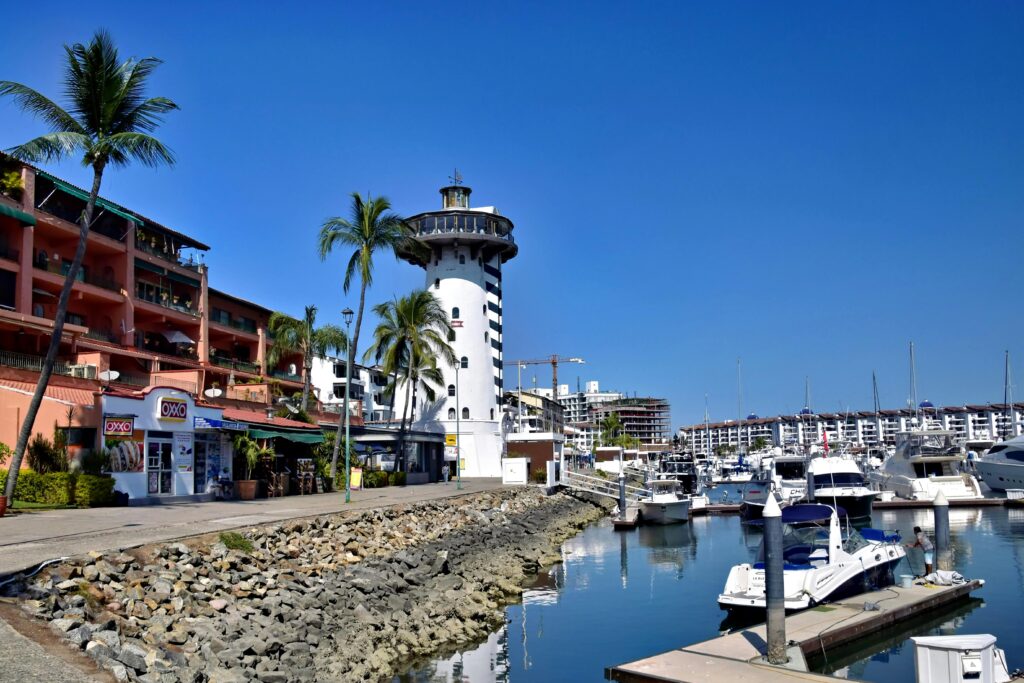
What Happened in Puerto Vallarta?
Recent reports indicated that authorities issued temporary shelter-in-place advisories in certain areas of Puerto Vallarta following violent clashes linked to organized crime activity. These incidents were reportedly tied to cartel disputes occurring in or near populated zones.
While such advisories are precautionary and often short-lived, they can create significant anxiety for tourists unfamiliar with local dynamics. Local authorities typically act quickly to contain such incidents, but the visibility of security operations — roadblocks, increased patrols, and emergency alerts — can leave a strong impression on visitors.
Importantly, in many cases, violent incidents in Mexico are targeted and not directed at tourists. However, the unpredictability of cartel-related conflicts means bystanders can occasionally be affected.
Why Puerto Vallarta Matters to Mexico’s Tourism Industry
Puerto Vallarta is one of Mexico’s most economically important tourist cities. Located in the state of Jalisco, it attracts millions of visitors annually, particularly from the United States and Canada.
Key reasons for its popularity include:
- Direct international flights from major U.S. and Canadian cities
- A strong hospitality infrastructure with luxury resorts and boutique hotels
- A thriving LGBTQ+ tourism scene
- Cruise ship arrivals
- A large expat and digital nomad community
Tourism is a central pillar of Puerto Vallarta’s economy. Hotels, restaurants, tour operators, and small businesses rely heavily on international visitors. Any perception of insecurity can quickly impact bookings and local employment.
Cartel Violence in Context
Organized crime groups operate in various regions of Mexico, and the state of Jalisco is known to be a stronghold of the Jalisco New Generation Cartel (CJNG), one of the country’s most powerful criminal organizations.
Cartel violence often stems from:
- Territorial disputes
- Competition for drug trafficking routes
- Internal leadership conflicts
- Law enforcement crackdowns
While many tourist areas are heavily policed and generally insulated from direct violence, cartel activity can sometimes spill into urban areas, particularly when rival groups clash.
It is important to understand that Mexico is a vast country, and violence levels vary dramatically by region. Tourist corridors are typically prioritized for security due to their economic importance.
Government and Security Response
Mexican authorities frequently respond to cartel-related incidents by:
- Deploying military and federal police
- Increasing patrols in tourist zones
- Establishing temporary checkpoints
- Coordinating with U.S. consular officials
U.S. and Canadian governments regularly update travel advisories based on evolving conditions. These advisories may recommend increased caution but rarely call for full avoidance of major tourist centers like Puerto Vallarta unless conditions significantly deteriorate.
Local governments also work closely with hotel associations and tourism boards to reassure visitors and maintain operational stability.
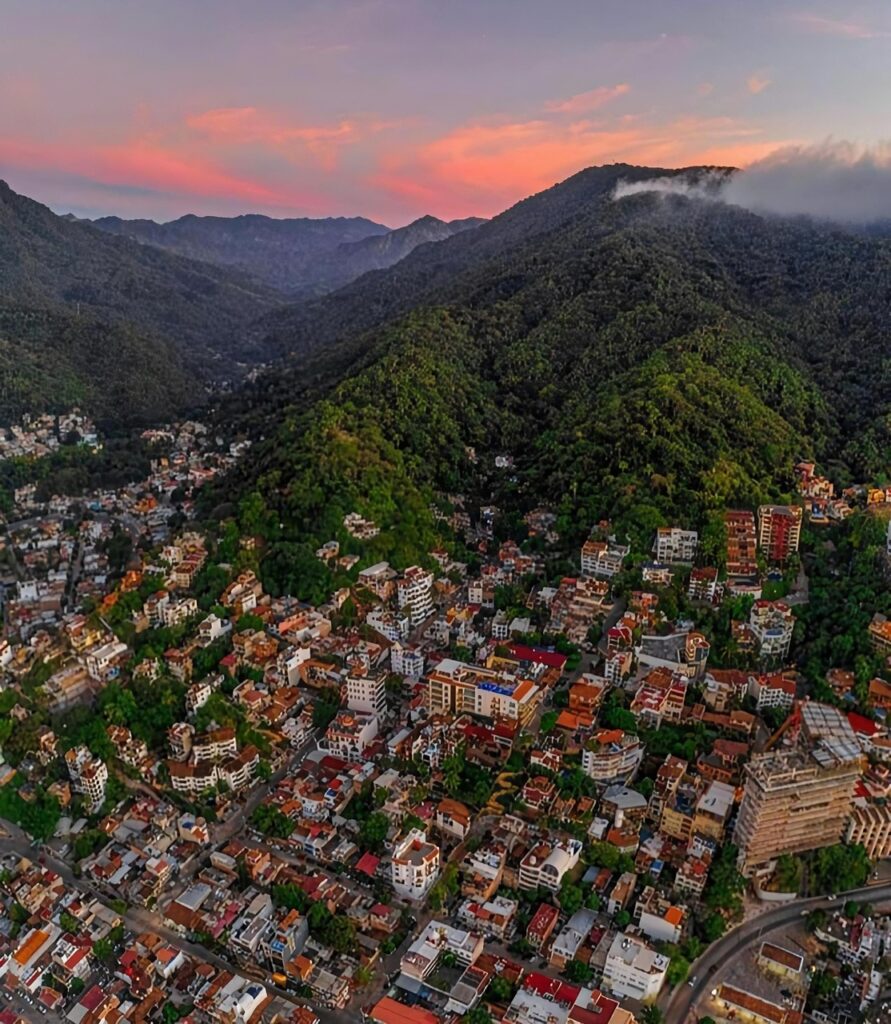
Impact on Tourism
Short-term impacts of violent incidents often include:
- Trip cancellations
- Heightened traveler anxiety
- Temporary drops in hotel occupancy
- Increased insurance inquiries
However, historically, major Mexican tourist destinations tend to rebound quickly after isolated incidents. Tourism demand often remains strong, particularly among repeat visitors familiar with the destination.
That said, repeated or highly publicized incidents can gradually erode traveler confidence if not effectively addressed.
Safety in Tourist Zones
Puerto Vallarta’s main tourist areas — including the Hotel Zone, Marina Vallarta, and Zona Romántica — are typically heavily patrolled and monitored. Resorts often have private security, controlled access points, and established emergency procedures.
Travelers can reduce risk by:
- Staying within well-traveled areas
- Avoiding late-night travel in unfamiliar neighborhoods
- Using authorized taxis or ride-share services
- Monitoring official advisories
- Enrolling in embassy traveler registration programs
As in any destination, situational awareness is essential.
Broader Challenges Facing Mexico’s Tourism Sector
Mexico remains one of the world’s most visited countries. However, it faces ongoing challenges:
- Organized crime activity in certain states
- Infrastructure strain due to growing tourism demand
- Balancing security with maintaining a welcoming atmosphere
- Media coverage that may amplify isolated incidents
At the same time, Mexico continues investing in tourism development projects, including airport expansions, cruise ports, and luxury resort developments.
Economic and Social Dimensions
The relationship between tourism and security is complex. Tourism provides:
- Employment for millions of Mexicans
- Tax revenue for local governments
- Incentives for infrastructure improvements
- International investment
However, persistent criminal activity can undermine these gains. Long-term stability requires broader economic reforms, law enforcement capacity building, and community development initiatives beyond the tourism sector.
Frequently Asked Questions
Is Puerto Vallarta safe for tourists?
Puerto Vallarta is generally considered one of Mexico’s safer tourist destinations, especially in designated tourist zones. However, travelers should stay informed and exercise standard safety precautions.
Were tourists targeted in the recent violence?
Cartel-related incidents typically involve criminal groups rather than tourists. However, proximity to violent events can pose risks.
Should I cancel my trip?
Travel decisions depend on personal risk tolerance and official government advisories. Many travelers continue visiting Puerto Vallarta without incident.
What does “shelter in place” mean?
A shelter-in-place advisory instructs people to remain indoors temporarily due to nearby security concerns. These advisories are usually precautionary and short-term.
How do I stay informed while traveling?
Monitor local news, follow embassy advisories, enable emergency alerts on your phone, and maintain communication with hotel staff.
Does travel insurance cover disruptions due to violence?
Coverage varies by policy. Travelers should review their insurance terms carefully before departure.
Are resorts secure?
Many resorts have enhanced security measures, including controlled entry points and coordination with local authorities.
Is violence increasing in tourist areas?
While cartel violence remains an issue in parts of Mexico, major tourist zones often receive prioritized security resources. Trends can fluctuate depending on regional dynamics.
Final Thoughts
Puerto Vallarta remains a vibrant and popular travel destination, but recent reports of cartel-related violence serve as a reminder that even established tourist hubs can experience security disruptions. While most visits occur without incident, informed decision-making and situational awareness are key.
The long-term outlook for Puerto Vallarta’s tourism sector will depend not only on local security measures but also on broader efforts to address organized crime at its roots. For now, travelers should balance realistic caution with contextual understanding — recognizing that Mexico’s tourism economy is both resilient and deeply intertwined with regional stability.
Sources Business Insider

