
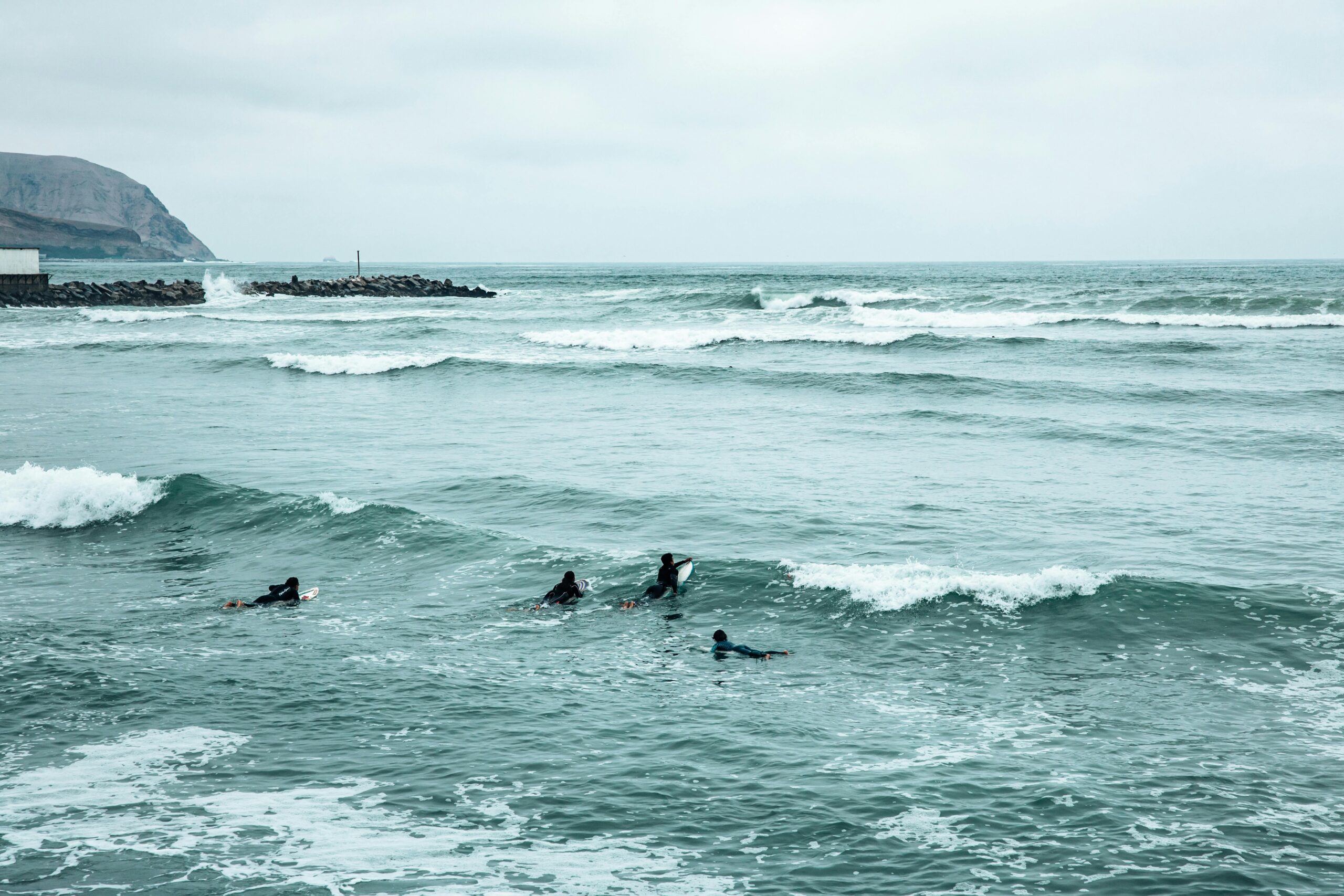
Along Peru’s northern coast, in the fishing town of Huanchaco, slender crescent-shaped boats made of woven reeds have cut through Pacific waves for more than 3,000 years. Known as caballitos de totora — or “little reed horses” — these ancient vessels are among the oldest continuously used watercraft in the world.
But today, this living maritime tradition faces mounting pressures from climate change, modernization, overfishing and urban expansion. In response, an unexpected ally has emerged: surf tourism. As international surfers flock to Peru’s renowned breaks, local communities are exploring how tourism might help preserve — rather than replace — their ancestral fishing culture.
This article explores the intersection of surf tourism, cultural preservation and environmental sustainability, and examines whether wave riders can truly help safeguard one of South America’s oldest maritime traditions.

The Legacy of the Caballitos de Totora
The caballitos de totora predate the Inca civilization and are believed to have been used by the Moche and Chimú cultures. Constructed from tightly bundled reeds harvested from local wetlands, the boats are lightweight yet buoyant — ideal for navigating Peru’s powerful coastal surf.
Fishermen paddle out before dawn, casting nets and returning to shore riding waves, a technique that resembles modern surfing. This striking image — fishermen balancing on reed vessels as they glide toward the beach — has become a symbol of Huanchaco’s identity.
The reed boats are more than tools; they represent:
- Indigenous craftsmanship
- Generational knowledge transfer
- Sustainable fishing practices
- Cultural continuity
Threats to a Millennia-Old Tradition
Despite its resilience, the tradition faces serious challenges.
1. Climate Change and Coastal Erosion
Rising sea levels and stronger storms have reshaped Peru’s coastline. Changes in wave patterns and coastal erosion threaten both fishing grounds and reed-harvesting areas.
2. Decline of Totora Reeds
The reeds used to construct the boats grow in freshwater wetlands near the coast. Urban expansion and water diversion have reduced wetland areas, limiting reed availability.
3. Economic Pressures
Younger generations often pursue more stable urban employment. Traditional fishing yields modest income compared to tourism or other industries.
4. Industrial Fishing
Large-scale fishing operations reduce fish stocks, undermining small-scale artisanal fishermen.
The Rise of Surf Tourism
Peru has become a global surf destination, known for long left-hand point breaks and consistent swells. Huanchaco in particular attracts surfers year-round.
Surf tourism brings:
- International visitors
- Surf schools and competitions
- Hospitality development
- Media exposure
The economic injection from surf travelers supports local hotels, restaurants and businesses.
But the relationship between tourism and tradition is complex.
A Cultural Convergence: Surfers and Fishermen
Interestingly, the line between fishermen and surfers has historical overlap. The act of riding waves back to shore on a caballito closely resembles surfing. Some historians argue that ancient Peruvian fishermen were among the earliest wave riders.
Today, cultural festivals and demonstrations showcase the reed boats to visitors. Some fishermen offer rides or tours, creating supplementary income.
In this way, surf tourism may help:
- Generate funds for reed cultivation
- Support local craftsmanship
- Raise awareness of maritime heritage
- Encourage youth participation

Risks of Commercialization
While tourism offers opportunity, it also carries risks.
1. Cultural Commodification
Turning ancestral practices into tourist attractions can dilute authenticity.
2. Overdevelopment
Coastal hotel expansion can damage ecosystems and disrupt traditional fishing zones.
3. Environmental Degradation
Increased foot traffic and infrastructure strain local wetlands and marine habitats.
The challenge lies in balancing economic benefit with cultural integrity.
Sustainable Tourism as a Preservation Tool
Experts argue that tourism must be carefully managed to support, rather than exploit, local traditions.
Strategies may include:
- Community-led tourism initiatives
- Cultural education programs for visitors
- Protected wetland zones for reed cultivation
- Limits on coastal construction
- Partnerships between surf schools and fishing cooperatives
If revenues are reinvested into environmental conservation and cultural training, tourism can act as a stabilizing force.
Youth Engagement and Cultural Transmission
One of the greatest threats to ancient traditions is generational disconnect. By linking heritage to viable economic opportunity, communities may encourage younger residents to continue reed boat craftsmanship.
Workshops, cultural festivals and school programs are increasingly integrated with tourism campaigns.
Broader Lessons for Coastal Communities
Huanchaco’s story reflects a global pattern. Coastal communities worldwide face tension between heritage preservation and tourism growth.
Similar examples include:
- Polynesian canoe traditions
- Mediterranean small-scale fishing villages
- Indonesian outrigger communities
Sustainable tourism can serve as a lifeline — but only if local voices shape development.
Frequently Asked Questions
What are caballitos de totora?
They are ancient reed boats used by Peruvian fishermen for over 3,000 years, made from bundled totora reeds.
How is surf tourism connected to this tradition?
Huanchaco’s waves attract surfers, and the reed boats are culturally linked to early wave riding, creating an intersection between heritage and tourism.
Is the tradition endangered?
Yes. Environmental changes, urbanization, and economic pressures threaten both reed cultivation and artisanal fishing.
Can tourism really help preserve culture?
It can, if managed responsibly and if local communities control how traditions are presented and monetized.
What environmental threats do the reed boats face?
Loss of wetlands, coastal erosion, and reduced fish stocks pose significant challenges.
Are young people still learning the craft?
Some are, particularly where tourism provides financial incentives, but interest varies.
What would happen if the tradition disappeared?
The loss would represent not only cultural erosion but also the disappearance of one of the world’s oldest continuous maritime practices.
Riding the Future
The sight of fishermen riding waves on reed boats is both ancient and timeless. As surfboards carve the same swells once navigated by early civilizations, Huanchaco stands at a crossroads.
Surf tourism alone cannot save a 3,000-year-old tradition. But if harnessed thoughtfully — guided by environmental stewardship and community leadership — it may provide the economic and cultural momentum needed to keep the caballitos de totora gliding into the future.
The waves that once sustained an ancient fishing culture may now help sustain its survival.

Sources The Guardian

