
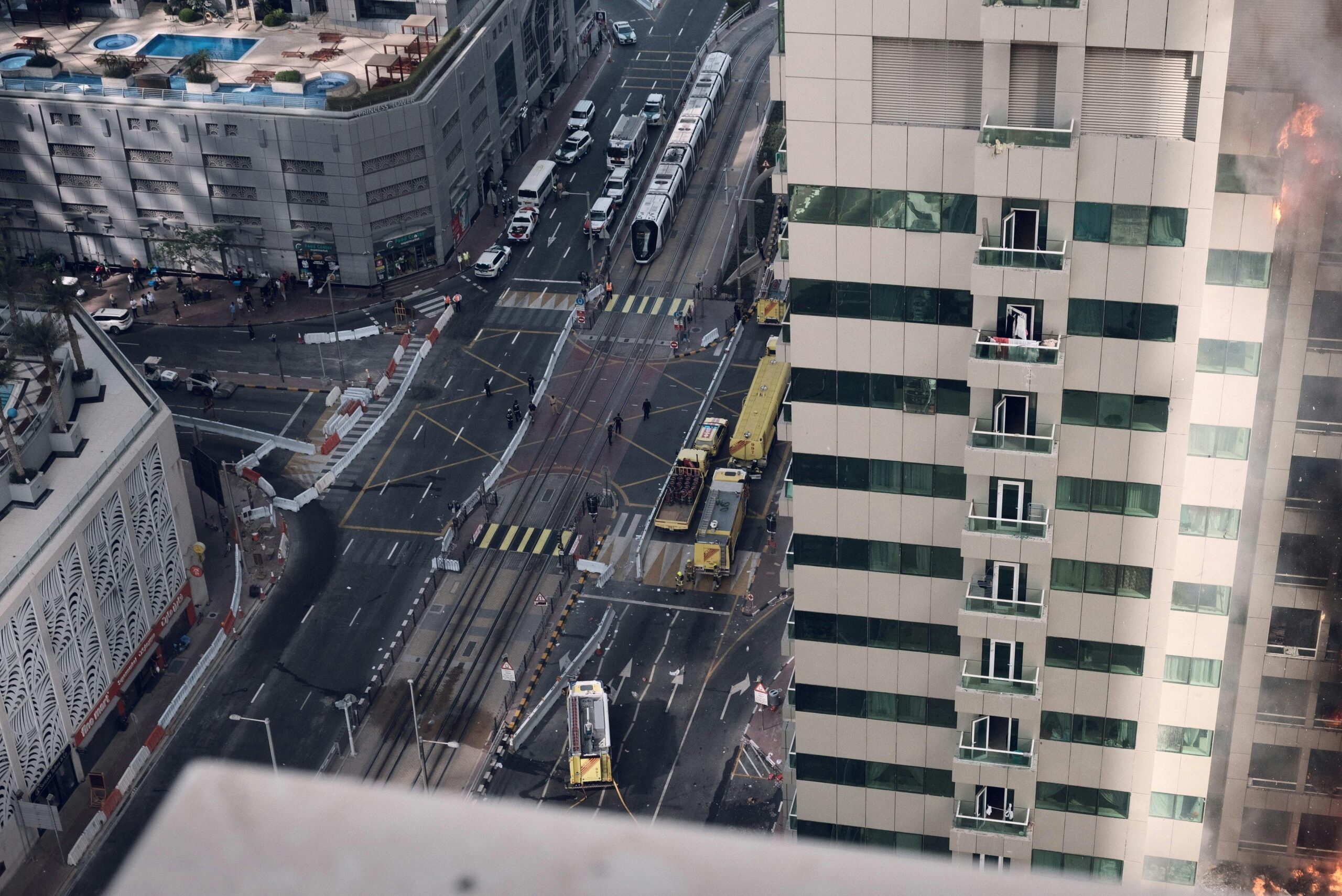
For many travelers, a holiday is an escape — a pause from global tensions and daily anxieties. But in an increasingly volatile world, geopolitical conflict can intrude suddenly and violently into places once marketed as serene destinations. When bombs fall near hotel windows, airports shut down without warning, and embassies issue emergency alerts, tourists can find themselves trapped in regions they never expected to associate with danger.
Recent events in parts of the Middle East have highlighted a growing reality: tourists are sometimes caught in the middle of fast-moving military escalations. While governments issue travel advisories and airlines reroute flights, those already on the ground face confusion, fear, and difficult decisions.
This article explores the complex experience of tourists stranded in conflict zones — from immediate survival concerns to evacuation logistics, insurance limitations, psychological trauma, and the broader implications for global tourism.
When Vacation Turns Into Crisis
Travelers often assume that tourist districts, resorts, or international hotels offer a buffer from political unrest. In many cases, that assumption holds — until it doesn’t.
Modern conflicts can escalate rapidly due to:
- Airstrikes and missile exchanges
- Drone attacks
- Civil unrest or protests
- Border closures
- Sudden airspace shutdowns
A traveler might go to bed after a peaceful evening and wake up to sirens, explosions, or emergency alerts advising them to shelter in place.
Hotels may switch to lockdown protocols. Staff may be uncertain about safety guidance. Flights can be canceled indefinitely. ATMs may stop functioning. Communication networks can slow or fail.
For tourists unfamiliar with local emergency systems or language, the uncertainty can feel overwhelming.
The Immediate Safety Concerns
When violence erupts nearby, tourists face urgent questions:
- Should we leave the hotel or stay inside?
- Is the airport safe?
- Are taxis operating?
- Are roads blocked?
- Is the conflict localized or expanding?
In many situations, embassies advise travelers to shelter in place until conditions stabilize. However, panic can drive people to attempt immediate departure — sometimes increasing risk.
Hotels in high-risk regions may have contingency plans such as:
- Reinforced safe areas or basements
- Communication channels with local authorities
- Emergency food and water supplies
- Coordination with embassies
But not all accommodations are equally prepared, especially smaller guesthouses or short-term rentals.
Airspace Closures and Travel Gridlock
One of the most common consequences of regional conflict is airspace shutdown. When governments close airspace for security reasons, commercial flights are rerouted or grounded.
This creates cascading effects:
- Stranded passengers at airports
- Overbooked alternative routes
- Skyrocketing last-minute ticket prices
- Limited seat availability
- Long delays in rebooking
In some cases, neighboring countries’ airports become evacuation hubs, forcing travelers to cross borders by land before flying home.
Land crossings may involve:
- Long queues
- Additional visa checks
- Security screenings
- Transportation shortages
Travelers without flexible visas may face additional legal complications if they overstay due to flight cancellations.
The Role of Embassies and Consulates
Embassies play a crucial role in crisis response, but their capabilities are often misunderstood.
They can:
- Issue travel alerts
- Provide safety guidance
- Coordinate evacuation flights (in extreme cases)
- Help replace lost travel documents
However, embassies typically cannot:
- Pay for commercial flights
- Guarantee immediate evacuation
- Intervene in local military operations
Evacuations are usually reserved for extreme circumstances and may prioritize citizens based on vulnerability, medical need, or location.
Travelers are encouraged to register with their embassy before visiting higher-risk destinations — though many do not.
Travel Insurance: What Is and Isn’t Covered
Many tourists assume travel insurance covers all conflict-related disruptions. In reality, policies vary significantly.
Some policies exclude:
- Acts of war
- Civil unrest
- Government travel warnings issued before departure
Comprehensive policies may cover:
- Trip interruption
- Emergency medical evacuation
- Accommodation extensions due to flight cancellations
However, reimbursement processes can be slow, and coverage depends heavily on policy wording. “Cancel for any reason” policies offer more flexibility but come at a higher cost.

The Psychological Toll
Even if tourists escape unharmed physically, exposure to nearby violence can have lasting emotional effects.
Common psychological responses include:
- Anxiety and hypervigilance
- Sleep disturbances
- Survivor’s guilt
- Fear of future travel
- Post-traumatic stress symptoms
The sudden contrast between a planned leisure experience and exposure to conflict can intensify emotional shock.
Mental health support after returning home is often overlooked, as travelers may feel they “weren’t really part of the conflict.” However, trauma responses do not require direct injury to be valid.
Social Media and Real-Time Crisis Information
Today’s travelers rely heavily on social media during emergencies.
Platforms provide:
- Real-time updates
- Crowd-sourced safety information
- Communication with family
- Video documentation
However, misinformation spreads quickly during crises. Unverified videos, rumors, and exaggerated claims can heighten panic.
Official government channels, embassy alerts, and verified news sources remain the most reliable information sources during rapidly evolving conflicts.
The Broader Impact on Regional Tourism
When conflict erupts, tourism often collapses almost immediately.
Consequences include:
- Mass cancellations
- Hotel closures
- Job losses in hospitality
- Economic strain on local communities
- Long-term reputation damage
Recovery can take years, even after stability returns.
Ironically, many conflict-affected regions were previously investing heavily in tourism infrastructure and international marketing campaigns.
Ethical Considerations: Should Tourists Travel to High-Risk Areas?
This question does not have a simple answer.
Some travelers argue that tourism supports local economies and fosters cultural exchange. Others contend that visiting regions with volatile political situations places additional strain on local emergency systems.
Travel decisions should consider:
- Government travel advisories
- Local political stability
- Personal risk tolerance
- Contingency planning
Ultimately, informed decision-making is critical.
Practical Safety Tips for Travelers
Before traveling to politically sensitive regions:
- Monitor official travel advisories
- Register with your embassy
- Purchase comprehensive travel insurance
- Share your itinerary with family
- Identify nearby hospitals and embassies
- Have access to emergency funds
- Keep digital and physical copies of documents
If conflict erupts while you are there:
- Follow official guidance
- Avoid crowds and military targets
- Shelter in secure buildings
- Limit movement unless advised otherwise
- Stay in contact with your embassy
Preparation does not eliminate risk, but it improves resilience.
Frequently Asked Questions (FAQs)
1. What should I do if conflict breaks out while I’m on vacation?
Stay calm and follow official guidance from local authorities and your embassy. Shelter in place if advised, and avoid rushing to airports unless instructed.
2. Will my government evacuate me automatically?
Not necessarily. Evacuations are rare and typically reserved for extreme circumstances. Most travelers are expected to use commercial means to leave.
3. Does travel insurance cover war or bombings?
It depends on the policy. Some exclude acts of war. Review coverage carefully before travel.
4. Is it safe to rely on social media updates during a crisis?
Social media can provide rapid updates but may spread misinformation. Cross-check with official sources.
5. Should I cancel a trip if tensions are rising?
Consult government travel advisories and evaluate your personal risk tolerance. Rising tensions can escalate unpredictably.
6. How long does tourism recovery take after conflict?
Recovery varies. Some destinations rebound within a year; others may take many years to rebuild traveler confidence.
7. Can hotels guarantee safety during regional conflict?
No hotel can guarantee absolute safety. However, international hotels often have crisis protocols and coordination with authorities.
8. Are tourists specifically targeted in conflicts?
In most cases, tourists are not the primary targets. However, conflict zones are inherently unpredictable, and civilians can be affected.
Conclusion
The image of a bombed building outside a hotel window shatters the illusion that travel exists outside global politics. In an interconnected world, regional conflicts can disrupt even carefully planned holidays.
For travelers, awareness and preparation are increasingly essential. For governments and tourism boards, transparency and crisis management are critical. And for the global community, these incidents underscore a sobering truth: peace and stability are foundational not only to tourism, but to everyday life.
Travel remains one of the most powerful tools for cultural understanding — but in unstable regions, it also carries real risks. The challenge is not to abandon travel altogether, but to approach it with informed caution, empathy for local populations, and readiness for unexpected change.

Sources Euro News

