

Nestled in the heart of Central Asia, Kyrgyzstan is emerging as one of the world’s most captivating destinations for nature lovers, adventure travelers, and cultural explorers. Often overshadowed by more famous travel hotspots, this mountainous country offers pristine landscapes, centuries-old nomadic traditions, and a level of authenticity that many modern destinations have lost.
With nearly 90% of its territory covered by mountains, Kyrgyzstan has become a magnet for travelers seeking outdoor adventure, eco-tourism, and cultural immersion. From alpine lakes and dramatic valleys to traditional yurts and horseback journeys across the steppe, the country offers an experience that feels both ancient and refreshingly untouched.
As global travelers increasingly search for meaningful and sustainable experiences, Kyrgyzstan is quickly gaining recognition as a prime destination for nature tourism and mountain exploration.
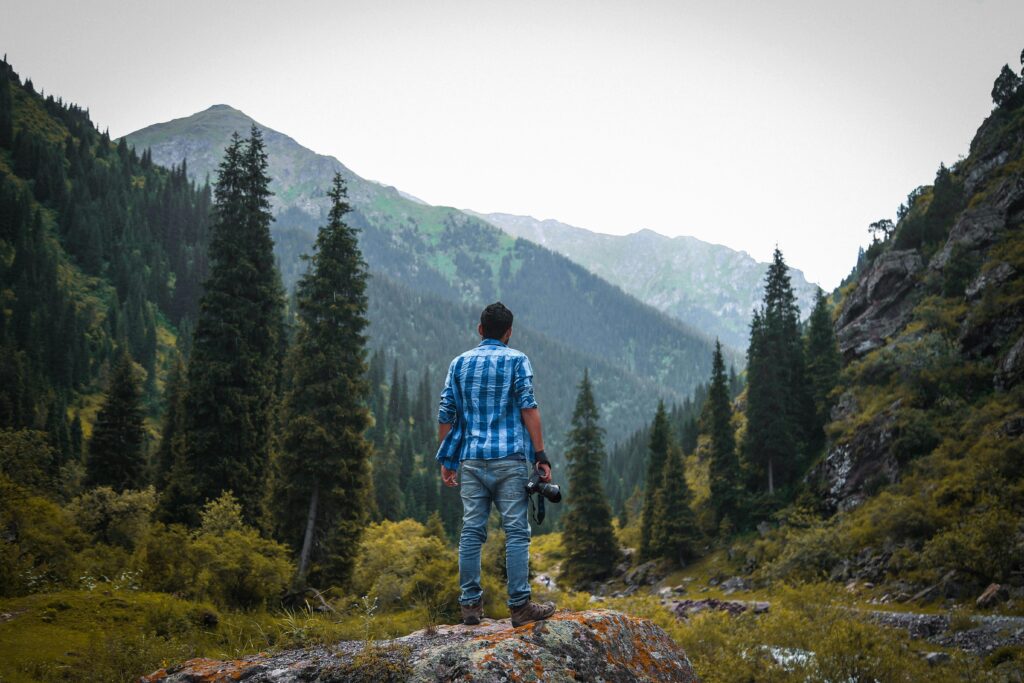
A Landscape Dominated by Mountains
Kyrgyzstan’s geography is defined by the Tien Shan mountain range, often referred to as the “Celestial Mountains.” These towering peaks stretch across the country and shape its climate, ecosystems, and culture.
Key natural highlights include:
- Issyk-Kul Lake – One of the largest alpine lakes in the world
- Ala-Archa National Park – A popular destination for hiking and mountaineering near the capital city of Bishkek
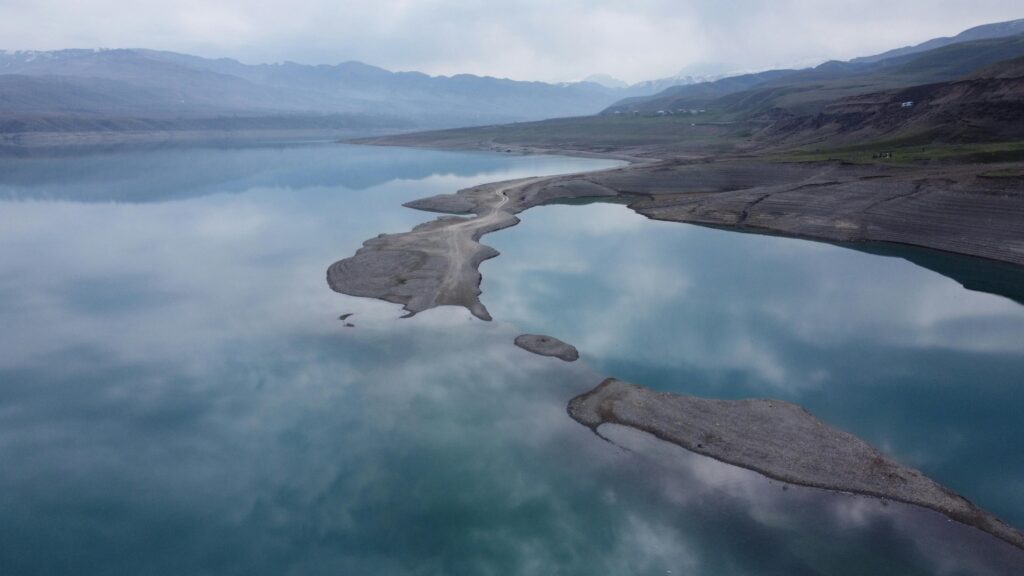
- Song-Kul Lake – A high-altitude lake surrounded by traditional nomadic pastures
- Jeti-Oguz Valley – Famous for its red sandstone rock formations
- Terskey Alatau Mountains – Ideal for trekking and wildlife observation
These landscapes provide countless opportunities for outdoor activities, from hiking and horseback riding to skiing and alpine climbing.
The Nomadic Heritage of Kyrgyzstan
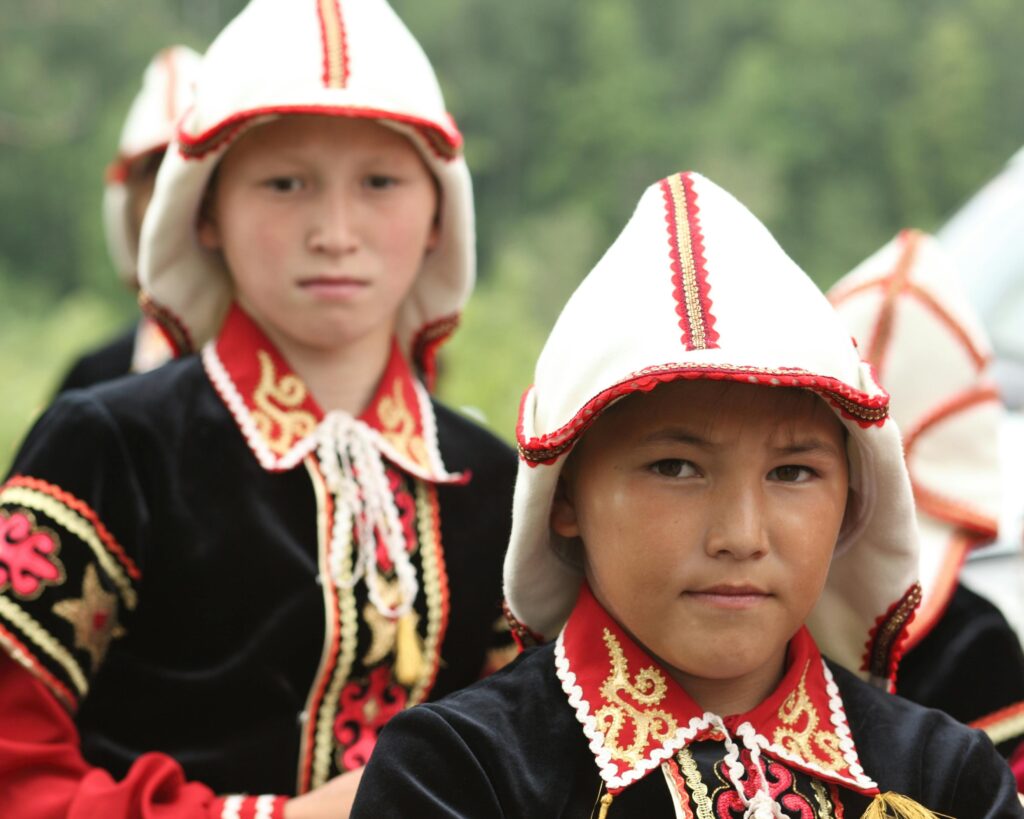
One of the most distinctive aspects of Kyrgyzstan is its living nomadic culture, which continues to shape everyday life.
Historically, the Kyrgyz people were pastoral nomads who moved seasonally with their livestock across mountain pastures known as jailoo. While modern life has changed many aspects of society, nomadic traditions remain deeply rooted in the national identity.
Visitors can experience this heritage through:
- Staying in traditional yurts
- Participating in seasonal migrations with herders
- Sampling traditional foods such as kumis (fermented mare’s milk)
- Watching traditional sports like kok-boru, a horseback game similar to polo
This cultural authenticity is one of the main reasons travelers find Kyrgyzstan so unique.
Adventure Tourism in the Tien Shan Mountains
Kyrgyzstan has become a hotspot for adventure tourism thanks to its dramatic terrain and relatively untouched wilderness.
Popular adventure activities include:
Trekking and Hiking
Thousands of kilometers of trails cross the country’s mountains and valleys. Multi-day treks often connect remote villages, alpine lakes, and nomadic camps.
Horseback Expeditions
Horse culture remains central to Kyrgyz identity. Many travelers explore the countryside on horseback, following traditional nomadic routes.
Mountaineering
The Tien Shan mountains contain several peaks exceeding 7,000 meters, including:
- Peak Pobeda (Victory Peak)
- Khan Tengri
These peaks attract experienced climbers from around the world.
Winter Sports
In winter, Kyrgyzstan offers skiing and snowboarding in locations like Karakol, which boasts deep powder snow and relatively uncrowded slopes.
Issyk-Kul: The Jewel of Kyrgyzstan
Perhaps the most famous natural attraction in Kyrgyzstan is Issyk-Kul Lake.
Despite being surrounded by snow-capped mountains, the lake rarely freezes due to its slight salinity and geothermal activity. This makes it a popular destination for:
- Beach tourism in summer
- Sailing and water sports
- Cultural festivals
- Birdwatching and wildlife observation
The region around Issyk-Kul is also rich in history, with archaeological sites that date back to ancient Silk Road civilizations.
The Silk Road Legacy
Kyrgyzstan was once a key part of the Silk Road, the network of trade routes that connected East Asia with Europe and the Middle East.
Remnants of this history can still be seen in:
- Caravanserais such as Tash Rabat, a stone inn used by Silk Road traders
- Ancient petroglyph sites
- Historic trade settlements
These sites reveal how Kyrgyzstan served as a cultural crossroads where merchants, explorers, and empires once met.
Community-Based Tourism
One of Kyrgyzstan’s most innovative tourism initiatives is its community-based tourism (CBT) network.
CBT programs allow travelers to stay with local families, providing income directly to rural communities. These experiences often include:
- Homestays in mountain villages
- Guided treks by local residents
- Traditional cooking demonstrations
- Cultural workshops and storytelling
This model promotes sustainable tourism while preserving cultural heritage.
Wildlife and Biodiversity
Kyrgyzstan’s mountainous ecosystems support a surprising range of wildlife.
Species found in the region include:
- Snow leopards
- Golden eagles
- Ibex and argali mountain sheep
- Marmots
- Rare alpine plant species
Protected areas and national parks aim to preserve these ecosystems while supporting eco-tourism.
Challenges Facing Tourism Development
Despite its potential, Kyrgyzstan’s tourism sector faces several challenges.
Infrastructure
Road networks and transportation systems can be limited in remote regions.
Accessibility
International flight connections remain relatively limited compared to major global destinations.
Environmental Protection
Balancing tourism growth with ecosystem preservation is an ongoing challenge.
Seasonal Tourism
Much of the tourism activity occurs during summer months, creating economic fluctuations for local communities.
Efforts are underway to improve infrastructure and promote sustainable tourism practices.
Why Travelers Are Discovering Kyrgyzstan
Several global travel trends are contributing to Kyrgyzstan’s growing popularity:
- Rising demand for eco-tourism
- Interest in authentic cultural experiences
- Growth in adventure travel
- Travelers seeking destinations less affected by mass tourism
For many visitors, Kyrgyzstan represents the rare opportunity to explore dramatic landscapes while connecting with a culture that has maintained its traditions for centuries.
Frequently Asked Questions (FAQs)
1. Where is Kyrgyzstan located?
Kyrgyzstan is a landlocked country in Central Asia, bordered by Kazakhstan, Uzbekistan, Tajikistan, and China.
2. What is Kyrgyzstan best known for?
The country is known for its mountains, nomadic culture, alpine lakes, horseback trekking, and Silk Road history.
3. Is Kyrgyzstan safe for tourists?
Yes. Kyrgyzstan is generally considered safe for travelers, though visitors should prepare for remote conditions when exploring mountainous areas.
4. When is the best time to visit Kyrgyzstan?
The best time for trekking and outdoor adventures is from June to September, when mountain passes are accessible.
5. Do travelers need a visa?
Many nationalities can enter Kyrgyzstan visa-free for short stays, though requirements vary by country.
6. What languages are spoken in Kyrgyzstan?
Kyrgyz and Russian are widely spoken. English is becoming more common in tourism areas.
7. What kind of accommodation is available?
Travelers can stay in hotels, guesthouses, yurts, or community-based homestays.
8. Is Kyrgyzstan suitable for beginner hikers?
Yes. The country offers trails ranging from easy scenic hikes to challenging multi-day treks.
Conclusion
Kyrgyzstan stands at the intersection of breathtaking natural beauty and deep cultural heritage. With its towering mountains, pristine lakes, and enduring nomadic traditions, the country offers a travel experience that feels both adventurous and authentic.
As travelers increasingly seek meaningful connections with nature and culture, Kyrgyzstan’s appeal continues to grow. If managed responsibly, tourism could provide sustainable economic opportunities while preserving the landscapes and traditions that make this Central Asian nation so extraordinary.
For those willing to venture off the beaten path, Kyrgyzstan offers something rare in modern travel: a journey into a world where mountains shape life, nomadic traditions endure, and adventure awaits at every horizon.
Sources Euro News

