
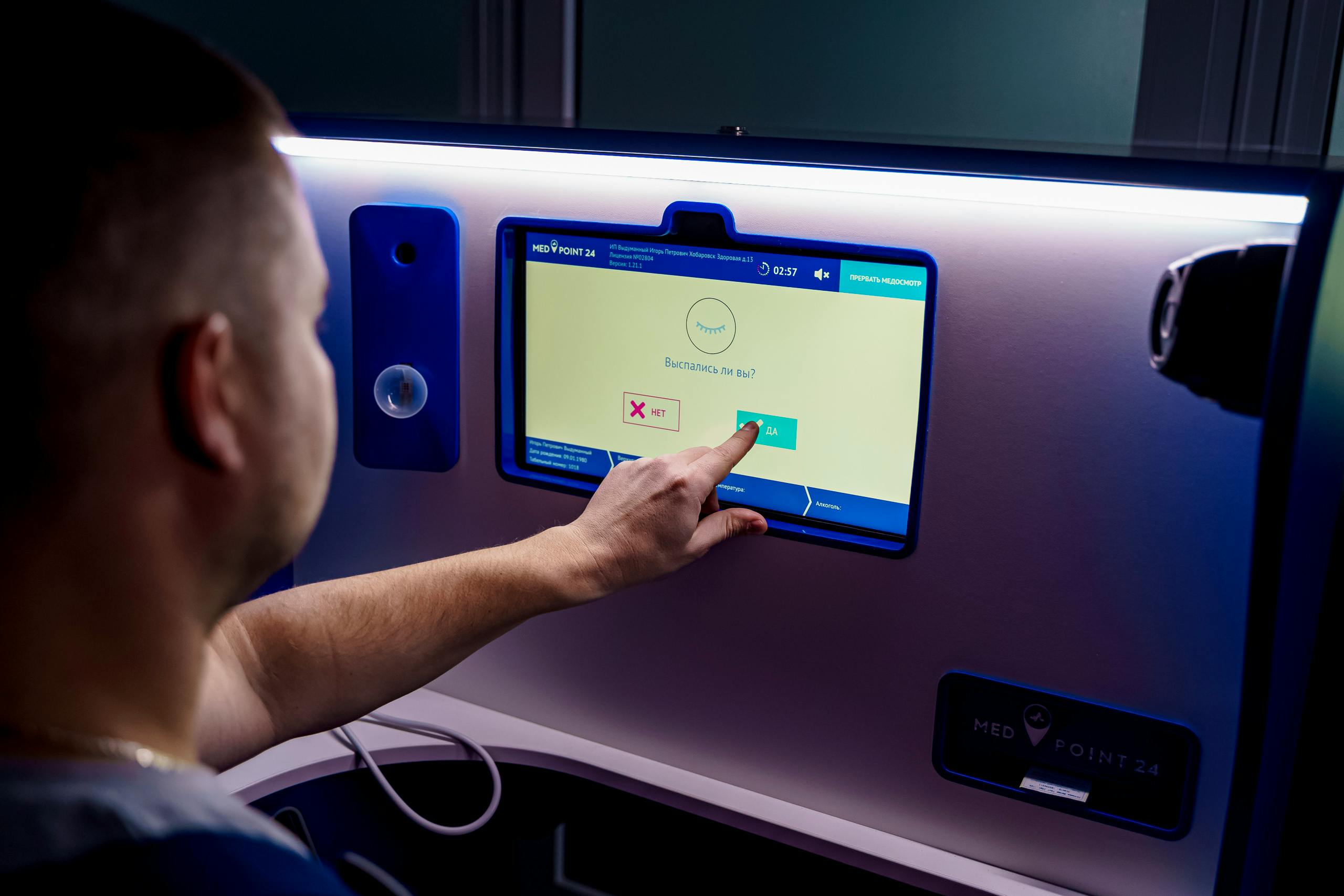
Artificial intelligence (AI) is rapidly reshaping industries across the global economy. Among the sectors experiencing some of the most profound changes are tourism and healthcare. These two industries, though very different in structure and purpose, share a common challenge: managing vast amounts of data while delivering highly personalized services to millions of people.
AI technologies—ranging from machine learning algorithms to predictive analytics and natural language processing—are helping organizations in both tourism and healthcare improve efficiency, reduce costs, and enhance user experiences.
As AI continues to evolve, its integration into these sectors may redefine how people travel, access medical services, and interact with complex service systems.
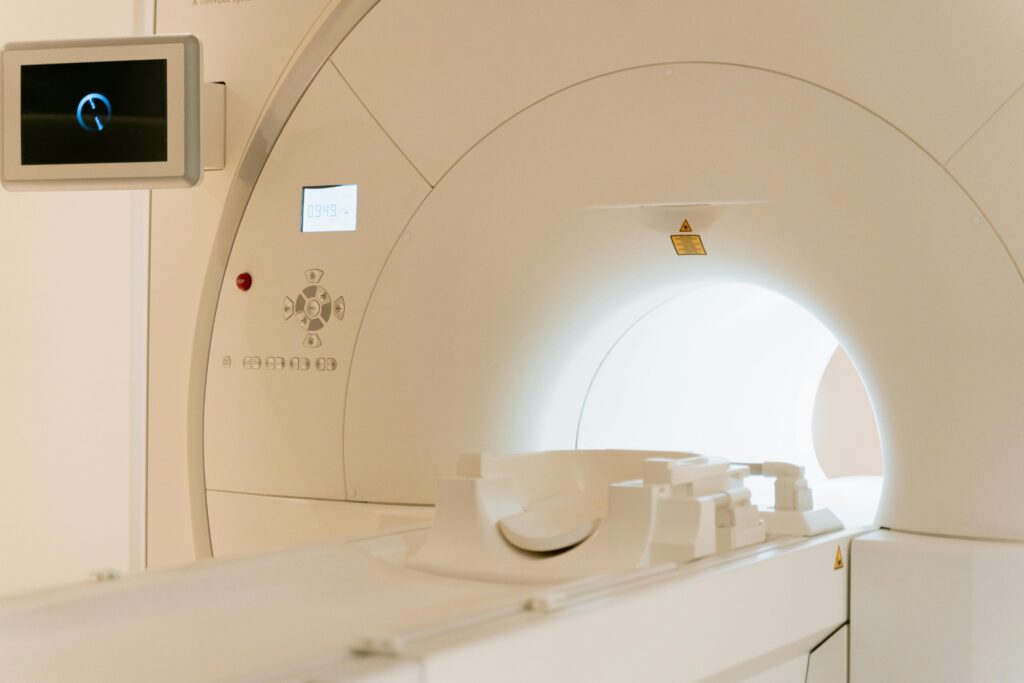
The Rise of AI as a Transformative Technology
Artificial intelligence refers to computer systems capable of performing tasks that normally require human intelligence, such as learning, reasoning, decision-making, and language understanding.
Key AI technologies driving change include:
- Machine learning, which allows systems to improve through data analysis
- Natural language processing (NLP) for understanding and generating human language
- Computer vision, enabling machines to interpret images and video
- Predictive analytics, which forecasts future outcomes based on historical data
These tools allow organizations to process enormous datasets and identify patterns that would be impossible for humans to detect manually.
Both tourism and healthcare generate massive amounts of information, making them ideal environments for AI-driven innovation.
AI in Tourism: Creating Smarter Travel Experiences
The tourism industry involves complex coordination between airlines, hotels, travel agencies, transportation providers, and local attractions. AI helps manage this complexity while improving traveler experiences.
Personalized Travel Recommendations
Travel companies use AI algorithms to analyze user preferences and behavior to recommend:
- Flights and hotel options
- Travel destinations
- Activities and tours
- Dining and entertainment
Platforms such as travel booking websites and apps rely on AI to create personalized travel suggestions tailored to individual travelers.
Chatbots and Virtual Assistants
AI-powered chatbots now provide customer support across many travel platforms.
These systems can:
- Answer traveler questions instantly
- Assist with bookings and reservations
- Provide travel updates and itinerary changes
- Offer destination information
By automating routine inquiries, companies can provide faster service while reducing operational costs.
Dynamic Pricing Systems
AI models analyze factors such as:
- Demand patterns
- Seasonal trends
- Competitor pricing
- Consumer behavior
This allows airlines and hotels to adjust prices in real time, maximizing revenue while responding to market demand.
Smart Destination Management
Cities and tourism authorities are also adopting AI tools to manage visitor flows.
These systems can:
- Predict overcrowding at popular attractions
- Suggest alternative destinations
- Improve transportation planning
- Enhance safety and security
Such tools help cities manage tourism sustainably while improving visitor experiences.
AI in Healthcare: Transforming Patient Care
Healthcare systems worldwide face growing challenges, including aging populations, rising costs, and shortages of medical professionals. AI is helping address these issues by improving diagnostics, treatment planning, and healthcare administration.
AI-Assisted Medical Diagnosis
AI algorithms can analyze medical images such as:
- X-rays
- MRIs
- CT scans
These systems can detect patterns linked to diseases including cancer, cardiovascular conditions, and neurological disorders.
In many cases, AI tools can identify abnormalities faster and sometimes more accurately than traditional diagnostic methods.
Predictive Healthcare
AI models can analyze patient records and medical histories to predict health risks.
This allows healthcare providers to:
- Identify high-risk patients earlier
- Prevent disease progression
- Develop personalized treatment plans
Predictive analytics may play a crucial role in preventative medicine.

Administrative Efficiency
Healthcare systems often struggle with complex administrative tasks.
AI tools can automate processes such as:
- Scheduling appointments
- Processing insurance claims
- Managing electronic health records
Reducing administrative burdens allows healthcare professionals to spend more time focusing on patient care.
Drug Discovery and Research
AI is accelerating pharmaceutical research by analyzing vast datasets related to molecular biology and genetics.
Machine learning models can:
- Identify potential drug candidates
- Predict treatment outcomes
- Reduce the time required for clinical research
This has the potential to speed up the development of life-saving medications.
The Convergence of Tourism and Healthcare
Interestingly, tourism and healthcare increasingly intersect through medical tourism—traveling to another country for medical treatment.
AI is helping this sector grow by enabling:
- Better patient-provider matching across borders
- Transparent pricing comparisons
- Personalized treatment recommendations
- Remote consultations before travel
AI-driven platforms allow patients to explore healthcare options internationally with greater confidence.
Ethical and Privacy Concerns
While AI offers enormous benefits, its widespread adoption raises important ethical issues.
Data Privacy
Both tourism and healthcare rely on sensitive personal data.
Protecting this information from misuse or cyber threats is critical.
Algorithmic Bias
AI systems trained on incomplete or biased data may produce unfair outcomes.
For example, healthcare algorithms must ensure equitable treatment recommendations across diverse populations.
Transparency
Users may not always understand how AI systems make decisions.
Organizations must ensure transparency and accountability in AI-driven processes.
The Economic Impact of AI
The adoption of AI technologies could significantly reshape labor markets in tourism and healthcare.
Some routine tasks may become automated, but new opportunities will emerge in areas such as:
- AI system management
- Data science and analytics
- Human-AI collaboration roles
- Ethical oversight of AI technologies
Rather than eliminating human workers entirely, AI is likely to change how professionals perform their jobs.
The Future of AI in Service Industries
As AI continues to advance, its influence on tourism and healthcare is expected to grow.
Possible future developments include:
- AI-powered travel planning assistants
- Fully automated airport systems
- Personalized medicine based on genetic analysis
- Real-time health monitoring using wearable devices
These innovations could make both travel and healthcare more efficient, personalized, and accessible.
Frequently Asked Questions
What is artificial intelligence?
Artificial intelligence refers to computer systems capable of performing tasks that typically require human intelligence, such as learning and decision-making.
How is AI used in tourism?
AI helps provide personalized travel recommendations, manage pricing strategies, power customer service chatbots, and optimize tourism planning.
How does AI improve healthcare?
AI assists doctors in diagnosing diseases, predicting health risks, managing patient data, and accelerating medical research.
Can AI replace doctors or travel agents?
AI can assist professionals but is unlikely to replace them entirely. Human judgment and expertise remain essential.
What are the risks of AI in healthcare?
Risks include data privacy concerns, algorithmic bias, and overreliance on automated decision systems.
How does AI affect medical tourism?
AI platforms help patients find international treatment options, compare healthcare providers, and plan medical travel.
Will AI create or eliminate jobs?
AI will likely change job roles rather than eliminate them entirely, creating new opportunities in technology and data management.
Conclusion
Artificial intelligence is emerging as one of the most transformative technologies of the 21st century. In tourism, AI is enhancing travel experiences through personalized services, smarter planning, and improved customer interactions. In healthcare, it is revolutionizing diagnostics, treatment planning, and medical research.
Despite the challenges associated with privacy, ethics, and workforce transitions, the potential benefits of AI are enormous.
The future of tourism and healthcare will likely be shaped by a collaborative relationship between human expertise and intelligent machines—one where technology amplifies human capabilities rather than replacing them.
As these industries continue to evolve, AI may become the foundation for a new era of smarter travel and more effective healthcare systems.

Sources Columbia Business School

