

Cuba’s tourism sector—long considered a lifeline for the island’s economy—is facing a deepening crisis. While global travel has rebounded in many regions, Cuban tourism workers are grappling with a unique and severe challenge: the impact of US sanctions and oil-related restrictions, which have intensified economic strain across the country.
For many workers in hotels, restaurants, and transport services, the situation has become so difficult that some are considering leaving the industry—or even the country altogether.
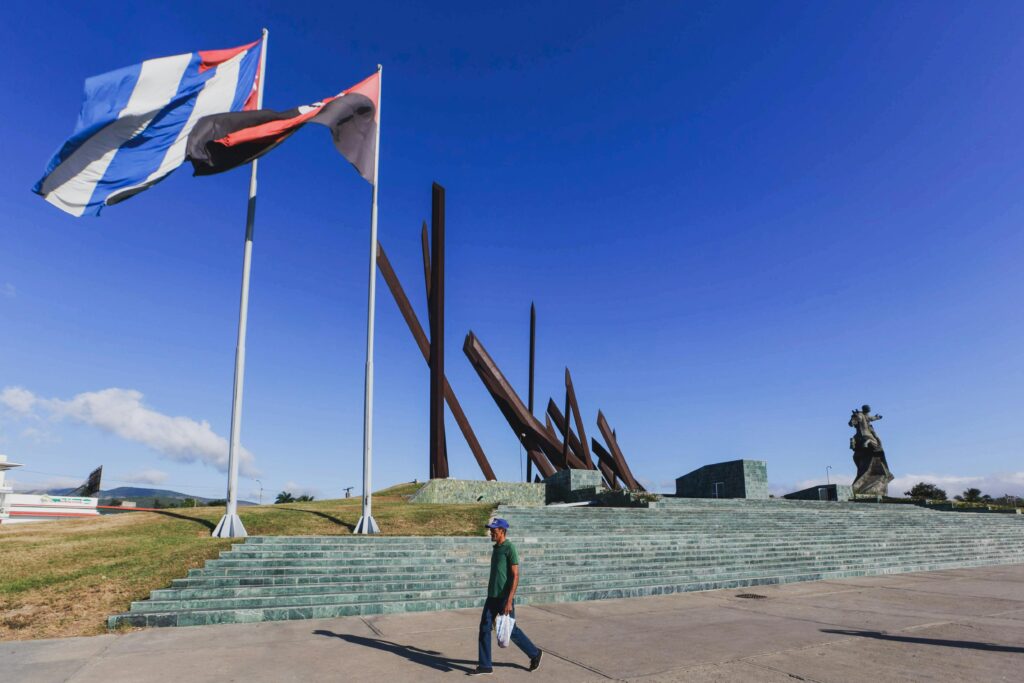
Tourism: A Pillar of Cuba’s Economy
Tourism plays a crucial role in Cuba’s economic structure.
It contributes to:
- Foreign currency earnings
- Employment across hospitality and services
- Support for small private businesses (known as cuentapropistas)
- Economic activity in key destinations like Havana, Varadero, and Trinidad
Before the pandemic, tourism was one of Cuba’s most important sources of income, alongside exports such as medical services.
The Impact of US Sanctions and Oil Restrictions
The United States has maintained a long-standing embargo on Cuba, but recent measures targeting energy supplies and oil shipments have added new pressure.
These restrictions affect Cuba in several ways:
Fuel Shortages
Limited access to fuel has led to:
- Reduced transportation services
- Difficulty operating tour buses and taxis
- Disruptions in supply chains
Tourists may face challenges moving between destinations, affecting overall travel experiences.
Power Outages
Energy shortages have contributed to:
- Frequent electricity blackouts
- Disruptions in hotels and restaurants
- Reduced reliability of services
For a tourism industry that depends on comfort and consistency, this creates significant challenges.
Increased Operating Costs
Businesses must navigate:
- Higher costs for fuel and goods
- Limited availability of essential supplies
- Reduced profit margins
These pressures are felt across both state-run and private tourism enterprises.
The Human Impact: Workers Under Strain
For tourism workers, the effects are personal and immediate.
Many report:
- Reduced working hours due to fewer visitors or operational limits
- Lower income from tips and wages
- Increased cost of living
Some workers who once relied on tourism for stable earnings are now facing economic uncertainty.
Migration and Career Shifts
As conditions worsen, some workers are:
- Leaving the tourism sector for other industries
- Seeking opportunities abroad
- Considering emigration as a long-term solution
This creates a potential brain drain in a sector that depends heavily on skilled and experienced workers.
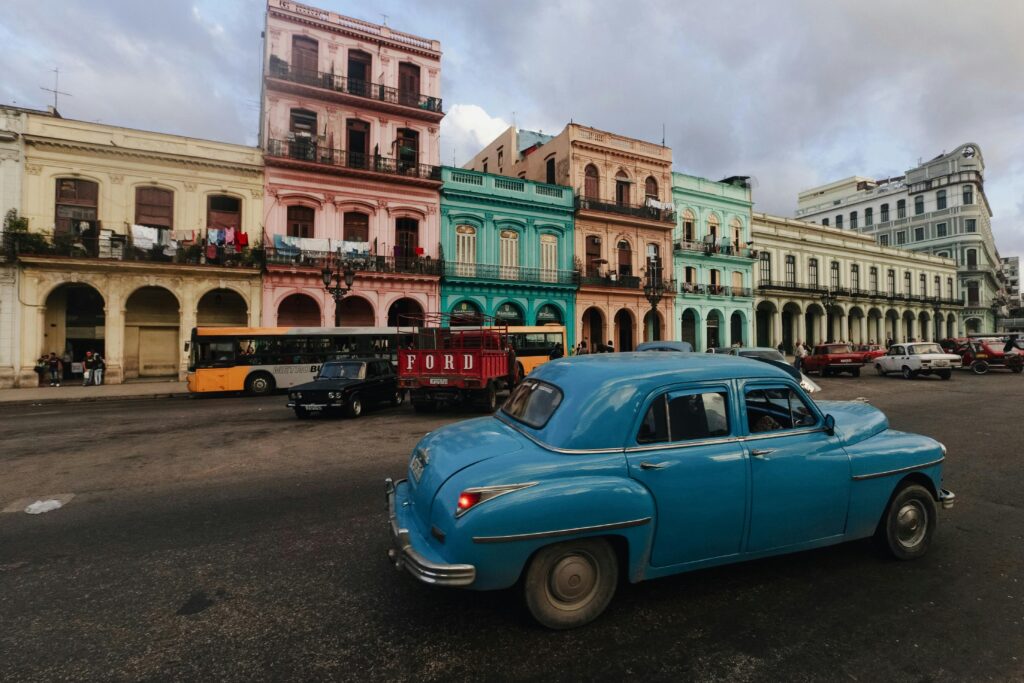
Declining Tourist Experience
The challenges facing workers and businesses also affect visitors.
Tourists may encounter:
- Transportation delays or cancellations
- Limited availability of services
- Power interruptions in accommodations
- Reduced access to attractions
While Cuba remains culturally rich and historically unique, these issues can influence traveler satisfaction.
The Role of Private Enterprises
In recent years, Cuba has allowed more private-sector participation in tourism.
Small businesses such as:
- Guesthouses (casas particulares)
- Private restaurants (paladares)
- Independent tour services
have become important parts of the tourism ecosystem.
However, these businesses are particularly vulnerable to:
- Supply shortages
- Fuel constraints
- Economic instability
Their resilience is critical to the sector’s recovery.
Global Context: Tourism Recovery Elsewhere
While Cuba struggles, many other destinations are experiencing strong tourism rebounds.
Countries in:
- Europe
- Southeast Asia
- The Middle East
are benefiting from increased travel demand, improved infrastructure, and stable supply chains.
This contrast highlights the unique challenges Cuba faces due to geopolitical factors.
Opportunities and Potential Solutions
Despite the difficulties, there are potential paths forward.
Diversifying Energy Sources
Investing in renewable energy could reduce dependence on imported fuel.
Expanding Tourism Markets
Cuba can focus on attracting visitors from:
- Canada
- Europe
- Latin America
to offset limitations related to US travelers.
Supporting Local Businesses
Strengthening the private sector can:
- Increase resilience
- Improve service quality
- Provide economic opportunities
Enhancing Infrastructure
Long-term investment in infrastructure can help stabilize tourism operations.
The Broader Impact on Cuban Society
Tourism is deeply connected to everyday life in Cuba.
When the sector struggles, it affects:
- Household incomes
- Access to goods and services
- Community development
The current challenges highlight how global politics can directly influence local livelihoods.
Frequently Asked Questions
Why is Cuba’s tourism industry struggling?
US sanctions, particularly those affecting oil supplies, have led to fuel shortages, power outages, and economic challenges.
How do fuel shortages affect tourism?
They disrupt transportation, increase costs, and limit the availability of services.
Are tourists still visiting Cuba?
Yes, but the experience may be affected by infrastructure and service challenges.
How are workers impacted?
Workers face reduced income, fewer opportunities, and increased financial pressure.
Is the private sector important in Cuban tourism?
Yes. Small businesses play a key role but are especially vulnerable to economic disruptions.
Can Cuba’s tourism industry recover?
Recovery is possible but depends on economic conditions, policy changes, and investment.
What makes Cuba unique as a destination?
Cuba offers rich culture, history, music, and architecture that continue to attract visitors.
Conclusion
Cuba’s tourism industry stands at a crossroads. While the country remains a culturally vibrant and appealing destination, external pressures—particularly energy-related sanctions—are creating significant challenges for workers and businesses alike.
The situation underscores the complex relationship between geopolitics and tourism. For Cuba, the path forward will require resilience, adaptation, and strategic investment.
For travelers, it also serves as a reminder that behind every destination are real people whose livelihoods depend on the flow of visitors—and whose lives can be profoundly affected when that flow is disrupted.
Sources Aljazeera

