

In an increasingly globalized world, stories about relationships that cross cultural and linguistic boundaries resonate with audiences everywhere. The stage production One Night in Tokyo explores this theme by focusing on how human connection can flourish even when words fail. Set in the vibrant and emotionally complex backdrop of Tokyo, the story reflects the experiences of many people navigating love, loneliness, and communication across language barriers.
The production highlights a universal idea: while language helps us communicate, true connection often relies on emotions, gestures, and shared experiences rather than words alone. By exploring the challenges and beauty of cross-cultural relationships, the play reflects a broader reality in modern society where international encounters and multicultural connections are becoming increasingly common.
This article examines the themes of One Night in Tokyo, the cultural context behind its story, and the broader significance of love that transcends language barriers.

The Story Behind One Night in Tokyo
One Night in Tokyo centers on two characters who come from different cultural and linguistic backgrounds. When they meet in Tokyo, they struggle to communicate verbally but gradually form a connection through shared experiences, body language, and emotional understanding.
The narrative unfolds over the course of a single night, emphasizing the intensity of fleeting encounters and the emotional depth that can emerge in a short period of time.
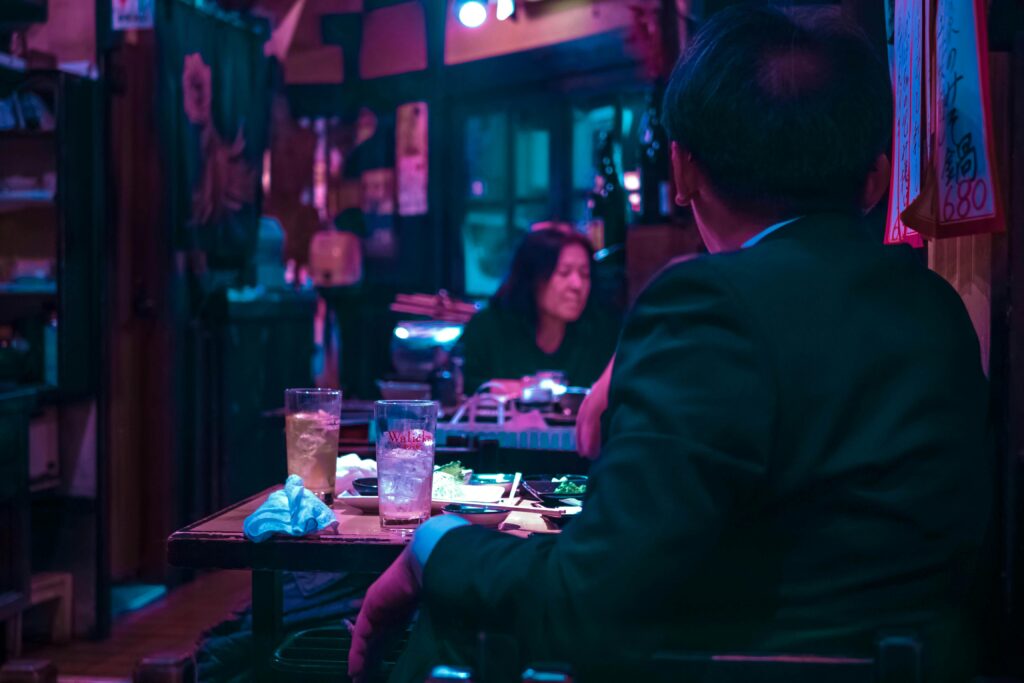
Tokyo serves as more than just a setting; it represents a global crossroads where people from different cultures, languages, and backgrounds intersect. The city’s neon-lit streets, crowded transit systems, and intimate late-night spaces create a compelling environment for spontaneous human encounters.
Why Tokyo Is a Symbolic Setting
Tokyo is one of the most internationally connected cities in the world. Millions of travelers, expatriates, students, and professionals pass through the city every year. Despite its global reputation, language barriers can still be significant for visitors who do not speak Japanese.
This makes Tokyo an ideal setting for stories about communication challenges.
At the same time, Japanese culture often emphasizes non-verbal communication and emotional nuance, which plays an important role in the story’s development.
Examples of non-verbal communication in Japanese culture include:
- Subtle facial expressions
- Tone and timing of speech
- Respectful gestures such as bowing
- Silence as a form of communication
These cultural elements add layers of meaning to interactions between characters.
Love Without Words: A Universal Theme
One of the central ideas explored in One Night in Tokyo is that love and emotional connection can transcend linguistic barriers.
This theme has appeared in literature, film, and theater across many cultures. Relationships that bridge language differences often rely heavily on:
- Physical presence
- Shared activities
- Emotional intuition
- Patience and curiosity
While verbal communication remains important, these relationships highlight the deeper ways humans connect.
For many international couples, the process of learning each other’s language can become a meaningful part of the relationship itself.
The Role of Non-Verbal Communication
Psychological research suggests that a significant portion of human communication occurs through non-verbal cues.
These cues include:
- Facial expressions
- Eye contact
- Gestures
- Posture
- Tone of voice
In cross-language relationships, these signals often become even more important.
For example, a smile, a reassuring touch, or a shared laugh can convey meaning more clearly than imperfectly translated words.
In the context of One Night in Tokyo, these subtle interactions become central to the emotional development of the story.
Cultural Differences in Expressing Love
Different cultures express affection and intimacy in different ways. These differences can create misunderstandings but also enrich relationships.
For instance:
- Some cultures emphasize verbal expressions of love.
- Others prioritize actions over words.
- In certain societies, emotional restraint is valued.
- In others, open emotional expression is encouraged.
Japanese culture often values subtlety and emotional restraint in public settings, which contrasts with more expressive cultures.
This contrast can create both tension and intrigue in cross-cultural relationships.
The Growing Reality of Cross-Cultural Relationships
The themes explored in One Night in Tokyo reflect broader global trends. As international travel, migration, and online communication expand, relationships between people from different cultural backgrounds are becoming increasingly common.
Factors contributing to this trend include:
- Global education and study-abroad programs
- International workplaces
- Online dating platforms
- Global tourism
- Cultural exchange programs
These connections bring opportunities for cultural learning but also require adaptability and open-mindedness.
Technology and Modern Communication
While One Night in Tokyo focuses on emotional communication beyond language, modern technology has also changed how multilingual relationships function.
Translation apps, messaging platforms, and video calls now allow couples to communicate across language barriers more easily.
However, technology cannot always capture the emotional nuances of conversation. Automated translations may miss humor, tone, or cultural meaning.
This limitation reinforces the importance of empathy and patience in cross-cultural communication.
The Emotional Impact of Temporary Encounters
Stories like One Night in Tokyo also explore the emotional power of brief encounters.
Travel and urban environments often create situations where strangers meet for a short time but share meaningful experiences. These moments can leave lasting emotional impressions.
Sometimes a single meaningful interaction can shape how people view love, culture, and communication.
Art and Storytelling as Cultural Bridges
Theater and storytelling play a powerful role in helping audiences understand different cultures.
Productions like One Night in Tokyo allow viewers to explore themes of:
- Cultural identity
- Language barriers
- Emotional vulnerability
- Human connection
By presenting these themes on stage, the play encourages audiences to reflect on their own experiences with communication, travel, and relationships.
Frequently Asked Questions (FAQs)
1. What is One Night in Tokyo about?
It is a story that explores a brief but meaningful connection between two people who struggle to communicate due to language differences.
2. Why is Tokyo an important setting for the story?
Tokyo is a global city where people from many cultures meet, making it an ideal backdrop for a story about cross-cultural relationships.
3. Can people fall in love without sharing a common language?
Yes. Many relationships develop through emotional connection, shared experiences, and non-verbal communication.
4. What role does non-verbal communication play in relationships?
Non-verbal cues such as facial expressions, gestures, and tone often convey emotions more clearly than words.
5. Do cultural differences affect romantic relationships?
Yes. Cultural expectations around communication, affection, and conflict resolution can influence relationships.
6. Can translation apps help multilingual couples?
They can assist with basic communication but may not fully capture emotional nuance or cultural meaning.
7. Why do stories about cross-cultural love resonate with audiences?
They reflect universal experiences of vulnerability, curiosity, and the human desire for connection.
8. Are cross-language relationships becoming more common?
Yes. Global travel, digital communication, and cultural exchange have increased the number of international relationships.
Conclusion
One Night in Tokyo captures a powerful truth about human relationships: communication goes far beyond words. In a world where people from different cultures interact more than ever before, stories about love across language barriers reflect the universal desire to connect.
Whether through gestures, shared experiences, or emotional intuition, humans have always found ways to bridge linguistic divides. The story reminds us that while language can sometimes separate us, empathy, curiosity, and openness can bring people together in profound ways.
Ultimately, the play celebrates the idea that love is not defined by vocabulary or grammar—but by understanding.

Sources The Eastern Echo

