
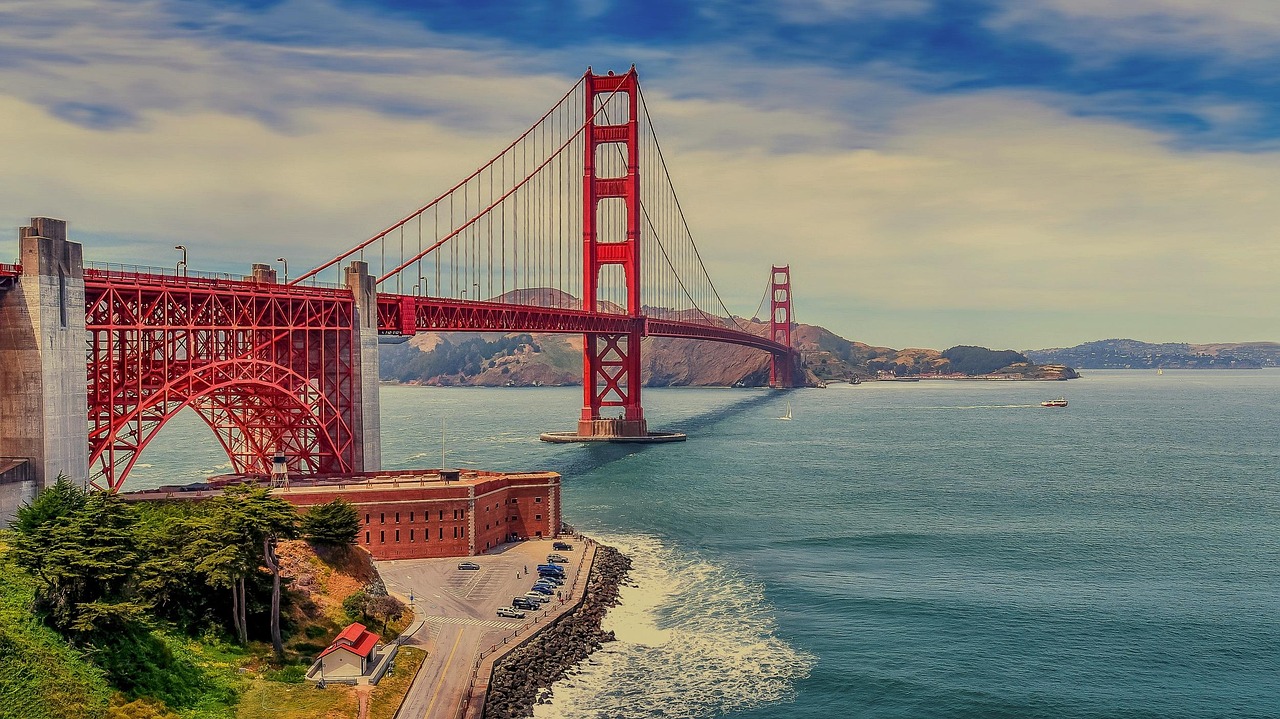
For decades, the United States has been one of the world’s most visited destinations, attracting millions of international travelers each year with its iconic cities, natural wonders, and cultural influence. However, a growing number of global travelers are beginning to reconsider or postpone trips to the U.S..
While the referenced BBC article highlights this emerging trend, the broader story is more complex. The shift reflects a mix of political perceptions, economic realities, visa challenges, safety concerns, and changing global travel preferences. Together, these factors are reshaping how the U.S. is viewed as a travel destination in 2026 and beyond.
The Changing Perception of the United States
1. Political Climate and Global Image
International travelers are increasingly influenced by:
- Political rhetoric and policy decisions
- Media coverage of social issues
- Perceived polarization within the country
For some visitors, travel is not just about sightseeing—it’s about how comfortable and welcomed they feel. Political narratives can significantly shape that perception.
2. Cultural and Social Considerations
Travelers today are more values-driven. They consider:
- Inclusivity and diversity
- Social stability
- Alignment with personal beliefs
If a destination is perceived as politically or socially tense, it may influence travel decisions—even if the actual risks are low.
Economic Barriers to Visiting the U.S.
1. Strong U.S. Dollar
A strong dollar makes travel more expensive for international visitors:
- Higher accommodation and dining costs
- Increased prices for attractions and transportation
This reduces affordability compared to other destinations.
2. Rising Travel Costs
Post-pandemic inflation has driven up:
- Airfare
- Hotel rates
- Insurance and travel-related expenses
Travelers may choose destinations offering better value for money.
Visa and Entry Challenges
1. Lengthy Visa Processes
For many travelers, obtaining a U.S. visa involves:
- Long waiting times
- Complex application procedures
- High fees
This can discourage travel, especially for short trips.
2. Border Experience Concerns
Reports of strict border control processes may create anxiety:
- Fear of being denied entry
- Lengthy questioning or delays
- Uncertainty about requirements
Even isolated incidents can influence broader perceptions.
Safety and Security Perceptions
While the U.S. remains a generally safe destination, international media coverage often emphasizes:
- Gun violence incidents
- Urban crime in certain cities
- Public safety debates
These perceptions—whether statistically representative or not—can affect travel decisions.
Competition from Other Global Destinations
1. Europe and Asia as Alternatives
Many travelers are choosing:
- European destinations with easier visa access
- Asian countries offering affordability and cultural richness
These regions often provide:
- Competitive pricing
- Streamlined entry processes
- Strong tourism marketing
2. Emerging Destinations
Countries investing heavily in tourism infrastructure are attracting visitors with:
- Unique experiences
- Sustainable tourism offerings
- Less crowded environments
The Rise of Values-Based Travel
Modern travelers increasingly prioritize:
- Ethical considerations
- Environmental sustainability
- Cultural authenticity
Destinations that align with these values often gain preference over traditional tourism giants.

Domestic and Regional Travel Trends
Instead of long-haul trips to the U.S., many travelers are opting for:
- Domestic tourism within their own countries
- Regional travel within nearby continents
This shift is driven by:
- Lower costs
- Convenience
- Reduced travel uncertainty
Impact on the U.S. Tourism Industry
A decline or slowdown in international visitors can have wide-ranging effects:
1. Economic Consequences
- Reduced revenue for hotels, airlines, and attractions
- Impact on local businesses dependent on tourism
- Decreased tax income in major tourist cities
2. Cultural Impact
Fewer international visitors mean:
- Less cultural exchange
- Reduced global engagement
Tourism is not just economic—it’s also a form of soft diplomacy.
How the U.S. Can Respond
1. Simplifying Visa Processes
- Streamlining applications
- Reducing wait times
- Expanding visa waiver programs
2. Improving Global Messaging
- Promoting inclusivity and diversity
- Highlighting positive travel experiences
- Countering negative perceptions
3. Enhancing Visitor Experience
- Improving airport and border processes
- Investing in tourism infrastructure
- Offering better value for money
4. Emphasizing Unique Attractions
The U.S. still offers unmatched experiences:
- National parks like Yellowstone and the Grand Canyon
- Cultural hubs like New York and Los Angeles
- Diverse landscapes and regional identities
The Future of Travel to the U.S.
The current trend does not necessarily signal a long-term decline but rather a recalibration of global travel patterns.
Future recovery will depend on:
- Economic conditions
- Policy changes
- Shifts in global perceptions
The U.S. remains a highly desirable destination—but it must adapt to evolving traveler expectations.
Frequently Asked Questions (FAQs)
1. Why are some travelers avoiding trips to the U.S.?
Key reasons include high costs, visa difficulties, political perceptions, and safety concerns.
2. Is the U.S. still safe for tourists?
Yes, the U.S. is generally safe, but perceptions influenced by media coverage can affect traveler decisions.
3. Are visa processes really that difficult?
For some countries, visa processes can be lengthy and complex, which may discourage travel.
4. What alternatives are travelers choosing instead?
Many are opting for Europe, Asia, or domestic travel due to affordability and convenience.
5. Will tourism to the U.S. decline long-term?
Not necessarily. Trends may reverse depending on economic and political changes.
6. What can the U.S. do to attract more visitors?
Simplifying visas, improving messaging, and enhancing visitor experiences can help.
7. Is this trend affecting all types of travelers?
Not equally. Business travel and high-income tourists may be less affected, while budget travelers are more sensitive to costs.
Conclusion
The reconsideration of travel to the United States reflects a broader in global tourism—where perception, value, and convenience increasingly shape decisions. While the U.S. continues to offer world-class attractions, it faces growing competition and evolving traveler expectations.
To remain a top destination, the country must address both practical barriers and perceptual challenges. In doing so, it can ensure that its tourism industry remains resilient, competitive, and globally appealing in the years ahead.
Sources BBC

