
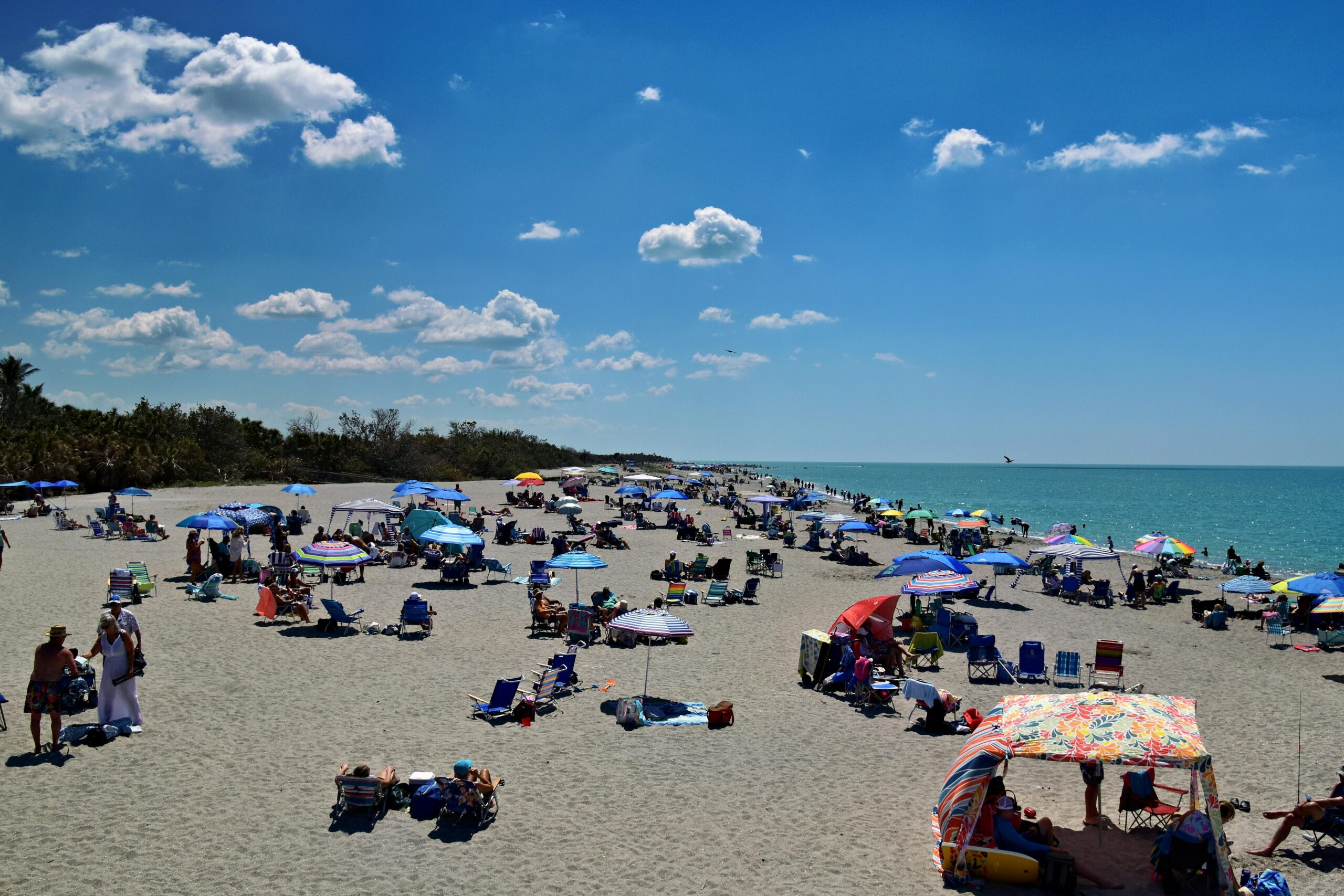
For decades, Canadian “snowbirds”—retirees and seasonal travelers escaping harsh winters—have flocked to Florida, particularly to Greater Fort Lauderdale. Known for its warm climate, beaches, and welcoming communities, the region has long been a second home for thousands of Canadians each year.
However, recent trends suggest that this long-standing migration pattern is evolving. While the referenced CNN article highlights shifts in Canadian snowbird travel to Florida, the broader picture reveals a complex interplay of economic pressures, policy changes, climate concerns, and evolving lifestyle preferences.
Who Are the Canadian Snowbirds?
“Snowbirds” typically refer to:
- Retirees or semi-retirees
- Long-term seasonal visitors (often 3–6 months)
- Canadians seeking warmer climates during winter
They are a crucial demographic for Florida because they:
- Spend extended periods in the region
- Contribute significantly to the local economy
- Often own or rent property
Why Fort Lauderdale Has Been a Top Destination
1. Climate and Lifestyle
Florida offers:
- Warm winter temperatures
- Sunshine and outdoor activities
- A relaxed, vacation-oriented lifestyle
2. Established Canadian Communities
Over time, snowbirds have built:
- Social networks
- Community groups
- Familiar routines
This sense of belonging makes repeat visits more likely.
3. Accessibility
Fort Lauderdale is easily accessible via:
- Direct flights from major Canadian cities
- Well-developed tourism infrastructure
Signs of Change: A Declining or Shifting Trend
Recent observations indicate:
- Fewer long-term stays by Canadian snowbirds
- Shorter visits instead of extended seasonal stays
- Some travelers choosing alternative destinations
This does not mean the trend is disappearing—but it is clearly evolving.
Key Factors Behind the Shift
1. Currency Exchange Rates
A strong U.S. dollar compared to the Canadian dollar makes Florida:
- More expensive for accommodation
- Costlier for dining, healthcare, and daily expenses
This significantly impacts retirees on fixed incomes.
2. Rising Cost of Living in Florida
Florida has seen increases in:
- Property prices
- Rental rates
- Insurance premiums (especially after climate-related events)
These rising costs make long-term stays less affordable.
3. Insurance and Property Challenges
Homeowners face:
- Higher insurance costs due to hurricanes and climate risks
- Increased maintenance expenses
Some snowbirds are selling properties or reconsidering ownership.
4. Healthcare and Insurance Considerations
Cross-border healthcare remains a concern:
- Travel insurance costs have risen
- Access to healthcare services can be complex
- Longer stays may increase insurance premiums
5. Climate Change and Weather Risks
Florida’s vulnerability to:
- Hurricanes
- Flooding
- Extreme heat
is influencing travel decisions, particularly among older travelers seeking stability.
6. Changing Travel Preferences
Modern retirees are more flexible:
- предпочитают exploring multiple destinations instead of returning to one place
- Interested in cultural, experiential, and international travel
7. Political and Social Factors
Perceptions of:
- Political climate
- Social environment
can influence comfort levels and destination choices.

Economic Impact on Greater Fort Lauderdale
Canadian snowbirds have historically been a major economic driver.
1. Local Business Revenue
They support:
- Restaurants and cafés
- Retail stores
- Entertainment venues
2. Real Estate Market
Snowbirds influence:
- Property demand
- Rental markets
- Seasonal housing trends
3. Employment
Tourism-related jobs depend on:
- Seasonal visitors
- Long-term stays
A shift in snowbird patterns can impact employment stability.
How the Region Is Adapting
1. Diversifying Tourism Markets
Fort Lauderdale is increasingly targeting:
- Younger travelers
- International tourists from other regions
- Short-term vacationers
2. Enhancing Visitor Experience
Investments include:
- Upgraded infrastructure
- Waterfront development
- Cultural and entertainment offerings
3. Flexible Accommodation Options
Hotels and rental platforms are adapting to:
- Shorter stays
- Flexible booking preferences
Alternative Destinations for Canadian Snowbirds
Some Canadians are exploring:
1. Domestic Options
- British Columbia
- Southern Ontario (milder regions)
2. International Destinations
- Mexico
- Caribbean countries
- Southern Europe
These destinations may offer:
- Lower costs
- Different cultural experiences
- Favorable exchange rates
The Future of the Snowbird Lifestyle
The snowbird tradition is unlikely to disappear—but it is transforming.
Emerging Trends:
- Shorter, more frequent trips
- Greater destination diversity
- Increased reliance on digital tools for planning
Opportunities for Reinvention
Florida can maintain its appeal by:
- Addressing affordability concerns
- Improving climate resilience
- Enhancing healthcare accessibility
- Promoting long-stay incentives
Frequently Asked Questions (FAQs)
1. Why are fewer Canadians staying long-term in Florida?
Rising costs, exchange rates, insurance challenges, and changing travel preferences are key factors.
2. Are Canadian snowbirds still visiting Florida?
Yes, but many are opting for shorter stays or exploring alternative destinations.
3. How important are snowbirds to Florida’s economy?
They are highly important, contributing significantly to local businesses, real estate, and tourism revenue.
4. Is Florida becoming too expensive for retirees?
For some, yes. Increasing costs are making it less accessible for long-term seasonal stays.
5. What alternatives are Canadians choosing?
Mexico, the Caribbean, and parts of Europe are becoming popular alternatives.
6. Will the snowbird trend disappear?
No, but it will likely continue evolving with changing economic and lifestyle factors.
7. How can Florida attract more Canadian visitors again?
By improving affordability, enhancing services, and adapting to new travel trends.
Conclusion
The story of Canadian snowbirds in Greater Fort Lauderdale is one of transition rather than decline. While economic pressures and changing preferences are reshaping traditional patterns, the underlying appeal of Florida—its climate, lifestyle, and accessibility—remains strong.
The challenge now is adaptation. By responding to these shifts with innovation and flexibility, Fort Lauderdale can continue to welcome Canadian visitors—just in new and evolving ways.
Sources CNN

