

The countdown to the 2026 FIFA World Cup has already triggered a ripple effect across the United States—and it’s not just about soccer. It’s about soaring hotel prices, shifting travel patterns, and a tourism boom that could redefine how major sporting events impact entire economies.
As millions of fans prepare to flood host cities, the question isn’t whether prices will rise—it’s how dramatically, and who will benefit (or struggle) as a result.
A Tourism Surge Like No Other
The 2026 World Cup, co-hosted by the United States, Canada, and Mexico, is expected to be the largest in FIFA history, with 48 teams and millions of international visitors.
What makes this World Cup different?
- More matches than ever before
- More host cities across North America
- Longer tournament duration
- Increased global fan participation
For the U.S., this translates into a massive tourism opportunity. Cities like New York, Los Angeles, Miami, Dallas, and Atlanta are preparing for an unprecedented influx of visitors.
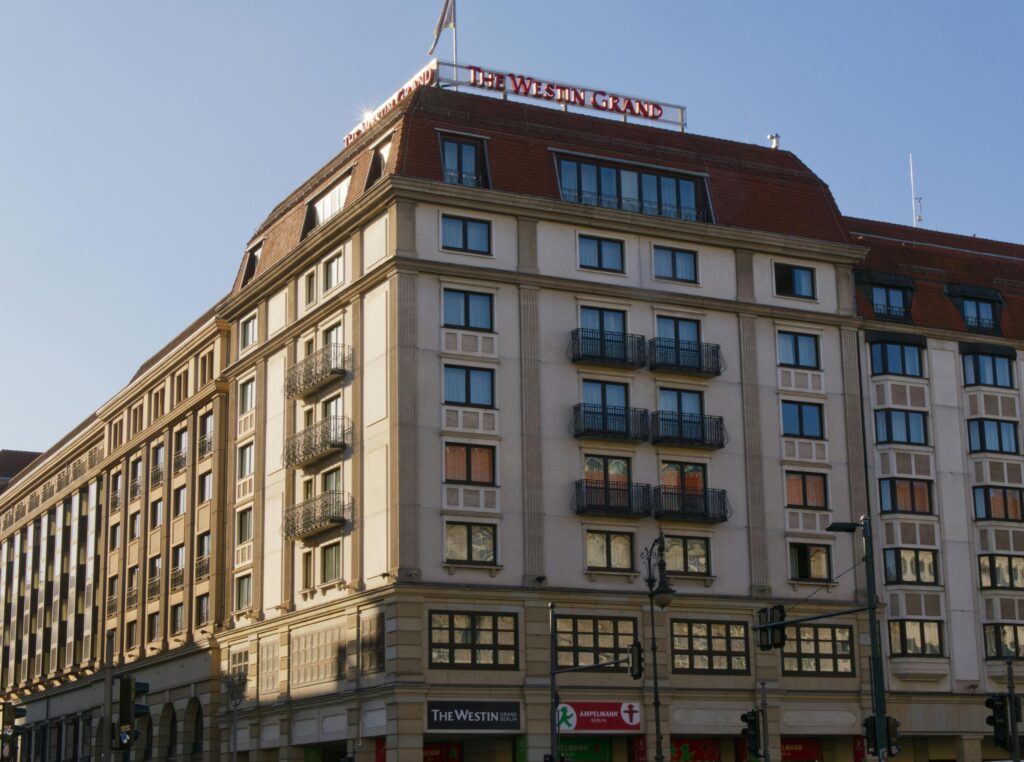
Hotel Prices Are Already Climbing
One of the most immediate and noticeable impacts is the spike in hotel prices—even years before kickoff.
Why prices are rising early:
- Anticipation-driven demand: Travelers are booking far in advance
- Limited inventory in high-demand urban areas
- Dynamic pricing models used by hotel chains
- Speculative bookings by resellers and agencies
During past World Cups, hotel rates have increased by 2x to 5x in host cities. Early indicators suggest similar—or even higher—spikes for 2026.
What travelers may face:
- Premium rates for centrally located hotels
- Minimum stay requirements (e.g., 3–5 nights)
- Non-refundable booking policies
- Limited availability months in advance
Beyond Hotels: The Ripple Effect on Travel Costs
Accommodation is just one piece of the puzzle. The World Cup affects nearly every aspect of travel.
1. Flights
Airfare typically surges due to:
- Increased international arrivals
- Limited seat availability
- Peak-season scheduling
2. Short-Term Rentals
Platforms like Airbnb may:
- Raise nightly rates significantly
- Introduce stricter booking conditions
- Experience regulatory pressure in some cities
3. Transportation
- Ride-sharing prices increase due to demand
- Public transport systems may expand—but also become crowded
- Car rentals become scarce and more expensive
4. Food and Entertainment
Restaurants, bars, and attractions often adjust pricing due to:
- Higher demand
- Extended operating hours
- Special event pricing
Who Benefits from the Boom?
While travelers may feel the pinch, many sectors stand to gain.
Key beneficiaries:
- Hotels and hospitality groups
- Local businesses (restaurants, retail, entertainment)
- Tour operators and travel agencies
- Cities through tax revenue and global exposure
The World Cup often brings billions in economic activity, boosting local economies long after the final match.
The Hidden Challenges
However, the surge isn’t without downsides.
1. Price Inflation for Locals
Residents in host cities may face:
- Higher rent (due to short-term rental conversions)
- Increased cost of living
- Overcrowding in public spaces
2. Infrastructure Strain
Cities must handle:
- Transportation congestion
- Security demands
- Increased waste and environmental impact
3. Accessibility Concerns
Higher prices may:
- Exclude budget travelers
- Limit access for local fans
- Create a more commercialized experience
Strategies for Travelers: How to Beat the Price Surge
If you’re planning to attend the 2026 World Cup, preparation is everything.
Smart booking tips:
- Book early (as soon as match schedules are released)
- Consider nearby cities with lower accommodation costs
- Use public transport hubs to stay farther from stadiums
- Travel in groups to split costs
- Monitor price alerts for flights and hotels
Alternative options:
- Stay in smaller towns within commuting distance
- Explore host cities with multiple stadium access
- Consider package deals that bundle tickets and lodging
What the Original Coverage Didn’t Fully Explore
While much attention is given to rising hotel prices, there are broader implications worth highlighting:
1. Long-Term Tourism Growth
Host cities often see sustained tourism increases years after the event due to global exposure.
2. Real Estate Shifts
Short-term rental demand may:
- Push property investors to convert housing into tourist accommodations
- Reduce long-term rental availability
3. Technology’s Role
- AI-driven pricing algorithms are making hotel rates more volatile
- Travel apps help users track and predict price changes
4. Sustainability Concerns
- Increased travel contributes to carbon emissions
- Cities are under pressure to implement greener tourism strategies
Frequently Asked Questions (FAQs)
1. Will hotel prices really increase that much for the World Cup?
Yes. Historically, prices in host cities can double or even triple due to high demand and limited supply.
2. When should I book accommodation?
As early as possible—ideally right after match schedules and venues are confirmed.
3. Are cheaper options available?
Yes. Consider:
- Staying outside major city centers
- Booking shared accommodations
- Using budget hotels or hostels
4. Will flights also be more expensive?
Very likely. Increased global demand typically drives airfare prices up during major events.
5. Is it better to stay in one city or travel between matches?
Staying in one city is usually more cost-effective, but traveling between cities offers a broader experience if budget allows.
6. How can locals prepare for the influx of tourists?
- Plan transportation routes in advance
- Expect crowded public spaces
- Take advantage of economic opportunities if possible
7. Will prices drop closer to the event?
Not usually. Prices tend to rise as availability decreases, though last-minute deals can occasionally appear.
Final Thoughts
The 2026 World Cup is more than a sporting event—it’s an economic force that reshapes travel, pricing, and urban life.
For travelers, it’s a balancing act between excitement and expense. For cities, it’s an opportunity wrapped in logistical challenges. And for the global audience, it’s a reminder that the world’s biggest events don’t just happen on the field—they transform everything around them.
If you’re planning to be part of it, one thing is certain: the earlier you prepare, the better your experience will be.
Sources The New York Times

