
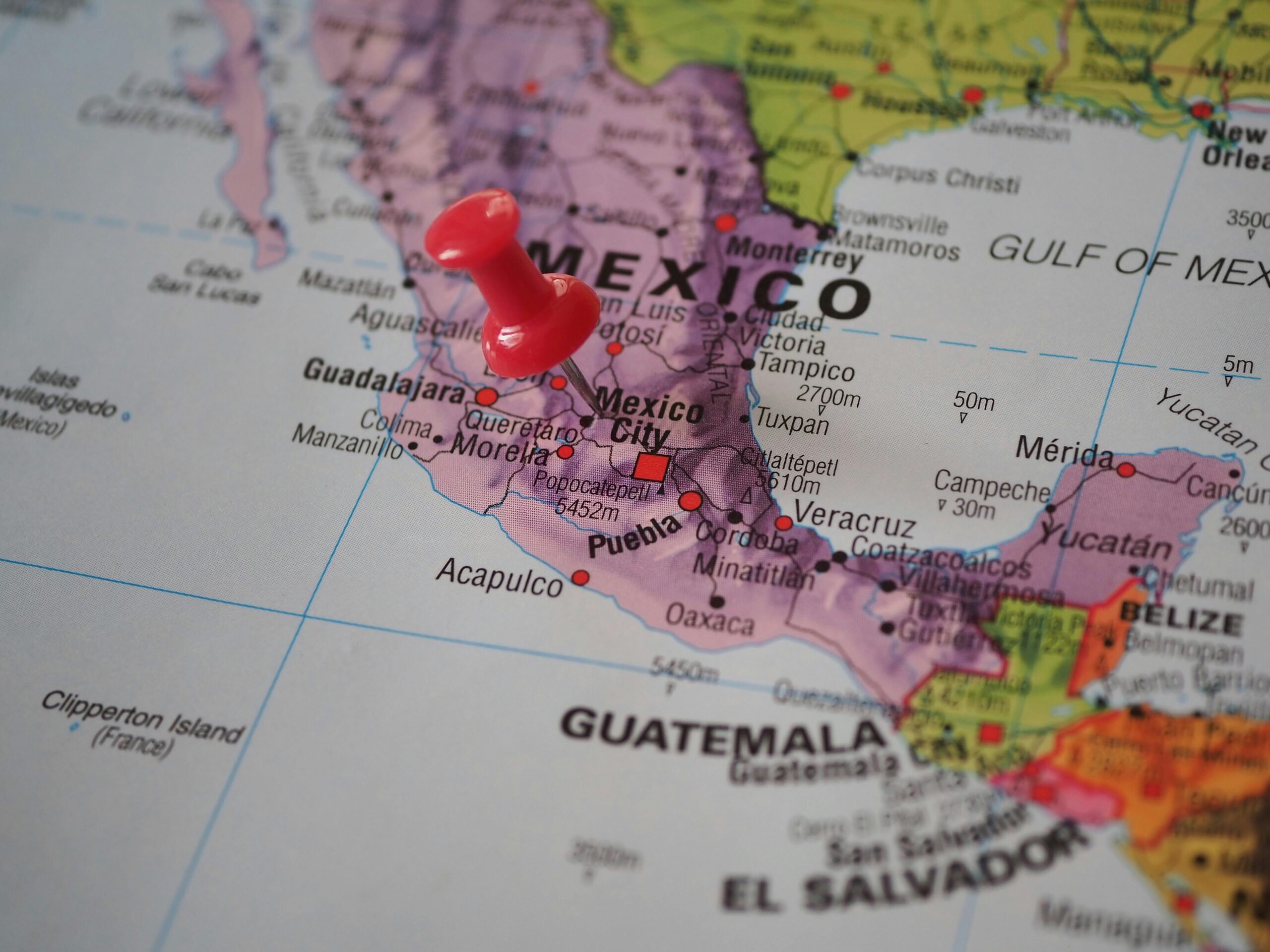
As global travel rebounds and major international events approach, Mexico is taking decisive steps to reinforce safety at its most popular tourist destinations. The move comes amid growing concerns about security perceptions and a desire to protect one of the country’s most vital economic sectors—tourism.
But this initiative goes far beyond simply adding more police presence. It reflects a broader strategy to balance safety, economic growth, and international confidence.

Why Mexico Is Increasing Security at Tourist Sites
Tourism is a cornerstone of Mexico’s economy, contributing significantly to employment, foreign exchange, and regional development. Destinations like Cancún, Tulum, Los Cabos, and Mexico City attract millions of visitors each year.
Key reasons behind the security boost:
- Rising global travel demand post-pandemic
- High-profile international events (including the 2026 World Cup)
- Concerns over crime affecting tourist confidence
- Government efforts to strengthen international reputation
Even isolated incidents can have a disproportionate impact on how safe a destination feels to potential visitors. Mexico’s response aims to address both real risks and public perception.
What “Beefed-Up Security” Actually Looks Like
The phrase may sound simple, but the strategy is multi-layered and increasingly sophisticated.
1. Increased Police and National Guard Presence
Tourist hotspots are seeing:
- More uniformed officers
- Patrols in high-traffic areas like beaches, resorts, and historic centers
- Rapid-response units for emergencies
2. Surveillance and Technology
Modern security measures include:
- Expanded CCTV networks
- Facial recognition and monitoring systems in key zones
- Data-driven crime prevention strategies
3. Tourist Protection Units
Some areas deploy specialized forces trained to:
- Assist international visitors
- Handle language barriers
- Provide guidance and emergency support
4. Coordination with Private Sector
Hotels, resorts, and tour operators are:
- Enhancing their own security protocols
- Sharing information with authorities
- Implementing stricter access controls
The Role of the 2026 World Cup
Mexico will co-host the 2026 FIFA World Cup, placing it firmly in the global spotlight.
Why this matters:
- Millions of international visitors are expected
- Global media attention will be intense
- Safety perceptions will directly impact tourism revenue
Security upgrades are not just about current travelers—they are part of long-term preparation for hosting one of the world’s largest sporting events.
Balancing Safety and Visitor Experience
While increased security can improve safety, it also raises important questions about the travel experience.
Potential benefits:
- Greater peace of mind for tourists
- Faster response to emergencies
- Improved international reputation
Possible concerns:
- Over-policing may feel intimidating to some visitors
- Privacy concerns with increased surveillance
- Impact on the relaxed atmosphere of beach destinations
The challenge lies in creating a visible yet non-intrusive security presence.

Economic Impact of Enhanced Security
Stronger security measures can have a direct financial payoff.
Positive outcomes:
- Increased tourist arrivals
- Higher spending in local economies
- More investment in hospitality and infrastructure
Costs involved:
- Government spending on personnel and technology
- Maintenance of surveillance systems
- Training and coordination efforts
In the long run, the investment is often justified if it sustains tourism growth and prevents major incidents.
What the Original Coverage Didn’t Fully Explore
Beyond the immediate announcement, several broader issues deserve attention:
1. Community Involvement
Local communities play a crucial role in:
- Reporting suspicious activity
- Supporting safe tourism practices
- Maintaining a welcoming environment
2. Travel Insurance and Safety Awareness
Tourists are increasingly:
- Purchasing comprehensive travel insurance
- Using safety apps and real-time alerts
- Researching destinations more thoroughly
3. Regional Differences in Safety
Not all areas of Mexico face the same challenges. Tourist zones are often heavily protected, while other regions may have different risk levels.
4. Long-Term Reputation Management
Security improvements are part of a larger effort to:
- Rebuild trust
- Compete with other global destinations
- Position Mexico as a safe, world-class travel hub
Practical Safety Tips for Travelers
Even with enhanced security, travelers should remain proactive.
Smart travel habits:
- Stick to well-known tourist areas
- Avoid displaying valuables openly
- Use authorized transportation services
- Stay informed about local advisories
- Keep emergency contacts accessible
Being aware and prepared can significantly improve your travel experience.
Frequently Asked Questions (FAQs)
1. Is Mexico safe for tourists right now?
Many tourist areas are considered safe, especially with increased security measures. However, safety can vary by region, so it’s important to research specific destinations.
2. What areas have the most security presence?
Popular destinations like Cancún, Riviera Maya, Los Cabos, and major cities typically have the strongest security presence.
3. Will increased security affect my vacation experience?
Most travelers will notice added safety without major disruptions, though some may observe more visible patrols and checkpoints.
4. Why is Mexico focusing on tourist security now?
The combination of rising travel demand and upcoming global events like the 2026 World Cup has made security a top priority.
5. Should I still take personal safety precautions?
Yes. Enhanced security helps, but personal awareness and caution remain essential.
6. Are resorts safer than other areas?
Resorts often have private security and controlled access, making them generally safer environments for tourists.
7. How can I stay updated on safety conditions?
Check official travel advisories, local news, and updates from your embassy or consulate.
Final Thoughts
Mexico’s decision to strengthen security at tourist sites reflects a proactive approach to safeguarding one of its most valuable industries. It’s not just about preventing crime—it’s about building confidence, ensuring positive experiences, and preparing for a future where global attention will be higher than ever.
For travelers, this means greater reassurance—but also a reminder that smart, informed travel is always the best companion on any journey.

Sources NPR

