
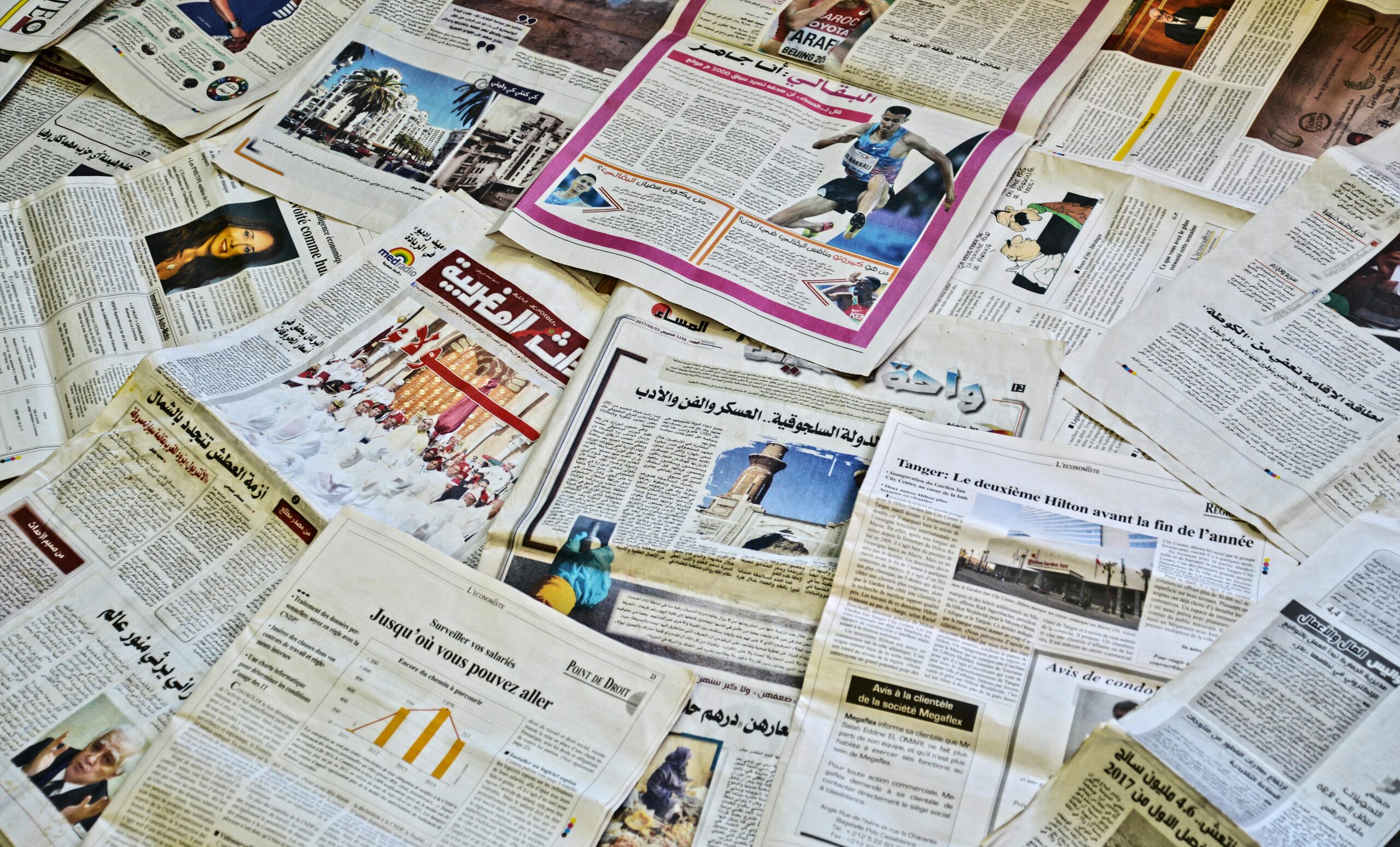
What if language itself were the main character of a book—shifting, dancing, and transforming across cultures, histories, and identities? If This Be Magic invites readers into exactly that kind of literary experience: one where words are not just tools for storytelling, but the story itself.
This work stands out as a celebration of linguistic richness, blending multiple languages, styles, and traditions into a single, immersive reading journey. But beyond its artistry, it also raises deeper questions about how language shapes who we are, how we connect, and how literature evolves in a globalized world.

The Core Idea: Language as a Living, Breathing Force
At its heart, If This Be Magic explores language not as a static system, but as something fluid and alive.
Key themes include:
- Multilingual expression: The interplay of different languages within a single narrative
- Cultural identity: How language reflects heritage and belonging
- Translation and transformation: The idea that meaning shifts across linguistic boundaries
- The musicality of words: Language as rhythm, sound, and emotion—not just meaning
Rather than presenting language as a barrier, the book treats it as a bridge—one that connects diverse voices and experiences.
A Literary Mosaic: Structure and Style
Unlike conventional narratives, If This Be Magic is often described as a “feast” because of its layered and varied composition.
What makes its structure unique:
- A blend of essays, reflections, and poetic passages
- Frequent shifts in tone and voice
- Use of multiple languages, sometimes within the same passage
- A nonlinear approach that prioritizes experience over plot
This style can feel challenging at times, but it’s intentionally designed to mirror the complexity of language itself.
Why Multilingual Literature Matters Today
In an increasingly interconnected world, multilingual literature is gaining importance.
1. Reflecting global identities
Many people today navigate multiple languages in their daily lives. Literature that mirrors this reality feels more authentic and inclusive.
2. Expanding reader perspectives
Encountering unfamiliar words or structures encourages readers to:
- Slow down
- Interpret meaning more actively
- Appreciate linguistic diversity
3. Challenging dominant narratives
English has long dominated global publishing. Works like If This Be Magic push back by:
- Elevating other languages
- Highlighting translation as an art form
- Valuing linguistic hybridity
The Art and Challenge of Translation
One of the most fascinating aspects of multilingual works is the role of translation.
Translation is not just conversion—it’s creation:
- Words rarely have exact equivalents across languages
- Cultural context shapes meaning
- Tone, humor, and nuance can shift dramatically
In If This Be Magic, translation becomes part of the narrative experience, reminding readers that meaning is never fixed.
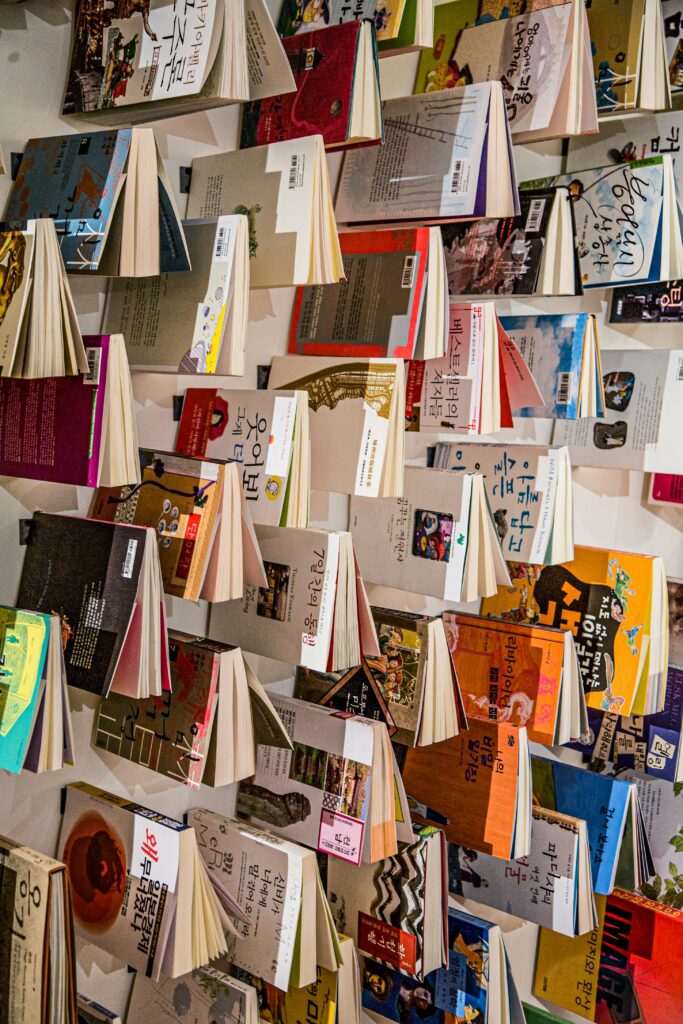
Emotional and Intellectual Impact on Readers
Reading a linguistically rich work like this can feel very different from reading a traditional novel.
Readers may experience:
- Moments of confusion or disorientation
- A deeper engagement with the text
- A heightened awareness of how language works
- Emotional resonance that transcends literal understanding
In many ways, the book asks readers to surrender the need for complete comprehension and instead embrace the beauty of partial understanding.
What the Original Review Didn’t Fully Explore
While reviews often focus on the book’s linguistic brilliance, there are broader implications worth considering:
1. The future of literature
Books like this suggest a shift toward:
- Hybrid storytelling forms
- Cross-cultural narratives
- Experimental structures
2. Accessibility vs. artistry
There’s an ongoing tension between:
- Making literature widely accessible
- Preserving artistic complexity
Multilingual works challenge traditional expectations of readability.
3. Educational value
Such texts can:
- Enhance language learning
- Encourage cultural curiosity
- Promote critical thinking about communication
4. Language preservation
Digital tools and global publishing platforms are helping:
- Preserve endangered languages
- Share diverse voices with wider audiences
Who Should Read If This Be Magic?
This book may not appeal to everyone—but for the right reader, it can be transformative.
Ideal readers include:
- Language enthusiasts
- Writers and poets
- Readers interested in global literature
- Anyone curious about how language shapes thought
Those looking for a straightforward, plot-driven story may find it challenging—but also rewarding if they’re open to a different kind of experience.
Frequently Asked Questions (FAQs)
1. Is If This Be Magic difficult to read?
It can be, especially due to its multilingual elements and unconventional structure. However, the challenge is part of the intended experience.
2. Do I need to know multiple languages to enjoy it?
No. While knowing other languages can enhance understanding, the book is designed to be appreciated even without full comprehension.
3. What genre does the book fall into?
It blends multiple genres, including literary criticism, essays, and poetic prose, making it difficult to categorize.
4. Why do authors use multiple languages in one book?
To reflect real-world communication, explore identity, and create richer, more layered narratives.
5. Is this type of literature becoming more common?
Yes. As globalization increases, more authors are experimenting with multilingual and hybrid forms of storytelling.
6. What is the main takeaway from the book?
Language is not just a tool—it’s an evolving, expressive force that shapes how we see the world.
7. Who might not enjoy this book?
Readers who prefer linear plots, clear narratives, and straightforward language may find it less accessible.
Final Thoughts
If This Be Magic is not just a book—it’s an experience. It challenges the way we read, the way we understand language, and even the way we think about storytelling itself.
In a world where communication is often simplified and standardized, this work reminds us of something essential: language, in all its complexity and diversity, is one of humanity’s greatest forms of magic.

Sources The Wall Street Journal

