
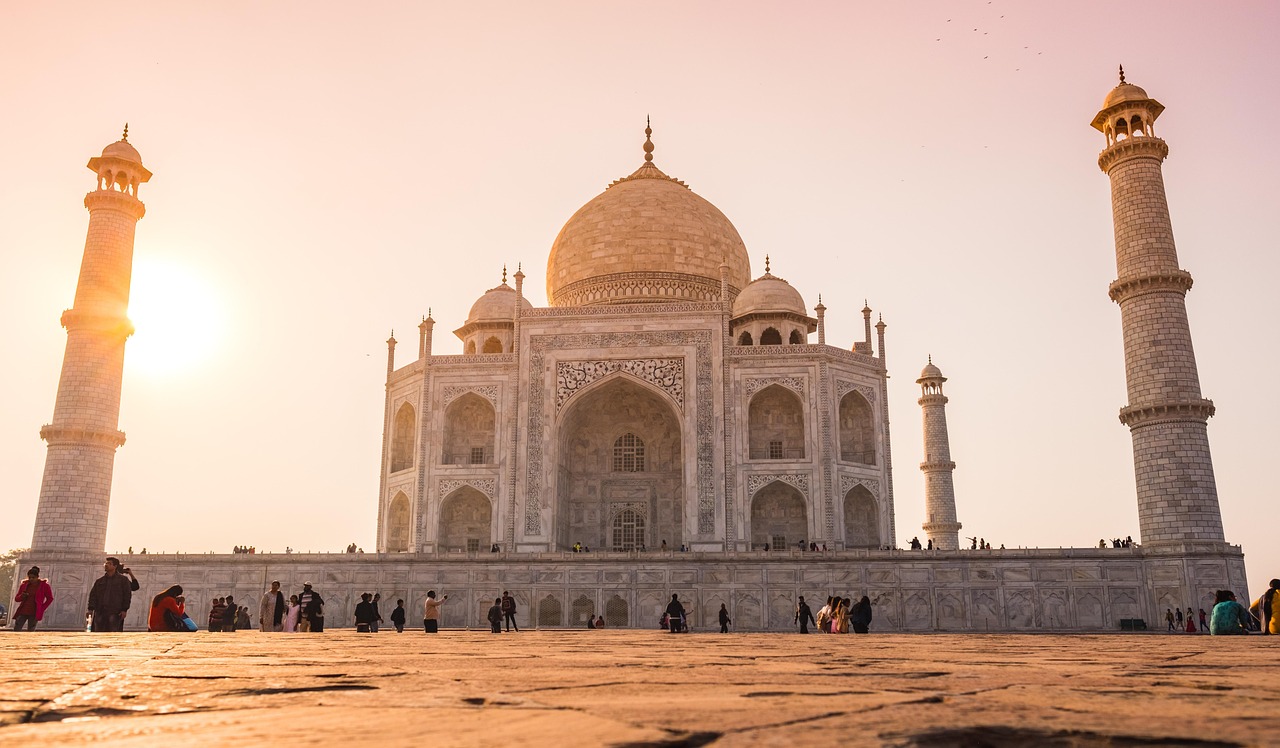
India’s travel sector is entering a period of sudden recalibration.
A recent appeal by Prime Minister Narendra Modi urging citizens to reduce non-essential foreign travel has sent shockwaves through the country’s outbound tourism industry. Combined with rising global oil prices, geopolitical instability, and currency pressure, the message is already reshaping travel behavior, corporate expectations, and tourism economics.
What makes this moment significant is not just the policy signal — but how quickly the market is reacting to it.
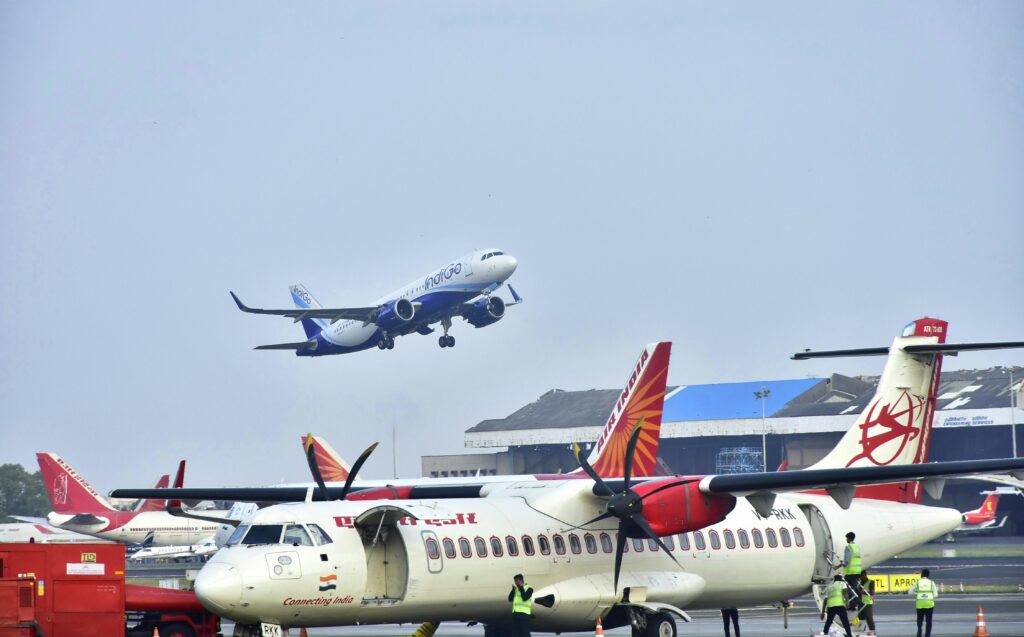
A Sharp Reaction Across the Travel Ecosystem
Within days of the appeal, India’s travel industry began reporting:
- A noticeable drop in new international booking inquiries
- Reduced summer travel planning activity
- Declining forward ticket demand for overseas destinations
- Increased interest in domestic tourism packages
Industry estimates suggest outbound travel demand could fall by 10–15% in the short term, especially during peak holiday season.
Travel companies, airlines, and online booking platforms have also seen stock volatility, reflecting investor concern about sustained demand pressure.
Why the Government Is Encouraging Fewer Foreign Trips
The appeal is not framed as a travel restriction, but as an economic stabilization measure.
It is linked to broader macroeconomic pressures:
1. Rising crude oil prices
Higher global oil prices increase aviation fuel costs, directly affecting airfare and travel affordability.
2. Foreign exchange conservation
Every overseas trip contributes to foreign currency outflow through flights, hotels, shopping, and services abroad.
3. Currency stability concerns
A weaker rupee makes international travel more expensive and increases pressure on India’s external balances.
4. Geopolitical uncertainty
Ongoing instability in key global regions has increased travel risk perception and insurance costs.
In short, travel behavior is being tied more closely to national economic resilience than before.
India’s Outbound Travel Boom — Now Under Pressure
India has been one of the fastest-growing outbound travel markets globally.
Before this slowdown:
- Millions of Indians traveled abroad annually
- Leisure travel made up a large share of demand
- Middle-class expansion fueled international tourism growth
- Destinations like the UAE, Thailand, Singapore, and Europe saw strong Indian visitor inflows
This growth trajectory is now facing short-term disruption as discretionary spending is re-evaluated.
The Shift Toward Domestic Tourism
One of the most immediate effects of the appeal is a pivot toward domestic travel.
Tour operators report growing demand for:
- Hill stations and coastal destinations within India
- Religious and heritage tourism circuits
- Wellness retreats and eco-tourism packages
- Short-duration regional trips instead of long-haul travel
Industry groups are encouraging this shift, arguing it can:
- Support local employment
- Strengthen regional economies
- Reduce foreign exchange outflows
- Stabilize the hospitality sector
However, domestic tourism typically generates lower revenue per traveler compared to international trips, which creates a margin challenge for businesses.
The Travel Industry’s Dilemma: Growth vs National Priorities
The Indian travel sector now faces a structural tension:
Economic reality:
- Outbound travel is high-growth and high-margin
- International tourism supports airlines, airports, and premium agencies
Policy direction:
- Encourage domestic travel
- Reduce unnecessary foreign currency spending
- Stabilize macroeconomic conditions
This creates a complex balancing act for airlines, tour operators, and online travel platforms.
Ripple Effects Across Related Industries
The impact goes far beyond airlines and travel agencies.
1. Aviation sector
Airlines may face slower international route expansion and reduced load factors on outbound flights.
2. Hospitality industry
Foreign hotel bookings by Indian travelers are expected to decline, affecting global hotel chains targeting Indian tourists.
3. Forex and banking sector
Reduced outbound spending may ease pressure on foreign exchange reserves.
4. Retail and luxury spending abroad
Overseas shopping tourism — a major component of Indian outbound travel — is likely to slow.
Political and Economic Messaging Power
What makes this situation unique is the influence of political messaging on consumer behavior.
In India, public appeals from leadership can have strong behavioral impact, particularly when framed as national economic responsibility.
This creates:
- Rapid shifts in consumer sentiment
- Immediate reactions in financial markets
- Early repositioning by travel companies
Even without formal restrictions, the signal itself can reshape demand.
Long-Term Implications for India’s Tourism Strategy
Experts suggest this moment could accelerate structural changes:
1. Stronger domestic tourism branding
India may intensify campaigns promoting internal destinations as global-standard experiences.
2. Rebalancing outbound growth
Outbound travel may continue growing long-term but at a moderated pace.
3. Focus on inbound tourism
Industry voices are increasingly calling for stronger efforts to attract foreign tourists to India to offset foreign exchange losses.
4. Digital travel substitution
More virtual experiences and remote business interactions may reduce non-essential travel demand permanently.
The Bigger Picture: Travel as an Economic Lever
This situation highlights a broader global trend: travel is no longer just personal consumption — it is part of national economic strategy.
Governments increasingly view tourism through:
- Foreign exchange impact
- Energy consumption links
- Inflation sensitivity
- Trade balance effects
In this framework, a holiday abroad becomes not just a personal choice — but part of a macroeconomic equation.
Frequently Asked Questions (FAQ)
1. Why did India’s travel industry react to Modi’s appeal?
Because the appeal signals a national push to reduce foreign travel, which directly affects outbound tourism demand.
2. Is foreign travel banned in India?
No. The appeal is advisory, encouraging citizens to limit non-essential overseas trips.
3. How much could outbound tourism decline?
Early estimates suggest a potential short-term drop of 10–15% in international travel demand.
4. Why does foreign travel affect India’s economy?
Because it causes foreign currency outflow through flights, hotels, shopping, and overseas spending.
5. Which sectors are most affected?
Airlines, travel agencies, hospitality companies, and online booking platforms are most exposed.
6. Will domestic tourism benefit?
Yes. Domestic tourism is expected to grow as travelers shift within India instead of going abroad.
7. Is this a long-term trend?
It depends on global oil prices, currency stability, and geopolitical conditions. The current impact is expected to be short-to-medium term.
Final Thought
India’s travel industry is not shrinking — it is being redirected.
What we are witnessing is a recalibration of mobility, where economic strategy, political messaging, and consumer behavior intersect in real time.
Travel is no longer just about where people want to go.
It is increasingly about what a country can afford to send — and what it chooses to keep at home.
Sources Reuters

