
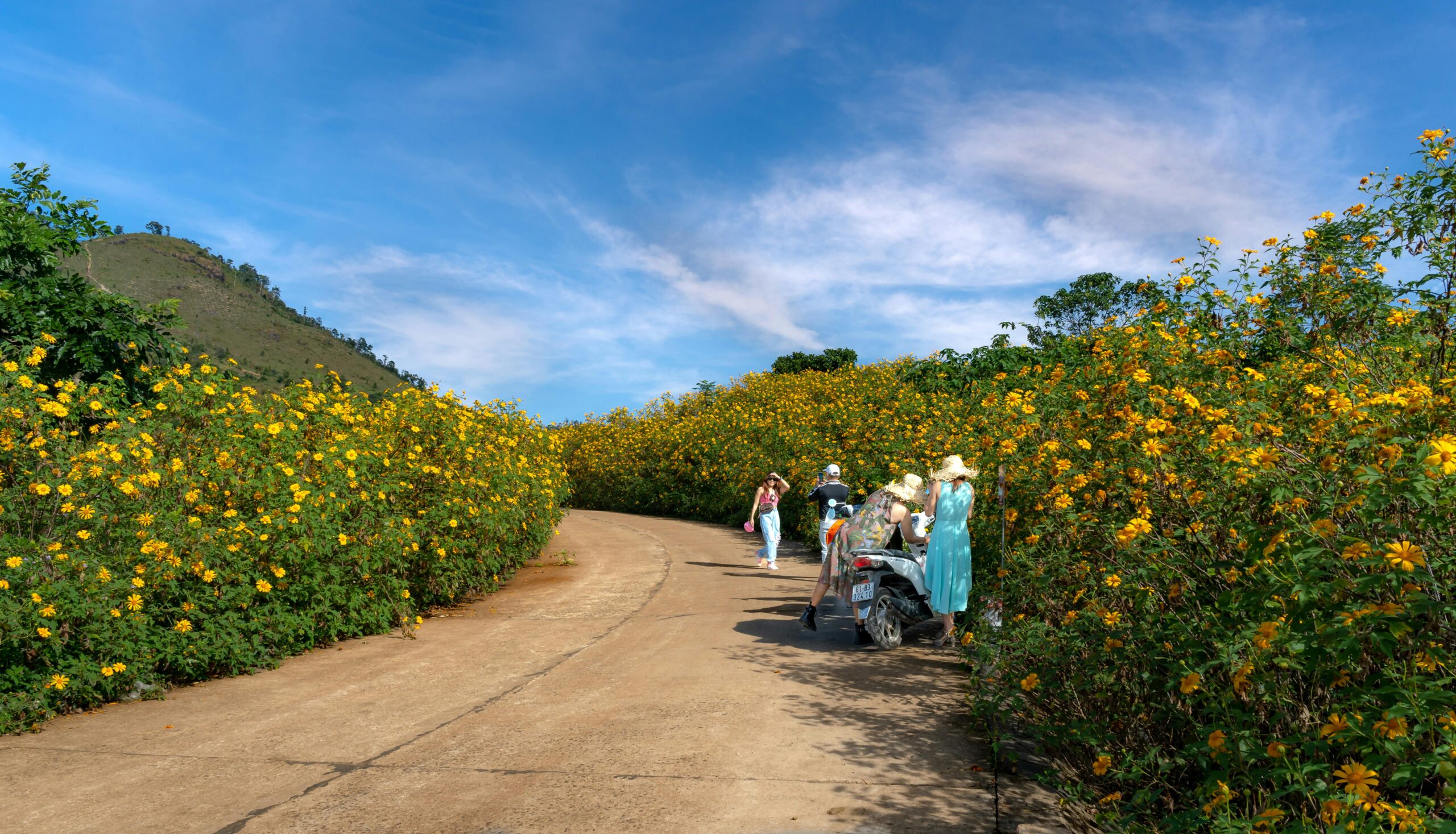
What if your next vacation wasn’t just about where you go—but when nature is at its most breathtaking?
Welcome to the world of flower tourism, where entire travel plans revolve around peak bloom seasons, vibrant landscapes, and once-a-year natural spectacles. In 2026, this trend is set to grow even bigger as travelers seek immersive, visually stunning, and seasonal experiences.
From endless tulip fields to cherry blossom-lined streets, flower tourism offers something unique: a fleeting moment of beauty that can’t be replicated.
What Is Flower Tourism?
Flower tourism involves traveling to destinations specifically to witness flowers in full bloom. Unlike traditional sightseeing, it’s highly seasonal and time-sensitive, making it both exciting and unpredictable.
Why it’s gaining popularity:
- Social media-driven travel inspiration (Instagram, TikTok)
- Increased interest in nature-based experiences
- Desire for “limited-time” travel moments
- Wellness and slow-travel trends
Flower tourism isn’t just about photos—it’s about experiencing nature’s cycles in real time.
Top Flower Tourism Destinations for 2026
1. Japan – Cherry Blossoms (Sakura Season)
Japan remains the gold standard for flower tourism.
Highlights:
- Tokyo, Kyoto, and Osaka transform into pink wonderlands
- Nighttime blossom viewing (yozakura)
- Cultural festivals and picnics under the trees
Best time: Late March to early April
Tip: Bloom dates vary yearly—plan flexibly.
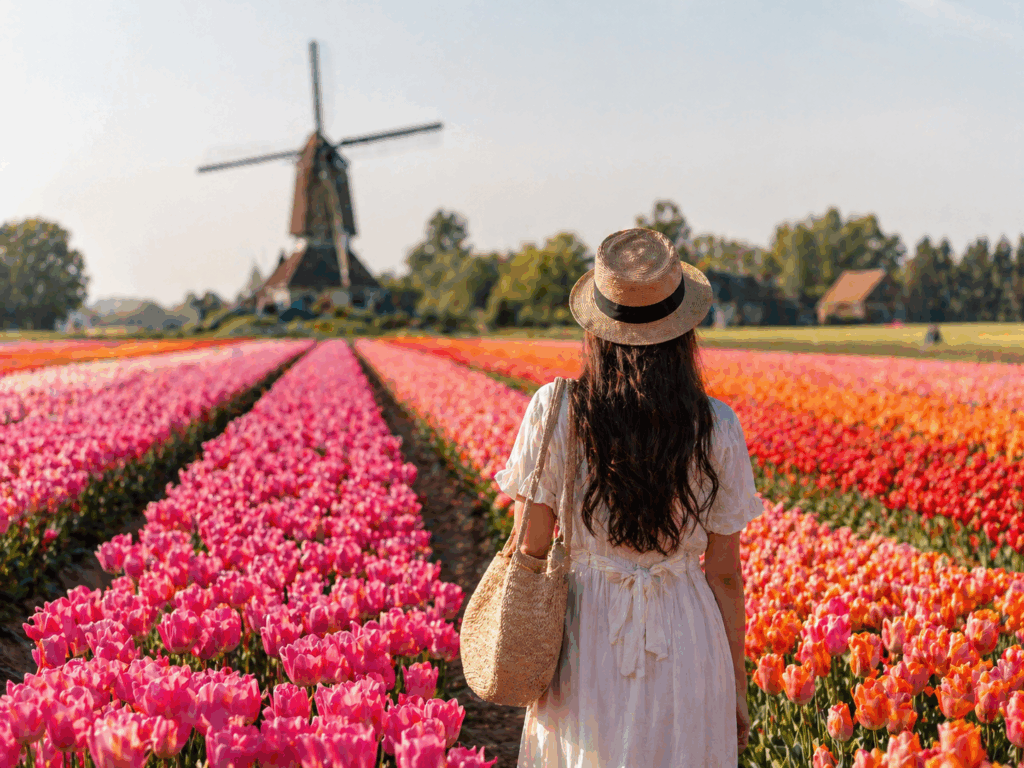
2. Netherlands – Tulip Fields of Keukenhof
The Netherlands offers one of the most iconic floral displays in the world.
What to expect:
- Millions of tulips in perfectly arranged rows
- Keukenhof Gardens’ curated floral exhibitions
- Cycling routes through blooming fields
Best time: Mid-April to early May
3. France – Lavender Fields of Provence
A sensory experience combining sight, scent, and scenery.
Why visit:
- Endless purple landscapes
- Charming villages and countryside views
- Lavender festivals and local markets
Best time: Late June to July
4. South Korea – Spring Blossoms
Often overshadowed by Japan, South Korea offers equally stunning blooms.
Key attractions:
- Cherry blossoms, azaleas, and magnolias
- Festivals in Seoul and Jeju Island
- Less crowded alternatives to Japan
Best time: Late March to April
5. United States – Wildflower Trails
From California to Texas, the U.S. offers diverse floral landscapes.
Notable spots:
- California poppy fields
- Texas bluebonnet trails
- Washington’s Skagit Valley tulips
Best time: Varies by region (March to May)
6. India – Valley of Flowers
A UNESCO World Heritage Site in the Himalayas.
Unique features:
- Rare alpine flowers
- Dramatic mountain backdrops
- Biodiversity hotspot
Best time: July to September
7. Turkey – Istanbul Tulip Festival
A lesser-known but spectacular event.
What makes it special:
- Tulips displayed across parks and public spaces
- Cultural events and art installations
- Historical connection to tulip cultivation
Best time: April
The Science Behind Bloom Timing
Flower blooms depend on several environmental factors:
Key influences:
- Temperature changes
- Daylight duration
- Rainfall patterns
- Climate change
Even slight weather shifts can:
- Delay blooms
- Shorten peak viewing windows
- Affect flower quality
This unpredictability adds both risk and excitement to flower tourism.
The Impact of Climate Change on Flower Tourism
Climate change is reshaping bloom patterns worldwide.
Observed effects:
- Earlier or later blooming seasons
- Shorter bloom durations
- Increased unpredictability
For travelers, this means:
- Greater need for flexible planning
- Monitoring bloom forecasts
- Booking refundable travel options
Economic and Cultural Impact
Flower tourism is more than just scenic travel—it’s a major economic driver.
Benefits:
- Boosts local tourism revenue
- Supports farmers and horticulture industries
- Promotes cultural festivals and traditions
Challenges:
- Overcrowding during peak seasons
- Environmental strain on delicate ecosystems
- Rising accommodation and travel costs
What the Original Coverage Didn’t Fully Explore
1. The Role of Social Media
Platforms like Instagram have turned flower fields into global attractions, sometimes leading to:
- Overtourism
- Environmental damage from foot traffic
- Increased regulation at popular sites
2. Sustainable Flower Tourism
Responsible travel practices include:
- Staying on designated paths
- Avoiding picking flowers
- Supporting local businesses
3. Wellness and Mental Health Benefits
Studies suggest that exposure to nature and flowers can:
- Reduce stress
- Improve mood
- Enhance overall well-being
4. Off-the-Beaten-Path Destinations
Emerging locations (like Eastern Europe or South America) are gaining attention as alternatives to crowded hotspots.
Tips for Planning a Flower-Themed Trip
Smart travel strategies:
- Track bloom forecasts online
- Book flexible accommodations
- Visit early in the morning to avoid crowds
- Combine flower viewing with nearby attractions
Packing essentials:
- Comfortable walking shoes
- Camera or smartphone
- Weather-appropriate clothing
- Reusable water bottle
Frequently Asked Questions (FAQs)
1. When is the best time for flower tourism?
It depends on the destination, but spring and early summer are peak seasons for most blooms.
2. How can I predict bloom dates?
Check official tourism websites, local forecasts, and bloom trackers for the most accurate updates.
3. Are flower tourism destinations crowded?
Yes, especially during peak bloom. Visiting early or choosing lesser-known locations can help.
4. Is flower tourism expensive?
Costs can rise during peak seasons, but planning ahead and staying outside major areas can reduce expenses.
5. Can I visit multiple flower destinations in one trip?
Yes, but timing is crucial since bloom periods vary by region.
6. Is flower tourism environmentally friendly?
It can be if travelers follow sustainable practices and respect natural environments.
7. What should I avoid doing at flower fields?
Avoid stepping on flowers, picking them, or ignoring designated paths.
Final Thoughts
Flower tourism is more than just a trend—it’s a celebration of nature’s most beautiful and fleeting moments.
In 2026, as travelers seek meaningful and visually stunning experiences, destinations in full bloom offer something truly special: a reminder that beauty doesn’t last forever—and that’s exactly what makes it worth chasing.
If you time it right, your next trip could be nothing short of magical. 🌸
Sources Euro News

