
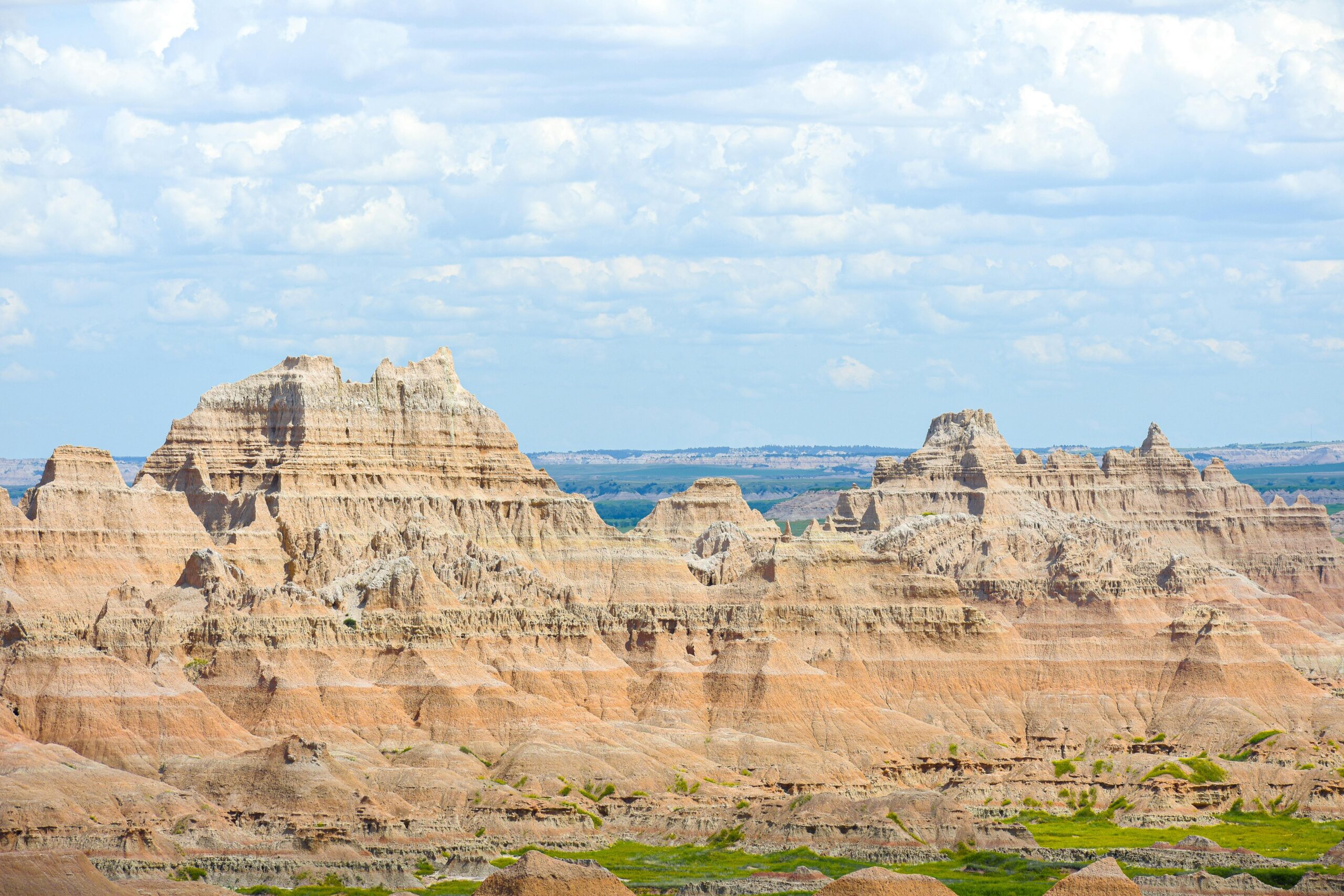
What if travel could go beyond sightseeing—and become a meaningful connection to history, culture, and community?
In South Dakota, Native tourism offers exactly that. Rooted in the traditions of the Lakota, Dakota, and Nakota (Sioux) peoples, these experiences invite visitors to step into a deeper narrative—one that predates modern America and continues to thrive today.
Far from being a typical vacation, Native tourism in South Dakota is about learning, respect, and authentic cultural exchange.
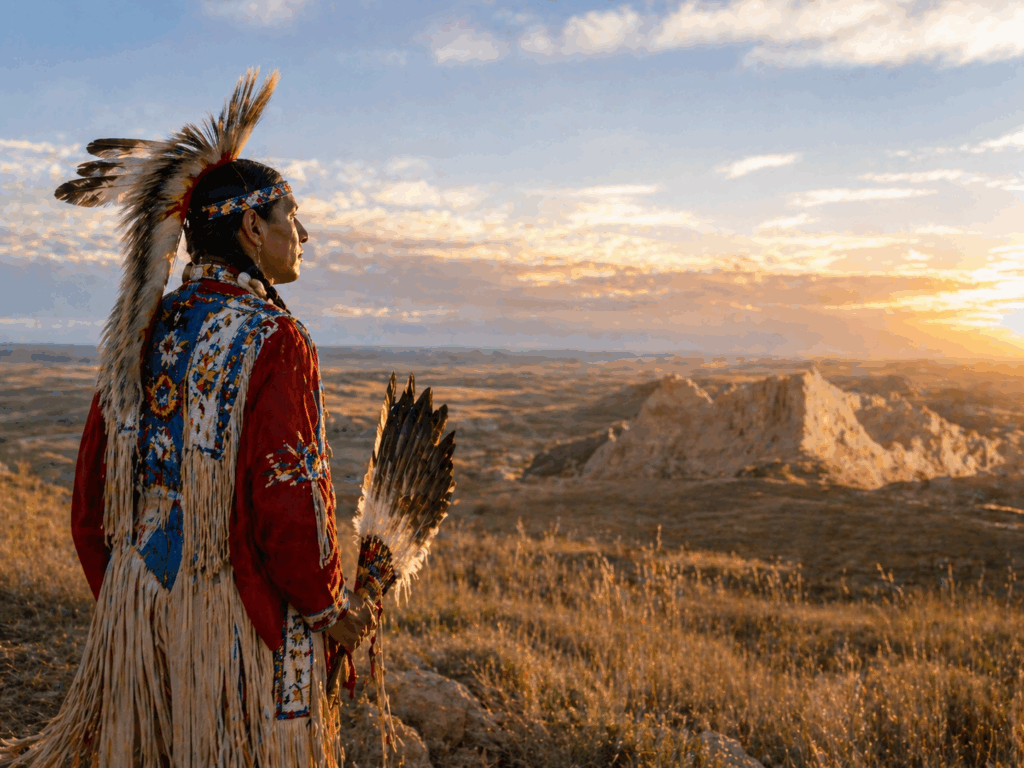
What Is Native Tourism?
Native tourism focuses on travel experiences created and led by Indigenous communities. It emphasizes:
- Cultural preservation
- Storytelling and education
- Economic empowerment for Native communities
In South Dakota, this type of tourism is especially significant because the state is home to nine tribal nations, each with its own traditions, language, and history.
The Cultural Richness of South Dakota’s Tribal Nations
The tribes of South Dakota are part of the Great Sioux Nation and include:
- Oglala Lakota
- Sicangu (Rosebud) Lakota
- Standing Rock Sioux
- Cheyenne River Sioux
- Yankton Sioux
- Sisseton Wahpeton Oyate
- Crow Creek Sioux
- Lower Brule Sioux
- Flandreau Santee Sioux
Each community offers unique perspectives, but all share deep connections to:
- The land
- Spiritual traditions
- Oral history and storytelling
Immersive Experiences Visitors Can Explore
1. Cultural Tours and Storytelling
Visitors can participate in guided tours led by Native hosts who share:
- Tribal history and traditions
- Personal stories and lived experiences
- The significance of sacred sites
These aren’t scripted tours—they’re authentic narratives passed down through generations.
2. Powwows: A Celebration of Culture
Powwows are vibrant gatherings featuring:
- Traditional dance and regalia
- Drumming and singing
- Community celebrations
Visitors are often welcome, but it’s important to:
- Respect cultural protocols
- Ask before taking photos
- Understand that some moments are sacred
3. Art, Craft, and Indigenous Creativity
Native artisans showcase:
- Beadwork
- Quillwork
- Jewelry and textiles
- Contemporary Native art
Buying directly from artists supports local economies and preserves cultural craftsmanship.
4. Outdoor and Spiritual Experiences
South Dakota’s landscapes are deeply tied to Native identity.
Key sites include:
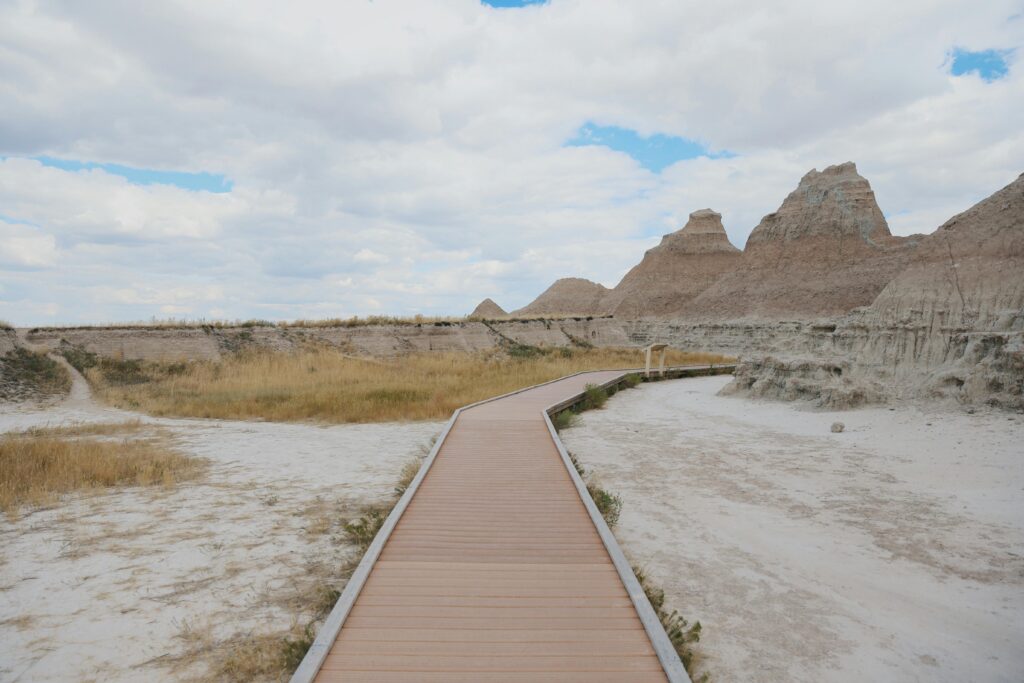
- Badlands National Park (near tribal lands)
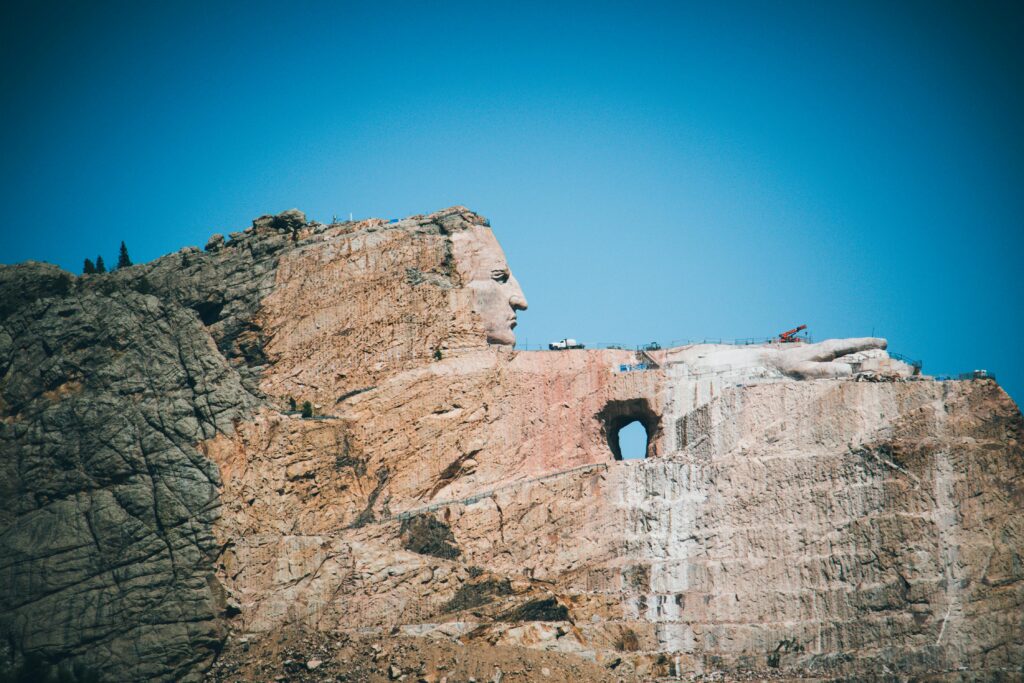
- Black Hills (Paha Sapa), considered sacred
- Missouri River regions
Some tours incorporate:
- Nature walks with cultural interpretation
- Traditional ecological knowledge
- Spiritual perspectives on land stewardship
5. Indigenous Cuisine
Food is an essential part of cultural storytelling.
Visitors may experience:
- Frybread and traditional dishes
- Bison-based meals
- Locally sourced ingredients
Modern Native chefs are also redefining Indigenous cuisine with innovative approaches.
Why Native Tourism Matters
1. Cultural Preservation
Tourism helps sustain traditions, languages, and practices that might otherwise fade.
2. Economic Empowerment
Revenue from tourism directly supports:
- Tribal businesses
- Local families
- Community development
3. Education and Awareness
Visitors gain a more accurate understanding of:
- Native history
- Contemporary Indigenous life
- The impact of colonization
Challenges and Considerations
While Native tourism is growing, it comes with challenges:
1. Misrepresentation
Not all “Native-themed” experiences are authentic. It’s important to:
- Choose tribally operated tours
- Avoid commercialized or inaccurate portrayals
2. Cultural Sensitivity
Visitors must be mindful of:
- Sacred traditions
- Photography etiquette
- Respectful behavior
3. Infrastructure Limitations
Some tribal areas may have:
- Limited accommodations
- Fewer transportation options
Planning ahead is essential.
What the Original Coverage Didn’t Fully Explore
1. Language Revitalization
Many tribes are working to preserve and teach their native languages, and tourism can support these efforts through:
- Educational programs
- Cultural immersion experiences
2. Youth Involvement
Younger generations are increasingly involved in:
- Guiding tours
- Creating art
- Sharing modern Indigenous perspectives
3. Digital Storytelling
Tribal communities are using:
- Social media
- Virtual tours
- Online platforms
to share their stories with a global audience.
4. Sustainable Tourism Practices
Native tourism often emphasizes:
- Respect for the land
- Environmental stewardship
- Sustainable visitor practices
Tips for Respectful and Meaningful Travel
Do:
- Support Native-owned businesses
- Listen and learn with an open mind
- Follow local guidelines and customs
Don’t:
- Treat cultural experiences as entertainment only
- Assume all tribes share the same traditions
- Ignore rules around sacred sites or ceremonies
Frequently Asked Questions (FAQs)
1. What is Native tourism?
It’s travel centered around authentic cultural experiences led by Indigenous communities.
2. Are visitors allowed to attend powwows?
Yes, many are open to the public, but visitors should follow etiquette and respect traditions.
3. How can I ensure my visit is respectful?
Choose tribally operated tours, ask questions politely, and follow cultural guidelines.
4. Is Native tourism only about history?
No. It also highlights modern Indigenous life, art, and culture.
5. Can I take photos during cultural events?
Sometimes, but always ask permission first, especially during ceremonies.
6. What should I expect from a cultural tour?
Authentic storytelling, historical insights, and personal perspectives from Native guides.
7. Why is Native tourism important?
It supports cultural preservation, economic growth, and better understanding between communities.
Final Thoughts
Native tourism in South Dakota offers something rare in today’s travel landscape: authentic connection.
It’s not just about where you go—it’s about what you learn, who you meet, and how your perspective changes along the way.
By approaching these experiences with respect and curiosity, travelers can walk away with more than memories—they gain a deeper understanding of a culture that continues to shape the land and its stories.
And in doing so, travel becomes not just a journey across places—but across perspectives.
Sources USA Today

