
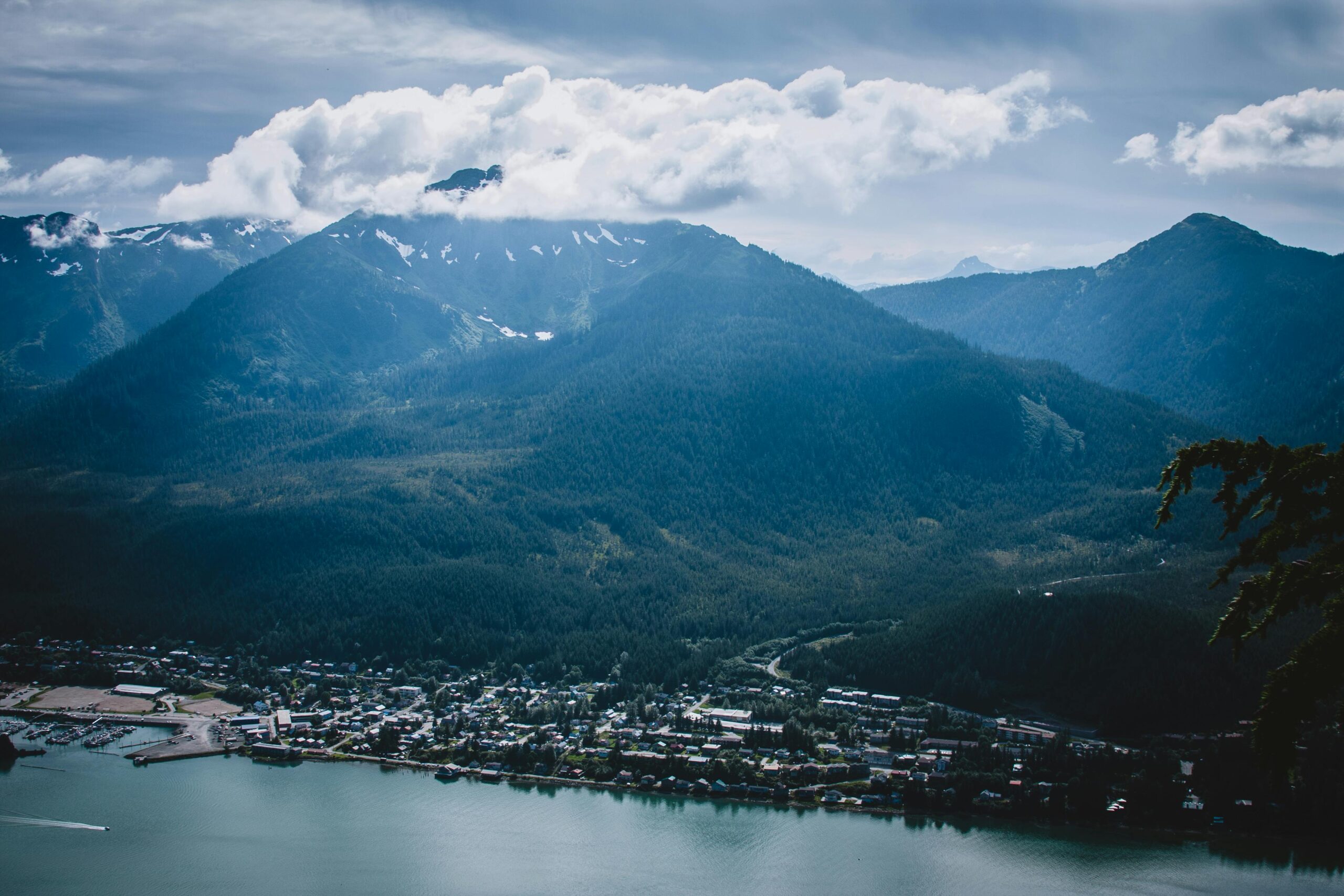
In one of the most remote and extreme environments on Earth, a unique form of tourism is drawing global attention—polar bear viewing in Alaska Native villages. What began as a niche wildlife experience has evolved into a complex intersection of conservation, culture, climate change, and economic survival.
But behind the breathtaking images of polar bears roaming icy landscapes lies a deeper story—one that involves Indigenous communities balancing opportunity with responsibility.
A Rare Wildlife Experience: Polar Bear Tourism
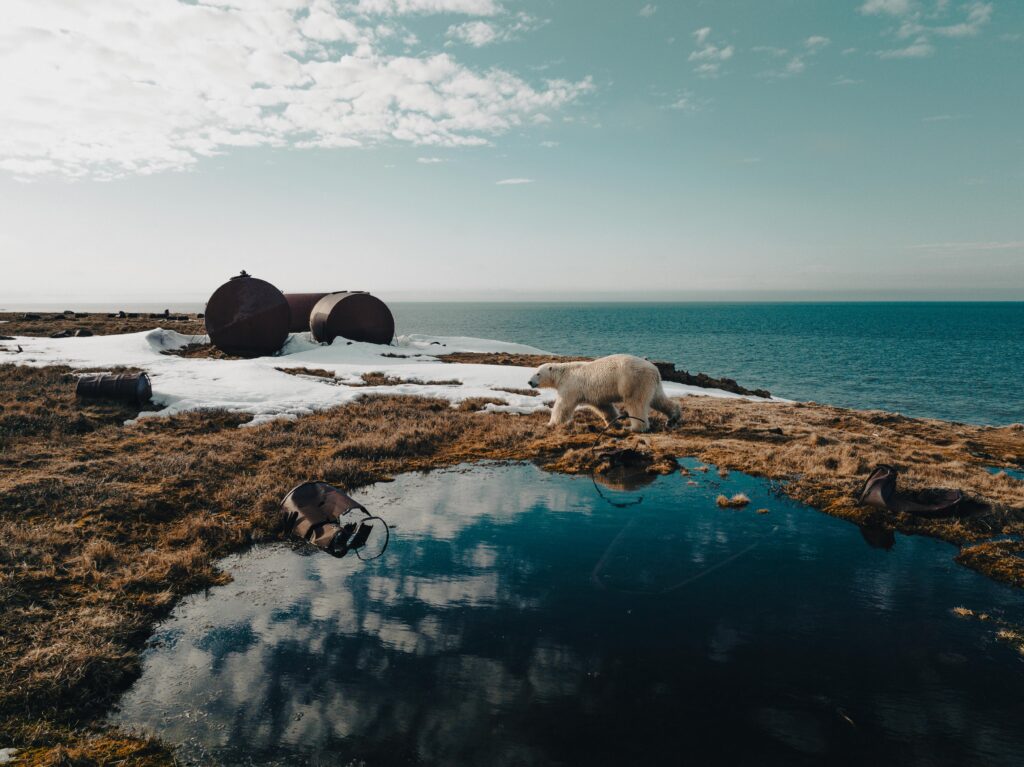
In northern Alaska, particularly in small Native villages like Kaktovik, visitors travel thousands of miles for one reason: to see polar bears up close in their natural habitat.
Why this destination is unique:
- One of the few places in the world where polar bears can be reliably
- Coastal geography where bears gather, especially in late summer and fall
- Guided tours offering safe viewing experiences
Tourists often observe:
- Bears feeding along the shoreline
- Cubs interacting with their mothers
- Large groups of bears gathering in one area
This level of access is rare—and highly sought after.
Why Polar Bears Gather Near Villages
The presence of polar bears near these communities is not random.
Key factors include:
- Seasonal ice melt: Bears spend more time on land as sea ice retreats
- Food sources: Remains from subsistence whale hunts can attract bears
- Changing migration patterns due to climate change
These conditions create a unique opportunity for wildlife viewing—but also raise important ecological and ethical questions.
Economic Lifeline for Indigenous Communities
For many Alaska Native villages, tourism provides a crucial source of income.
Benefits include:
- Job creation (guides, boat operators, hospitality)
- Support for local businesses
- Increased funding for community services
In remote areas with limited economic opportunities, polar bear tourism can be transformative.
Cultural Context: Indigenous Perspectives
The communities hosting these tours are primarily with deep cultural ties to the land and wildlife.
Key cultural values:
- Respect for animals as part of a shared ecosystem
- Sustainable use of natural resources
- Preservation of traditional knowledge
Whaling, for example, is not just a food source—it is a cultural practice with spiritual significance. Tourism must coexist with these traditions.
The Challenges of Wildlife Tourism
While the economic benefits are clear, polar bear tourism also brings risks.
1. Disturbance to Wildlife
Increased human presence can:
- Alter animal behavior
- Cause stress to bears
- Disrupt feeding patterns
2. Safety Concerns
Polar bears are powerful predators.
Communities must manage:
- Safe distances for tourists
- Emergency response systems
- Strict guidelines for interactions
3. Environmental Impact
Tourism can strain fragile Arctic ecosystems through:
- Increased waste
- Boat traffic
- Carbon emissions from travel
4. Cultural Sensitivity
Not all aspects of village life are meant for public viewing. Balancing tourism with privacy and respect is essential.
Climate Change: The Bigger Picture
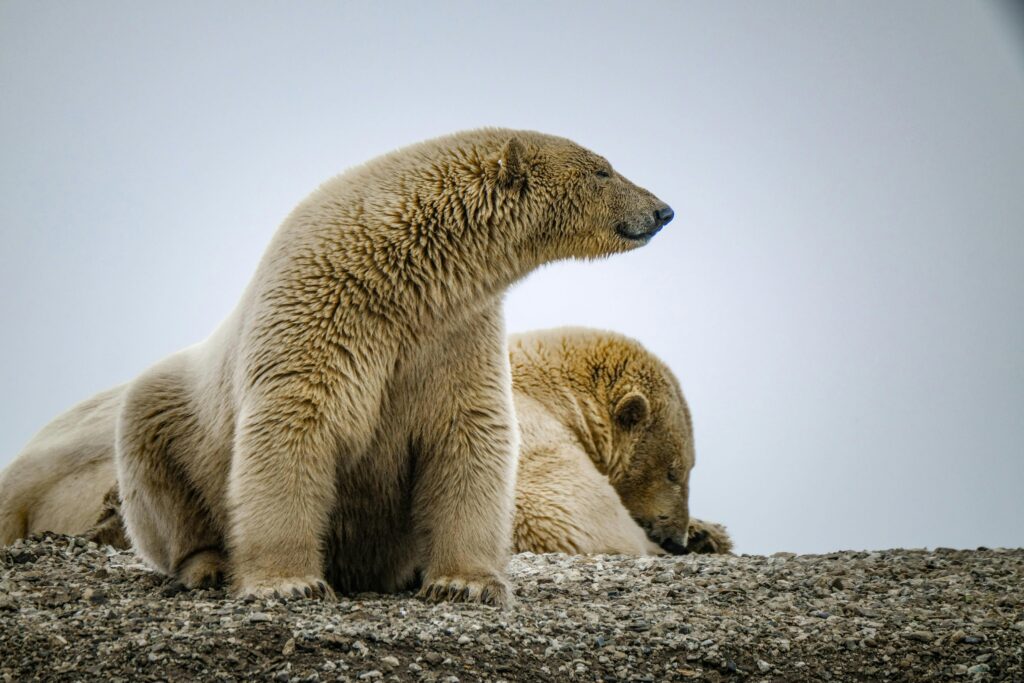
Polar bear tourism cannot be separated from the reality of climate change.
Key impacts:
- Shrinking sea ice reduces hunting grounds for bears
- Bears spend more time on land, increasing human encounters
- Long-term survival of polar bears is uncertain
Ironically, the same conditions that make polar bear viewing easier today are a sign of environmental distress.
What the Original Coverage Didn’t Fully Explore
1. Regulation and Management
Local and federal authorities are working to:
- Limit the number
- Enforce wildlife protection laws
- Ensure sustainable practices
Community-led management is often key to success.
2. Ethical Tourism Practices
Responsible tourism includes:
- Keeping safe distances from wildlife
- Avoiding feeding or interference
- Choosing certified local guides
3. The Role of Education
Tourism can be a powerful tool for awareness.
Visitors often leave with:
- Greater understanding of climate change
- Appreciation for Indigenous knowledge
- Motivation to support conservation efforts
4. Infrastructure Limitations
Remote villages face challenges such as:
- Limited accommodations
- High travel costs
- Dependence on weather conditions
This naturally limits mass tourism—but also raises costs for visitors.
Tips for Responsible Polar Bear Tourism
If you’re considering visiting:
Do:
- Book with local, community-run operators
- Follow all safety guidelines
- Respect cultural practices
Don’t:
- Approach or disturb wildlife
- Treat the experience as a zoo-like attraction
- Ignore environmental impact
Frequently Asked Questions (FAQs)
1. Where can you see polar bears in Alaska?
Northern coastal villages like Kaktovik are among the most popular locations.
2. Is it safe to view polar bears?
Yes, when done through guided tours that follow strict safety protocols.
3. Why are polar bears near villages?
Climate change and food availability have altered their natural behavior, bringing them closer to human settlements.
4. When is the best time to visit?
Late summer to early fall is typically the best time for sightings.
5. Does tourism harm polar bears?
It can if not managed properly. Responsible tourism minimizes negative impacts.
6. How do local communities benefit?
Through jobs, income, and economic development tied to tourism.
7. What role does climate change play?
It’s a major factor affecting polar bear behavior and the Arctic environment overall.
Final Thoughts
Polar bear tourism in Alaska offers a rare glimpse into one of the planet’s most iconic species—but it also tells a more complex story.
It’s a story of adaptation, as both animals and humans respond to a changing climate.
It’s a story of balance, as communities navigate economic opportunity and cultural preservation.
And it’s a story of responsibility, reminding us that witnessing nature comes with an obligation to protect it.
Sources AP News

