
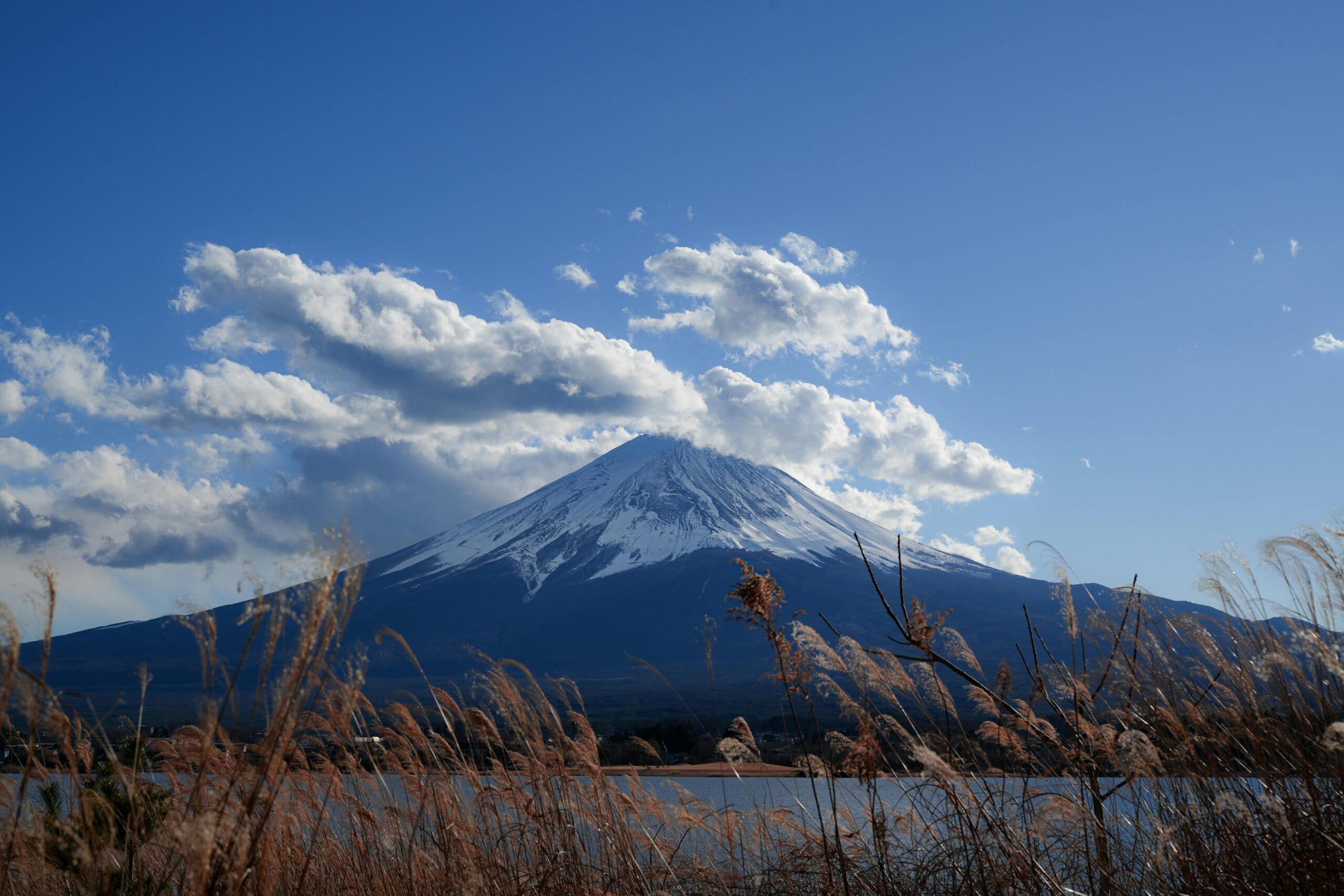
Every spring, Japan transforms into a dreamscape. Cherry blossoms bloom in soft pink waves, ancient temples frame postcard-perfect scenes, and Mount Fuji stands serenely in the background. But behind this beauty lies a growing strain: overtourism.
In recent years, Mount Fuji and its surrounding areas—especially during cherry blossom season—have become focal points of global tourism. What was once a tranquil cultural and natural experience is now grappling with overcrowding, environmental degradation, and cultural disruption.
The Rise of Overtourism Around Mount Fuji
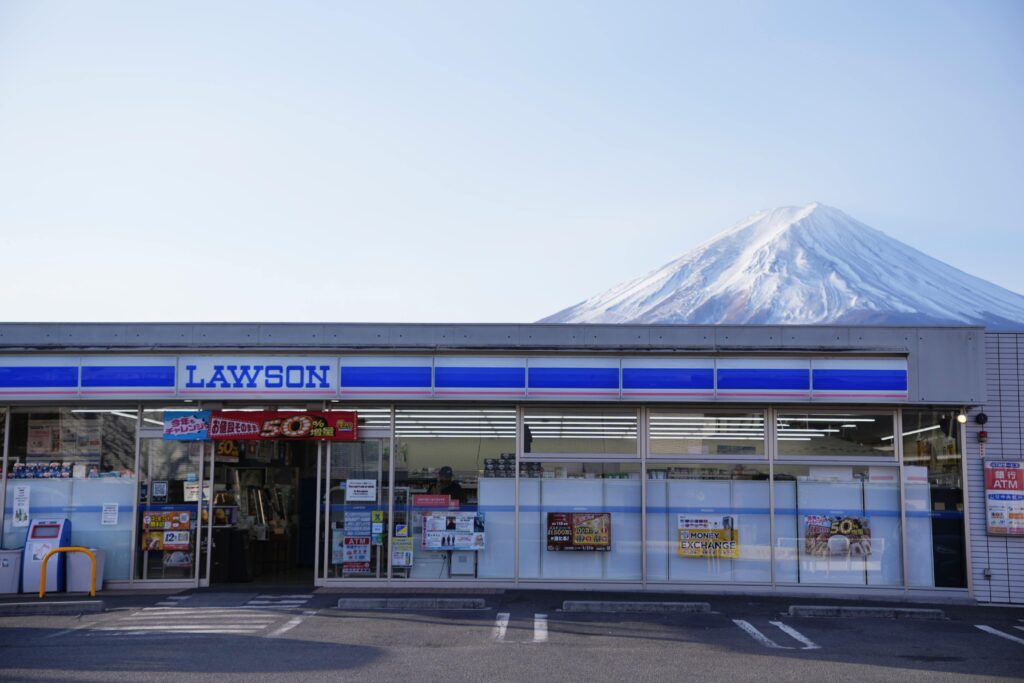
Tourism in Japan has surged dramatically, fueled by relaxed visa policies, increased global interest in Japanese culture, and the influence of social media. Viral images of Mount Fuji framed by cherry blossoms or convenience store rooftops have turned specific viewpoints into global hotspots.
This has led to:
- Massive crowds concentrated in small areas
- Long queues for photos at iconic vantage points
- Increased litter and environmental wear
- Strain on local infrastructure and communities
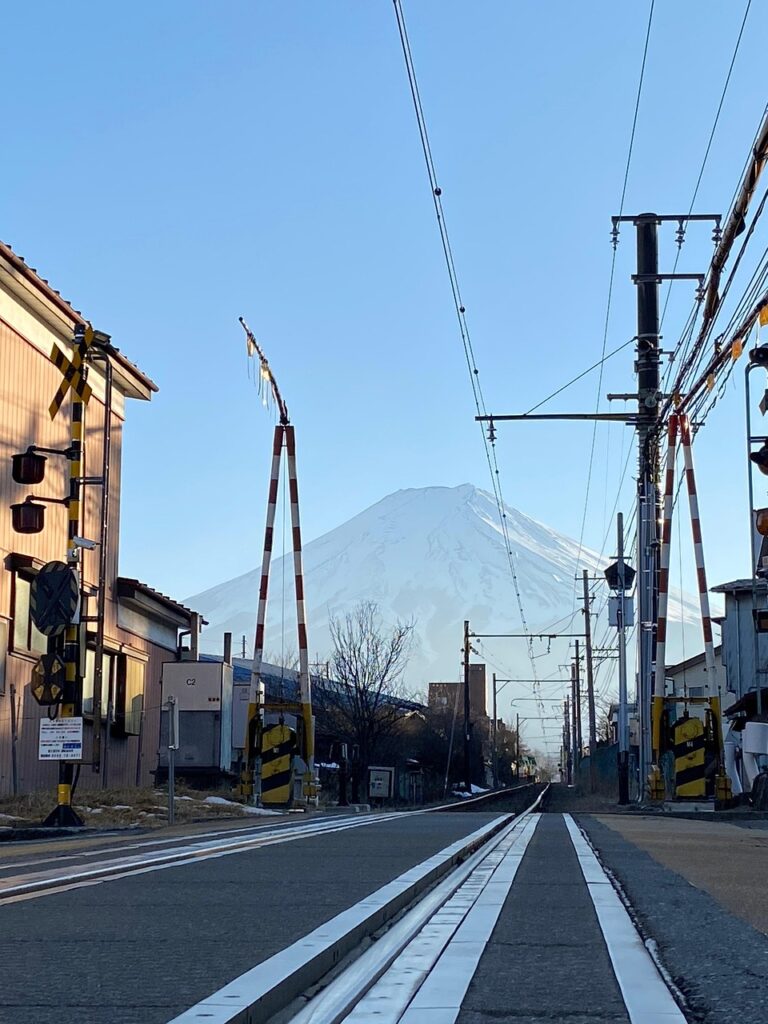
In some locations, tourists gather in such high numbers that they block roads, trespass on private property, and disrupt daily life for residents.
Social Media’s Role in Shaping Travel Patterns
Platforms like Instagram, TikTok, and Xiaohongshu have transformed how people travel. Instead of exploring broadly, many visitors now seek out exact photo locations they’ve seen online.
This creates “micro-overtourism,” where:
- A single street corner becomes overwhelmed
- Tourists prioritize photos over experience
- Travel becomes checklist-driven rather than immersive
Mount Fuji’s most famous viewing spots—once serene—are now often crowded from sunrise to sunset.
Environmental and Cultural Impact
The environmental toll is significant. Trails on Mount Fuji experience erosion, waste accumulation, and damage to fragile ecosystems. Even off the mountain, parks and lakeside areas suffer from overuse.
Culturally, the impact is just as serious:
- Local residents face noise, congestion, and loss of privacy
- Traditional spaces are treated as backdrops rather than meaningful sites
- Respect for local customs is sometimes overlooked
Japan, known for its emphasis on harmony and respect, faces a delicate challenge: welcoming visitors while preserving its cultural integrity.
Government and Local Responses
Authorities have begun implementing measures to manage the situation more sustainably:
1. Visitor Caps and Fees
Climbing Mount Fuji now involves stricter regulations, including limits on daily climbers and mandatory fees aimed at funding conservation efforts.
2. Physical Barriers and Crowd Control
In some popular photo spots, barriers have been installed to prevent dangerous behavior, such as standing in traffic for pictures.
3. Public Awareness Campaigns
Tourists are encouraged to follow etiquette guidelines, respect private property, and minimize environmental impact.
4. Promotion of Alternative Destinations
Japan is actively promoting lesser-known regions to distribute tourist traffic more evenly across the country.
The Local Perspective
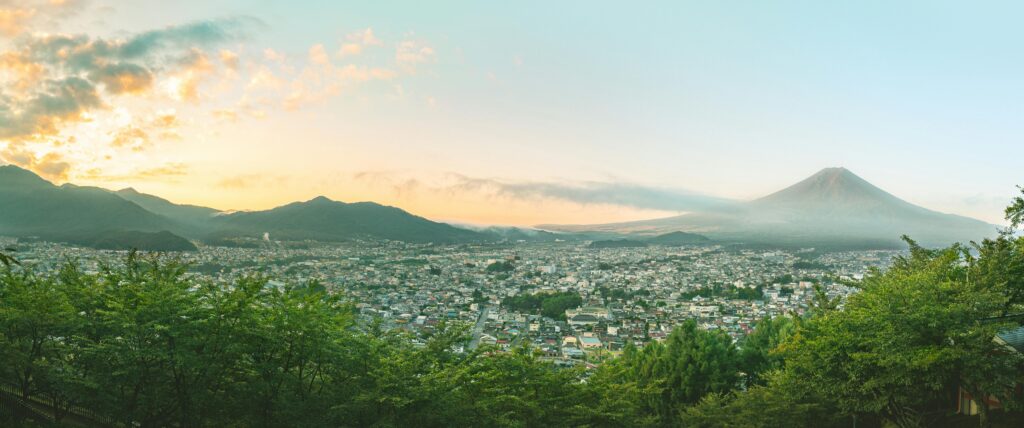
For many residents, tourism is a double-edged sword. It brings economic benefits—supporting small businesses, hospitality industries, and local economies—but also disrupts daily life.
Some locals have expressed frustration over:
- Loss of quiet and community identity
- Disrespectful tourist behavior
- Rising costs of living in popular areas
Balancing economic gain with quality of life has become a pressing issue.
Sustainable Tourism: A Path Forward
The situation around Mount Fuji reflects a broader global challenge. Iconic destinations—from Venice to Bali—face similar pressures.
Sustainable tourism offers a way forward:
- Encouraging off-season travel
- Supporting local businesses responsibly
- Educating travelers on cultural etiquette
- Limiting visitor numbers where necessary
Travelers themselves play a crucial role. Conscious decisions—like visiting less crowded areas or respecting local norms—can collectively make a significant difference.
Rethinking the Travel Experience
The essence of travel is not just capturing beautiful images, but engaging with a place meaningfully. Mount Fuji is more than a backdrop—it is a sacred symbol deeply embedded in Japanese culture.
By shifting focus from “getting the perfect shot” to “having a meaningful experience,” tourism can become more sustainable and rewarding.
Frequently Asked Questions (FAQs)
1. What is overtourism?
Overtourism occurs when too many visitors overwhelm a destination, causing environmental damage, strain on infrastructure, and reduced quality of life for locals.
2. Why is Mount Fuji particularly affected?
Its global recognition, accessibility, and social media popularity—especially during cherry blossom season—make it a major tourist magnet.
3. How is Japan addressing overtourism?
Through visitor limits, fees, public awareness campaigns, infrastructure changes, and promoting alternative destinations.
4. Are tourists still allowed to visit Mount Fuji?
Yes, but with increasing regulations to ensure safety and sustainability.
5. What can travelers do to help?
Respect local rules, avoid overcrowded spots, travel during off-peak times, and prioritize cultural understanding over photography.
6. Is overtourism only a problem in Japan?
No. It’s a global issue affecting many popular destinations worldwide.
7. Why do tourists gather in specific photo spots?
Social media often highlights particular locations, leading to concentrated crowds seeking the same images.
8. Can overtourism be reversed?
It can be managed and reduced through coordinated efforts by governments, communities, and responsible travelers.
Mount Fuji remains one of the world’s most breathtaking sights. The challenge now is ensuring that its beauty—and the culture surrounding it—endures for generations to come.
Sources The New York Times

