
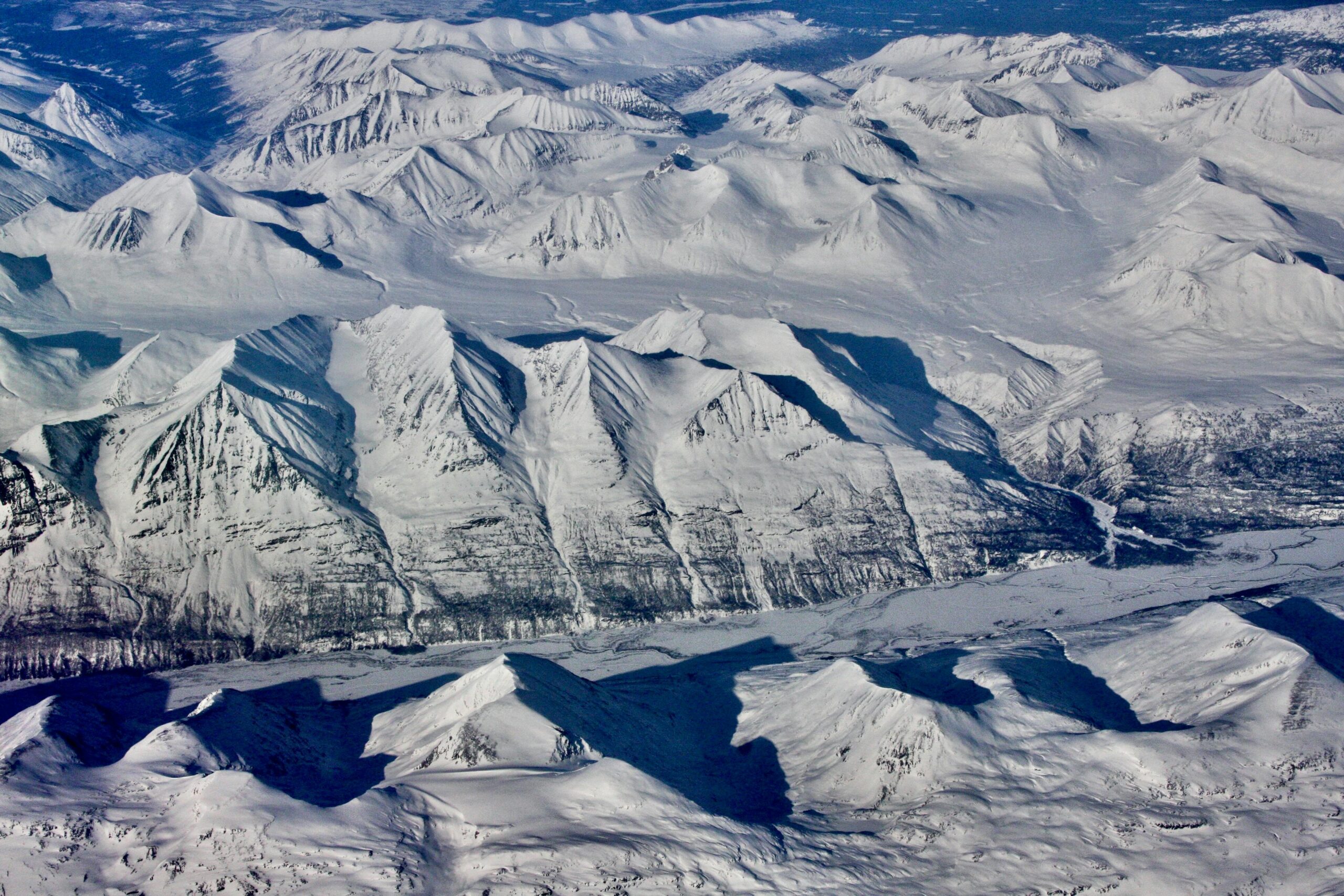
Far above the Arctic Circle, where icy winds sweep across vast tundra and the sea freezes into a shifting white expanse, a small Alaskan village is working to revive a once-thriving lifeline: polar bear tourism. For decades, visitors traveled from around the world to witness one of nature’s most powerful predators in its natural habitat. Today, that fragile tourism economy is being reshaped by climate change, shifting wildlife patterns, and evolving traveler expectations.
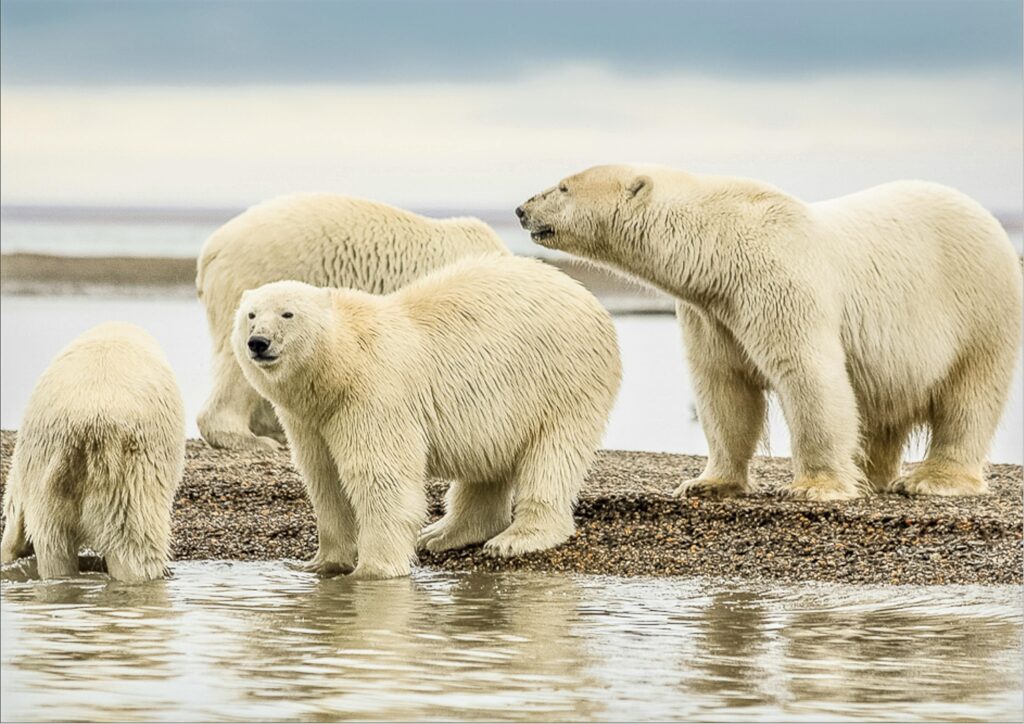
A Village Built Around Wildlife Encounters
In remote Arctic communities such as Kaktovik, polar bears have long been more than just wildlife—they are part of daily life. Located on Barter Island along Alaska’s northern coast, the village became famous for offering rare, close (but regulated) viewing opportunities of polar bears, especially in late summer and fall.
Tourism once provided:
- Critical income for local guides and businesses
- Seasonal employment opportunities
- A way to share Indigenous culture and Arctic knowledge with visitors
Unlike large-scale tourist hubs, these communities operate on a small, intimate scale. Visitors often rely on local expertise for safe wildlife viewing, making tourism deeply intertwined with the village’s identity.
Why Polar Bear Tourism Declined
In recent years, the number of tourists has fluctuated, and in some periods declined sharply. Several factors have contributed:
1. Climate Change and Sea Ice Loss
Polar bears depend on sea ice to hunt seals, their primary food source. As Arctic ice melts earlier and forms later each year, bears are forced to spend more time on land, altering their movement patterns.
While this sometimes increases land-based sightings, it also:
- Disrupts predictable viewing seasons
- Affects bear health and behavior
- Raises ethical concerns about wildlife stress
2. Travel Barriers and Costs
Reaching remote Arctic villages is expensive and logistically complex. Flights are limited, weather conditions are unpredictable, and accommodations are scarce.
3. Global Disruptions
Events like the COVID-19 pandemic significantly reduced international travel, cutting off a major source of visitors.
4. Changing Tourism Preferences
Modern travelers are increasingly conscious of sustainability and ethical wildlife tourism, leading to more scrutiny of how animals are viewed and impacted.
The Push to Revive Tourism
Despite these challenges, local communities are actively working to rebuild and reshape their tourism industries.
Community-Led Initiatives
Local residents are taking greater control over tourism operations, ensuring that economic benefits stay within the community. Indigenous-led tours often incorporate storytelling, cultural education, and environmental awareness.
Improved Infrastructure
Efforts are underway to improve accommodations, transportation coordination, and visitor services—without compromising the village’s character or environment.
Seasonal Strategy Shifts
Tour operators are adapting to changing bear patterns by adjusting the timing of tours and diversifying offerings beyond just polar bear viewing.
Balancing Tourism and Conservation
Polar bear tourism sits at a delicate intersection of opportunity and responsibility. On one hand, it provides economic support for remote communities. On the other, it raises concerns about wildlife disturbance and environmental impact.
Key considerations include:
- Maintaining safe distances between humans and bears
- Limiting the number of visitors at any given time
- Ensuring that tourism does not alter natural animal behavior
- Educating visitors on Arctic ecosystems and conservation
Responsible tourism can actually support conservation by raising awareness and funding local initiatives.
The Indigenous Perspective
For Indigenous communities, polar bears are not just an attraction—they are part of cultural heritage and subsistence traditions. Any tourism model must respect this relationship.
Local voices emphasize:
- The importance of cultural respect
- The need for community consent in tourism development
- Balancing traditional lifestyles with modern economic needs
Tourism, when managed thoughtfully, can become a platform for cultural exchange rather than exploitation.
The Role of Climate Change in the Future of Tourism
The long-term future of polar bear tourism is inseparable from the broader climate crisis. As Arctic conditions continue to evolve, both wildlife and human industries must adapt.
Potential future scenarios include:
- Shorter and less predictable tourism seasons
- Increased reliance on land-based viewing
- Greater emphasis on conservation-focused travel experiences
Some experts argue that seeing polar bears in the wild may become increasingly rare, making current efforts to manage tourism sustainably even more critical.
A New Model for Arctic Travel
The revival of polar bear tourism is not about returning to the past—it’s about building something more resilient and ethical.
This includes:
- Smaller, more controlled visitor groups
- Higher-value, lower-impact tourism
- Stronger integration of education and conservation
- Community-driven decision-making
Rather than mass tourism, the future likely lies in intentional, experience-based travel that prioritizes both people and the planet.
Frequently Asked Questions (FAQs)
1. Where can you see polar bears in Alaska?
One of the most well-known locations is Kaktovik, a remote village on Barter Island along Alaska’s Arctic coast.
2. When is the best time to see polar bears?
Typically late summer through fall, when bears gather onshore waiting for sea ice to form.
3. Is polar bear tourism safe?
Yes, when conducted through licensed local guides who follow strict safety protocols and maintain safe distances.
4. Does tourism harm polar bears?
If poorly managed, it can. However, responsible tourism practices aim to minimize disturbance and support conservation.
5. Why are polar bears spending more time on land?
Due to climate change and the loss of sea ice, which they rely on for hunting.
6. How do local communities benefit from tourism?
Tourism provides income, jobs, and opportunities to share culture and knowledge with visitors.
7. Is it expensive to visit Arctic Alaska?
Yes. Travel costs are high due to the remote location and limited infrastructure.
8. What makes Arctic tourism unique?
It offers rare wildlife encounters, extreme landscapes, and deep cultural experiences that cannot be found elsewhere.
In the Arctic, survival has always required adaptation. As polar bears adjust to a changing environment, so too must the communities that live alongside them. The revival of polar bear tourism is not just about it’s about preserving a way of life, protecting a species, and redefining how humans engage with one of the planet’s last wild frontiers.
Sources The Seattle Times

