
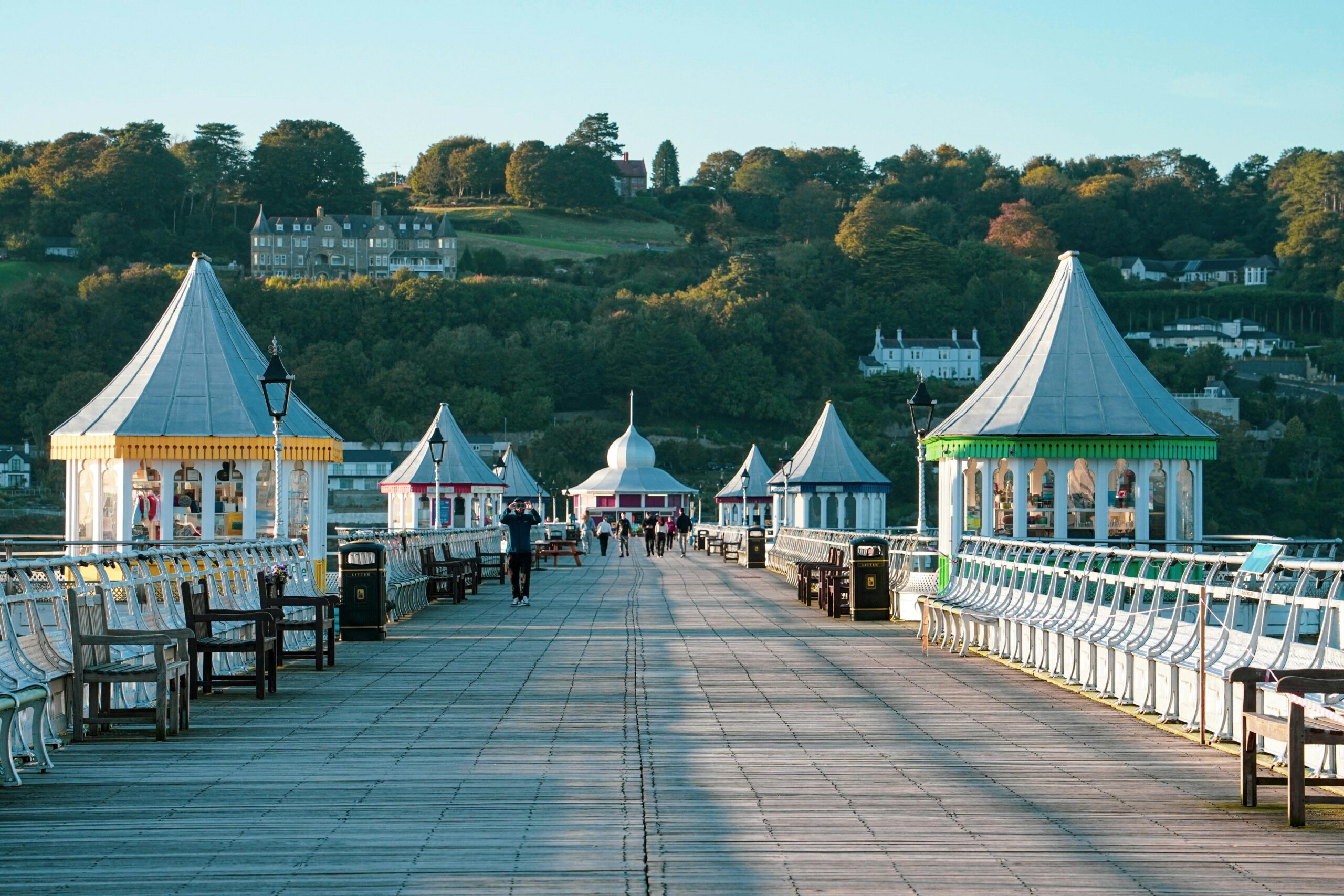
For years, the “staycation” has been a defining feature of British travel—offering a convenient, often more affordable alternative to international holidays. From Cornwall’s beaches to the Scottish Highlands, domestic tourism surged, especially during the pandemic when overseas travel was restricted.
But that trend may be shifting.
New insights suggest that many Britons are reconsidering staycations, particularly in the face of rising taxes and overall cost-of-living pressures. What was once seen as a budget-friendly option is increasingly viewed as expensive—sometimes even more costly than traveling abroad.
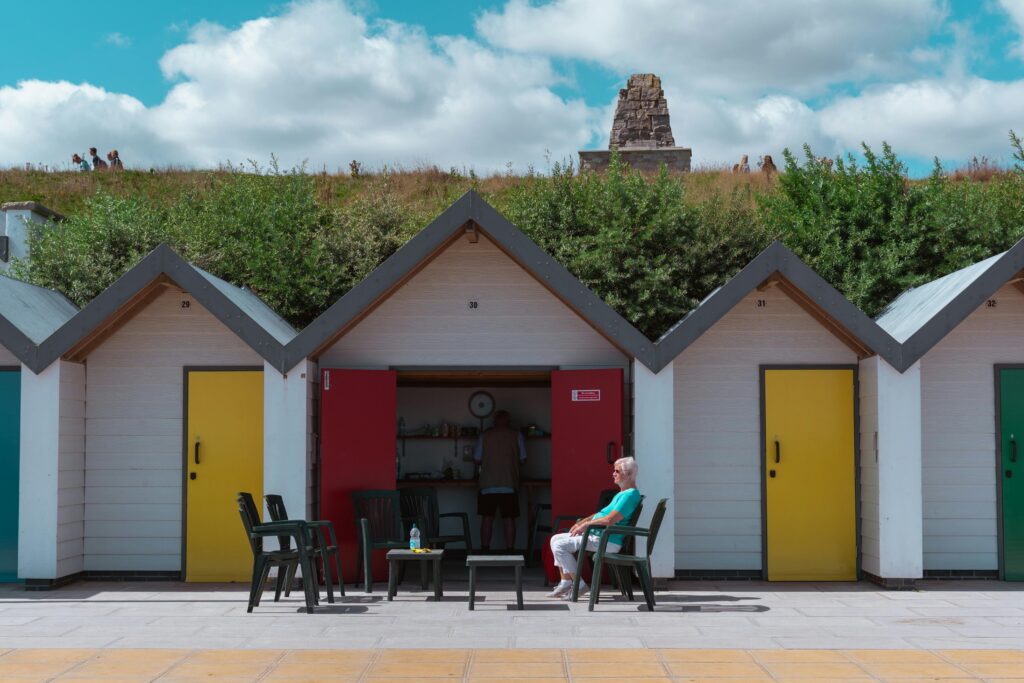
The Changing Economics of Staycations
Staycations gained popularity because they seemed simpler and cheaper:
- No flights or currency exchange
- Familiar surroundings
- Easier planning
However, the economic landscape has changed.
Rising costs in the UK—including accommodation prices, dining, transportation, and taxes—are reshaping the equation. For many travelers, domestic holidays no longer feel like a financial shortcut.
In some cases, international trips to Europe can now rival—or even undercut—the cost of staying within the UK.
The Role of Taxes and Cost Pressures
One of the key factors influencing this shift is taxation.
Higher taxes affecting:
- Hospitality businesses
- Accommodation providers
- Tourism services
are often passed on to consumers through higher prices.
At the same time, households are dealing with:
- Increased energy bills
- Inflation in everyday goods
- Stagnant wage growth in some sectors
Together, these pressures reduce disposable income, forcing people to rethink leisure spending.
Why Staycations Feel Less Affordable
Several structural factors contribute to the rising cost of domestic travel in the UK:
1. Accommodation Pricing
Hotels, holiday rentals, and cottages have seen significant price increases, especially in popular destinations.
2. Seasonal Demand Peaks
High demand during school holidays and months drives up prices, making peak travel especially expensive.
3. Limited Supply in Popular
Desirable destinations often have limited capacity, leading to higher rates.
4. Operational Costs
Businesses face rising costs for energy, staffing, and supplies, which are reflected in pricing.
The Appeal of Overseas Travel
As domestic costs rise, international travel is becoming more attractive again.
Factors include:
- Competitive flight prices, especially with budget airlines
- Lower accommodation costs in European destinations
- Perceived better value for money
For example, a family might find that a package holiday abroad offers:
- Flights, accommodation, and meals included
- Predictable pricing
- A “holiday feel” that differs from staying within the UK
This comparison is reshaping traveler preferences.

Impact on the UK Tourism Industry
A decline in staycations could have significant consequences.
Local Economies at Risk
Many regions rely heavily on domestic tourism. Reduced visitor numbers can impact:
- Small businesses
- Seasonal
- Local supply chains
Hospitality Sector Pressure
Hotels, restaurants, and attractions may face lower occupancy and revenue.
Regional Inequality
Rural and coastal areas, which depend more on tourism, may be disproportionately affected.
Behavioral Shifts Among Travelers
Rather than abandoning travel altogether, many Britons are adapting their habits.
Emerging trends include:
- Shorter trips instead of extended holidays
- Traveling off-season to save money
- Choosing less destinations
- Increasing price comparison between domestic and international options
Flexibility is becoming a key strategy for cost-conscious travelers.
The Psychological Factor: Value Perception
Beyond actual cost, perception plays a major role.
Travelers ask:
- “Am I getting good value for money?”
- “Does this experience feel worth the price?”
If domestic travel feels expensive without offering a distinct experience, it becomes harder to justify.
In contrast, international travel often carries a sense of novelty and escapism that enhances perceived value.
Can Staycations Recover?
The future of staycations in the UK is not necessarily bleak—but it may require adjustment.
Potential strategies include:
- Competitive pricing and promotions
- Enhancing the quality of experiences
- Diversifying offerings beyond traditional hotspots
- Government support for the tourism sector
Innovation and value-driven offerings could help restore confidence.
A Broader Reflection of Global Trends
The UK’s situation reflects a wider global pattern:
- Rising costs are reshaping travel behavior
- Domestic tourism faces competition from international options
- Value and affordability are becoming central decision factors
As economies evolve, so too do travel habits.
Frequently Asked Questions (FAQs)
1. What is a staycation?
A holiday spent within one’s own country rather than traveling abroad.
2. Why are Britons cutting back on staycations?
Due to rising costs, taxes, and better value offered by some international trips.
3. Are staycations more expensive than foreign holidays?
In some cases, yes—especially during peak seasons in popular UK destinations.
4. How does this affect local businesses?
Reduced domestic tourism can lower revenue for hotels, restaurants, and attractions.
5. Are people traveling less overall?
Not necessarily—they are adjusting how and where they travel.
6. What alternatives are travelers choosing?
Shorter trips, off-season travel, or international destinations offering better value.
7. Can the UK tourism industry adapt?
Yes, through pricing strategies, improved experiences, and targeted promotions.
8. Is this trend likely to continue?
It depends on economic conditions, pricing, and how competitive domestic tourism becomes.
The staycation boom may be cooling, but it’s not disappearing. Instead, it’s evolving—shaped by economic realities and shifting expectations. For the UK tourism industry, the challenge is clear: in a world of increasing choice, staying local must feel not just convenient, but truly worth it.

Sources Bloomberg

