
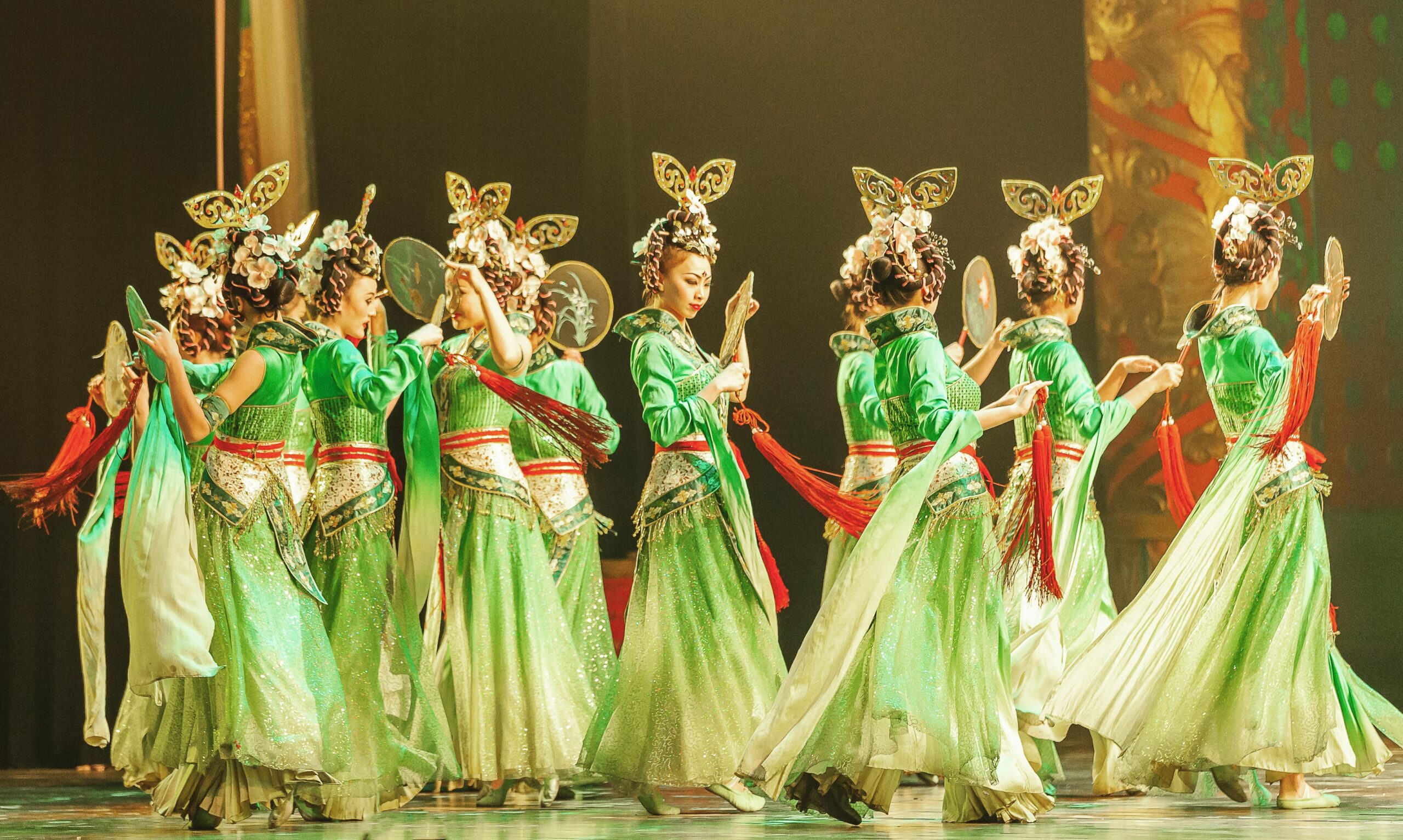
In a world where language often serves as the primary bridge between cultures, dance offers something even more universal: a form of expression that transcends words. Chinese choreographer and cultural interpreter Li Kehua is at the forefront of this movement, using dance as a medium to translate China’s rich heritage into a global artistic language.
While the referenced CGTN article introduces Li Kehua’s work and philosophy, the broader context reveals a powerful intersection of cultural preservation, artistic innovation, storytelling, and global exchange. Dance, in this sense, becomes not just performance—but a living translation of history, identity, and emotion.
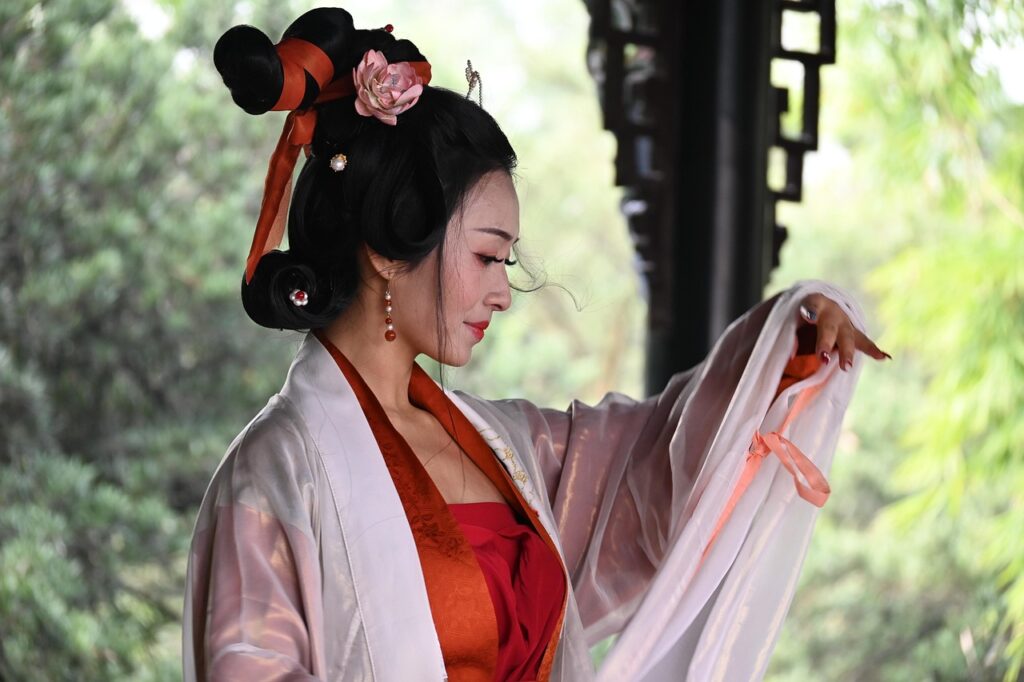
Dance as a Form of Cultural Translation
1. Beyond Words: Movement as Language
Dance communicates through:
- Gesture and body language
- Rhythm and timing
- Spatial expression
Unlike spoken language, it can:
- Cross linguistic barriers
- Evoke emotional understanding
- Connect audiences from different backgrounds
2. Translating Heritage, Not Just Movement
For artists like Li Kehua, the goal is not simply to recreate traditional dance forms but to:
- Interpret historical and cultural themes
- Convey philosophical ideas
- Make heritage accessible to modern audiences
This process is similar to literary translation—but with movement instead of words.
Li Kehua’s Artistic Vision
1. Bridging Tradition and Modernity
Li Kehua’s work reflects a balance between:
- Traditional Chinese dance techniques
- Contemporary choreography
This fusion allows:
- Preservation of cultural identity
- Innovation in artistic expression
2. Storytelling Through Dance
Chinese heritage is rich with:
- Myths and legends
- Historical narratives
- Philosophical concepts (e.g., harmony, balance, nature)
Li’s choreography transforms these elements into:
- Visual storytelling
- Emotional journeys
- Symbolic performances
3. Global Accessibility
One of Li’s key goals is to make Chinese culture understandable to international audiences by:
- Simplifying complex symbolism
- Emphasizing universal emotions
- Adapting presentation styles
The Role of Tradition in Modern Performance
1. Classical Chinese Dance Foundations
Traditional Chinese dance incorporates:
- Fluid, circular movements
- Expressive hand gestures
- Connection to music and poetry
These elements are deeply rooted in:
- Confucian philosophy
- Taoist principles
- Aesthetic traditions
2. Preserving Authenticity
A major challenge is maintaining authenticity while:
- Adapting to modern stages
- Engaging global audiences
This requires:
- Deep cultural knowledge
- Careful artistic choices
Challenges in Translating Culture Through Dance
1. Cultural Nuance
Some aspects of Chinese culture:
- Carry symbolic meanings unfamiliar to outsiders
- Require contextual understanding
Translating these into movement involves:
- Simplification without distortion
- Creative reinterpretation
2. Audience Interpretation
Different audiences may:
- Interpret the same performance differently
- Miss subtle references
This makes clarity and emotional resonance essential.
3. Balancing Art and Education
Performances must:
- Entertain
- Educate
- Inspire
Achieving all three simultaneously is a complex task.
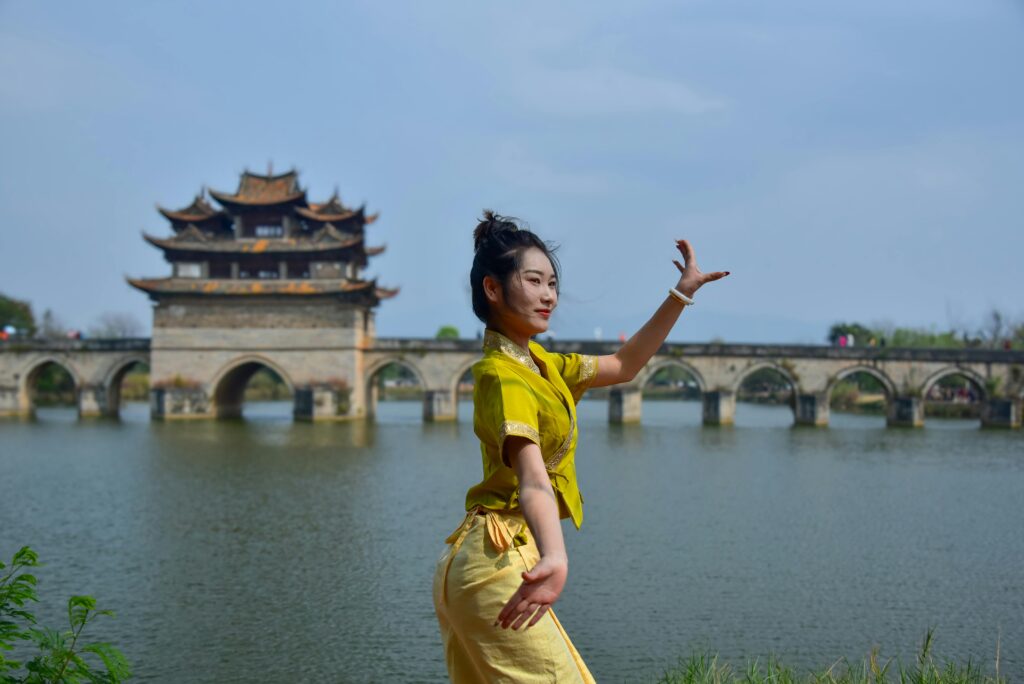
The Global Rise of Cultural Performance
1. Cultural Diplomacy Through Art
Dance and performance play a role in:
- Promoting national identity
- Building international understanding
- Strengthening cultural exchange
2. Increasing Demand for Authentic Experiences
Global audiences are seeking:
- Meaningful cultural engagement
- Authentic storytelling
- Unique artistic perspectives
3. Cross-Cultural Collaborations
Artists are increasingly:
- Collaborating internationally
- Blending styles and traditions
- Creating hybrid art forms
Technology and Modern Dance Interpretation
1. Digital Enhancements
Modern performances often include:
- Visual projections
- Interactive stage design
- Lighting and multimedia effects
2. Expanding Reach
Digital platforms allow:
- Global streaming of performances
- Wider audience access
- Cultural dissemination beyond physical theaters
Educational Impact
1. Teaching Through Performance
Dance can serve as an educational tool by:
- Introducing cultural history
- Encouraging curiosity
- Making learning engaging
2. Inspiring Future Artists
Artists like Li Kehua influence:
- Young dancers
- Cultural scholars
- Creative industries
The Future of Cultural Translation Through Dance
1. Continued Innovation
Future developments may include:
- More experimental choreography
- Integration with technology
- New storytelling techniques
2. Preservation of Heritage
Dance will remain a vital tool for:
- Keeping traditions alive
- Passing knowledge to future generations
3. Global Cultural Exchange
As globalization continues:
- Cultural boundaries will blur
- Artistic collaboration will grow
- Dance will play a key role in mutual understanding
Frequently Asked Questions (FAQs)
1. What does it mean to “translate” culture through dance?
It means expressing cultural stories, values, and traditions through movement instead of words.
2. Who is Li Kehua?
Li Kehua is a choreographer who focuses on using dance to interpret and share Chinese cultural heritage.
3. Why is dance effective for cultural communication?
Because it transcends language barriers and connects through emotion and visual storytelling.
4. What challenges do artists face in cultural translation?
They must balance authenticity, accessibility, and audience understanding.
5. Can international audiences fully understand cultural dance?
They may not grasp every detail, but they can connect with the emotions and themes.
6. How is technology influencing dance?
Technology enhances performances through visuals, digital platforms, and global accessibility.
7. Why is preserving cultural heritage important?
It maintains identity, history, and diversity in an increasingly globalized world.
Conclusion
Li Kehua’s work highlights the transformative power of dance as a medium of cultural translation. By blending tradition with innovation, and local heritage with global accessibility, dance becomes a bridge—connecting past and present, East and West, tradition and modernity.
In an age where communication often relies on words, this form of expression reminds us that some of the most profound stories are told not through language, but through movement.
Sources CGTN

