
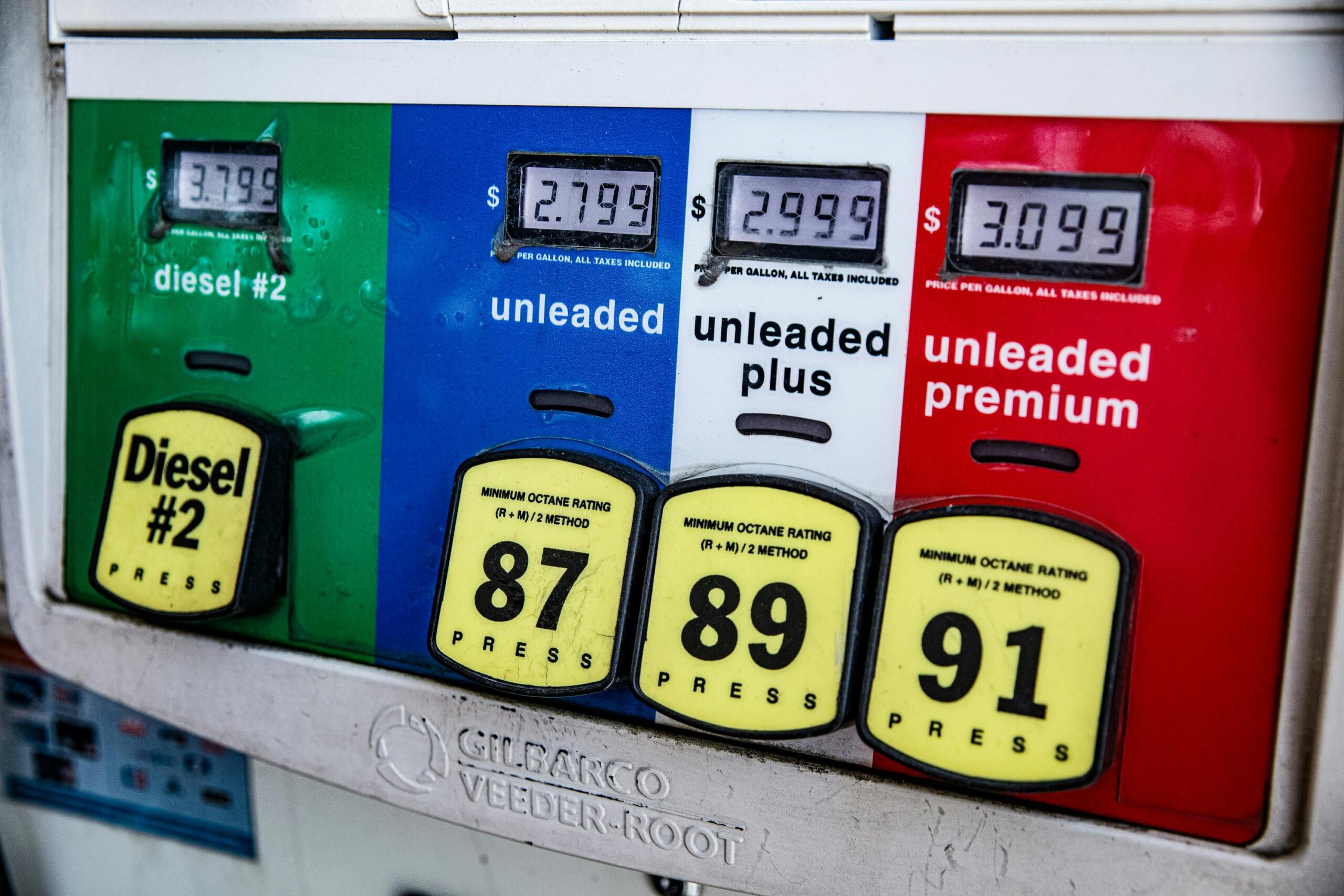
For many travelers, spontaneous day trips—coastal drives, countryside escapes, or short-distance sightseeing—have long been a defining part of leisure travel. But rising petrol prices are beginning to reshape . Across multiple regions, tourists are feeling the pinch at the pump, and it’s quietly transforming how, when, and where people choose to travel.
What may seem like a small increase is having a ripple effect across the tourism economy, influencing behavior, business models, and even destination strategies.
The Rising Cost of Movement
Fuel prices have climbed significantly in recent years due to a mix of global and local factors:
- Fluctuating oil markets
- Geopolitical tensions affecting supply
- Inflation and currency pressures
- Increased transportation costs across industries
For travelers—especially those relying on personal vehicles—this translates into higher overall trip expenses.
A simple day trip that once felt affordable can now require careful budgeting.
The Immediate Impact: Fewer Day Trips
One of the most noticeable changes is a decline in short, spontaneous outings.
Tourists are:
- Reducing the number of day trips they take
- Choosing destinations closer to their accommodation
- Planning routes more carefully to minimize fuel use
- Combining multiple stops into a single
This shift reflects a broader move toward cost-conscious travel.
How Travelers Are Adapting
Rather than stopping travel altogether, people are adjusting their habits.
1. Staying Local
Many travelers are opting to explore areas within walking distance or short transport rides.
This leads to:
- Increased focus on local attractions
- More time spent in a single destination
- Greater appreciation for nearby experiences
2. Prioritizing Value
Travelers are becoming more selective:
- Fewer but more meaningful outings
- Choosing destinations with multiple attractions in one location
- Avoiding low-value or repetitive trips
3. Switching Transportation Modes
Some are turning to alternatives:
- Public transport (buses, trains)
- Cycling or walking
- Carpooling or shared options
This not only reduces costs but can also align with environmental goals.
Impact on Tourism Businesses
The reduction in day trips is being felt across the tourism sector.
Attractions and Destinations
Sites that rely on drive-in visitors may see fewer guests.
Fuel-Dependent Tourism Services
Guided tours, rental car companies, and services face reduced demand.
Local Economies
Small towns and ग्रामीण attractions that depend on day-trippers may experience lower revenue.
Businesses are being forced to adapt by:
- Offering bundled experiences
- Creating incentives for longer stays
- Promoting accessibility via public transport

A Shift Toward “Slow Travel”
Rising fuel costs are accelerating a trend already gaining momentum: slow travel.
This approach emphasizes:
- Spending more time in fewer places
- Immersing in local culture
- Reducing frequent movement
While initially driven by cost, it can lead to:
- Deeper travel experiences
- Lower environmental impact
- Stronger connections with destinations
Environmental Implications
Interestingly, reduced day trips may have unintended environmental benefits.
Lower fuel consumption can:
- Reduce carbon emissions
- Decrease traffic congestion
- Lessen strain on areas
However, these benefits must be balanced with the economic impact on tourism-dependent communities.
The Psychology of Travel Spending
Fuel prices also influence how travelers feel about spending.
Even small increases can:
- Make trips feel less affordable
- Create hesitation around spontaneous travel
- Encourage more planning and comparison
This psychological effect can be as powerful as the actual cost increase.
Regional Differences
The impact of rising petrol costs is not uniform.
It tends to be stronger in:
- Rural areas where driving is essential
- Regions with limited public transport
- Destinations dependent on domestic tourists
Urban areas with robust transport networks may be less affected.
Long-Term Implications for Tourism
If fuel prices remain high, the tourism industry may see lasting changes:
- Greater emphasis on tourism
- Increased investment in public transport infrastructure
- Development of walkable, compact destinations
- More sustainable travel models
Destinations that adapt quickly may gain a competitive advantage.
What Travelers Can Do
For those still eager to explore, there are ways to manage costs:
- Plan routes efficiently
- Travel during off-peak times
- Use fuel-efficient or shared transport
- Combine multiple activities in one trip
- Look for nearby alternatives to destinations
Small adjustments can make travel more affordable without sacrificing enjoyment.
Frequently Asked Questions (FAQs)
1. Why are tourists cutting down on day trips?
Because rising petrol prices are increasing the cost of short-distance travel.
2. Are people traveling less overall?
Not necessarily—they are changing how they travel, focusing on fewer or closer trips.
3. Which destinations are most affected?
Rural and drive-dependent that rely on day-trippers.
4. Are there alternatives to driving?
Yes, including public transport, cycling, walking, and carpooling.
5. How are businesses responding?
By offering packages, promoting longer stays, and improving accessibility.
6. Does this trend help the environment?
It can reduce emissions and congestion, though economic impacts must be considered.
7. Will this trend continue?
It depends on fuel prices and broader economic conditions.
8. How can travelers save money on trips?
By planning efficiently, choosing nearby destinations, and using cost-effective transport.
Rising fuel costs are doing more than stretching travel budgets—they are reshaping the very rhythm of tourism. Day trips, once a symbol of freedom and spontaneity, are becoming more deliberate and selective.
In the process, travel itself may become slower, more thoughtful, and perhaps even more meaningful.

Sources BBC

