
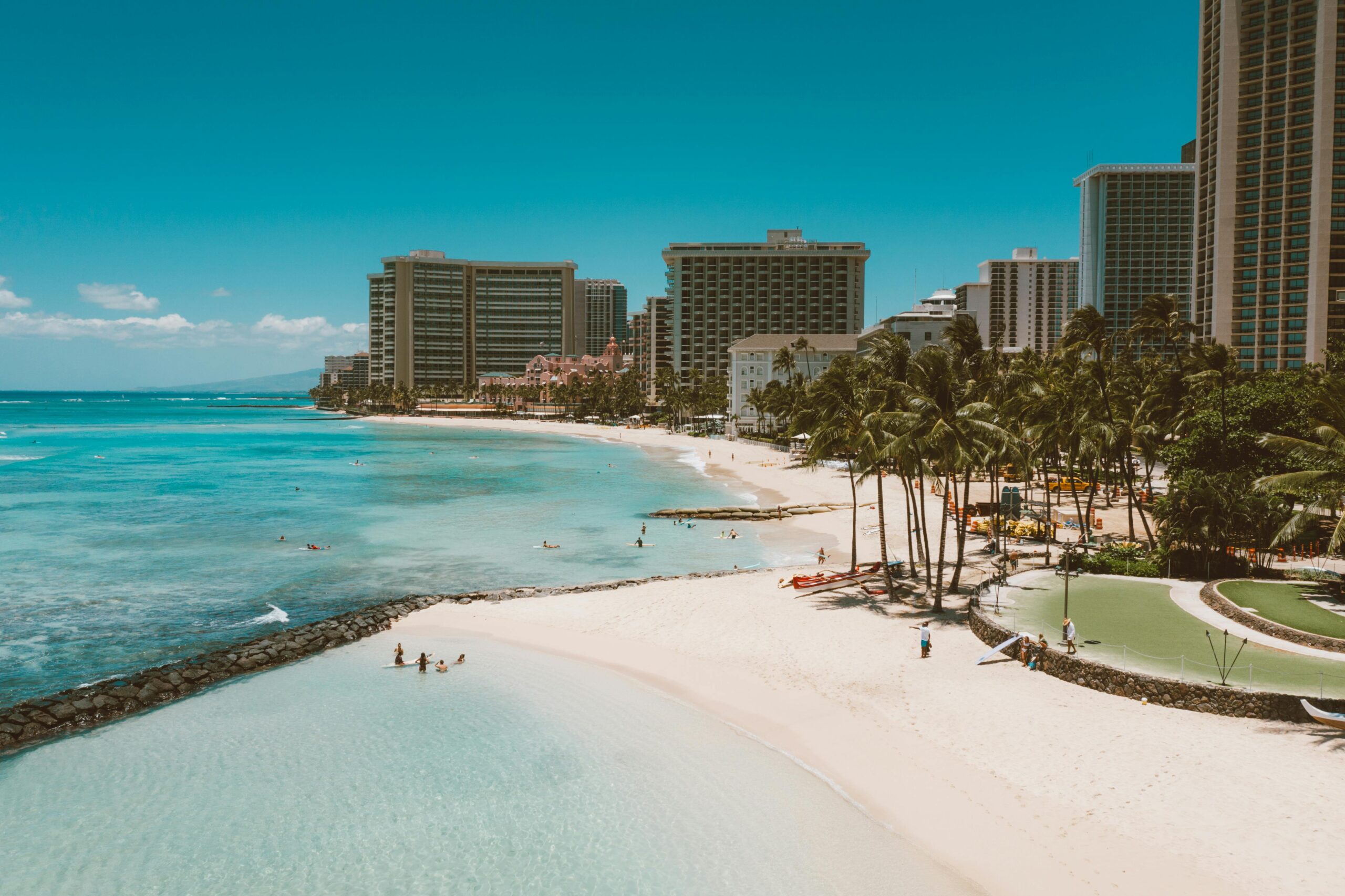
Hawaii’s tourism industry is mounting a major recovery effort after severe storms reportedly triggered an estimated $300 million economic loss across the islands. In response, tourism officials have launched a $2 million marketing campaign designed to restore traveler confidence, boost bookings, and stabilize one of Hawaii’s most important economic sectors.
The initiative reflects the enormous role tourism plays in Hawaii’s economy—and the growing vulnerability of travel-dependent destinations to extreme weather events, climate change, and shifting global travel trends.
As Hawaii works to recover, the situation highlights broader questions facing the global tourism industry: how can destinations balance economic resilience, environmental sustainability, and disaster preparedness in an era of increasing climate-related disruptions?
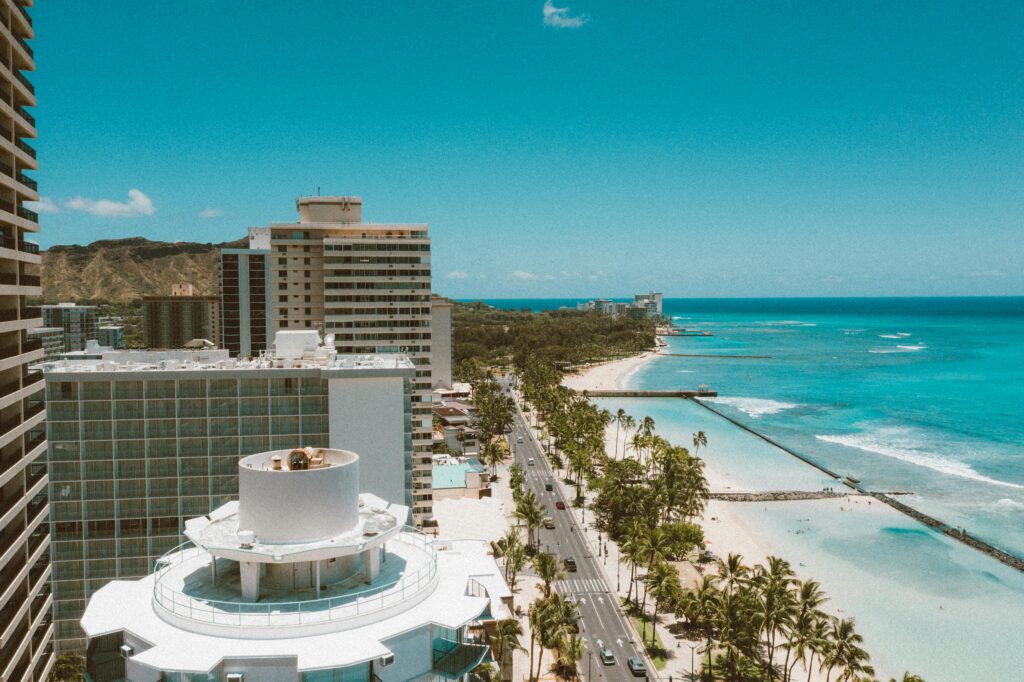
Why Tourism Is So Important to Hawaii
Tourism is the backbone of Hawaii’s economy.
The industry supports:
- Hotels and resorts
- Restaurants
- Airlines
- Tour companies
- Retail businesses
- Transportation services
- Local agriculture
- Cultural attractions
Millions of visitors travel annually to Hawaii for:
- Beaches
- Surfing
- Volcanoes
- Hiking
- Cultural experiences
- Luxury resorts
Tourism generates billions of dollars in revenue and supports a significant portion of the state’s workforce.
Because of this heavy dependence, disruptions to travel can have immediate and widespread economic consequences.
How the Storms Impacted Hawaii’s Tourism Industry
Severe weather events reportedly caused:
- Flight cancellations
- Hotel booking declines
- Infrastructure disruptions
- Reduced visitor spending
- Temporary business closures
Travel advisories and media coverage of storm damage may also have discouraged tourists from booking vacations, even in areas unaffected by severe conditions.
This phenomenon—where perceptions of danger reduce tourism demand—is common after natural disasters.
Why Hawaii Is Investing in a Major Marketing Campaign
The $2 million tourism campaign aims to:
- Reassure travelers that Hawaii remains open for tourism
- Encourage future bookings
- Support local businesses
- Recover lost visitor revenue
- Stabilize employment in tourism sectors
Marketing recovery campaigns are increasingly common after:
- Hurricanes
- Wildfires
- Floods
- Earthquakes
- Public health crises
Tourism boards often move quickly because traveler confidence can strongly influence recovery speed.
Climate Change Is Reshaping Tourism Recovery Strategies
The Hawaii situation also reflects a growing reality: climate-related disasters are becoming major economic threats for tourism destinations worldwide.
Climate change is increasing risks such as:
- Severe storms
- Coastal erosion
- Flooding
- Wildfires
- Coral reef damage
- Extreme heat
Island destinations are particularly vulnerable because:
- Infrastructure is concentrated near coastlines
- Economies often depend heavily on tourism
- Transportation access can be disrupted easily
As a result, tourism marketing is increasingly tied to climate resilience planning.
The Economic Ripple Effect of Tourism Declines
When tourism slows in Hawaii, the impact spreads across multiple industries.
Losses affect:
- Small businesses
- Food suppliers
- Transportation companies
- Entertainment providers
- Local artisans
- Hospitality workers
Reduced visitor spending can also lower:
- Tax revenues
- Public service funding
- Infrastructure investment
For many island communities, tourism revenue directly supports local livelihoods.
The Role of Tourism Marketing in Crisis Recovery
Modern tourism recovery campaigns often focus on:
- Positive storytelling
- Safety reassurance
- Real-time updates
- Emotional connection
- Influencer partnerships
- Digital advertising
Tourism boards increasingly use:
- Social media campaigns
- Video storytelling
- Destination branding
- AI-targeted advertising
- Travel partnerships
The goal is not only to attract visitors but also to rebuild confidence and emotional appeal.

The Debate Around Tourism Promotion After Disasters
Tourism recovery campaigns can also generate controversy.
Some critics argue that:
- Aggressive marketing may overlook local suffering
- Resources should prioritize residents first
- Rapid tourism recovery can strain damaged infrastructure
Others argue tourism recovery is essential because:
- Local jobs depend on visitors
- Economic collapse could worsen hardships
- Tourism revenue supports rebuilding efforts
Balancing community recovery with tourism promotion is often politically and socially complex.
Sustainable Tourism Is Becoming More Important
Hawaii has increasingly discussed sustainable tourism practices in recent years.
Concerns include:
- Overtourism
- Environmental strain
- Water usage
- Coral reef damage
- Traffic congestion
- Cultural preservation
Some local residents have expressed frustration with excessive tourism growth and its impact on daily life.
As recovery efforts continue, officials may face pressure to promote:
- Responsible tourism
- Lower-impact travel
- Community-based tourism
- Environmental conservation
Hawaii’s Tourism Industry Is Evolving
The state has been gradually shifting away from focusing solely on visitor volume toward attracting:
- Higher-spending travelers
- Longer stays
- Sustainable tourism markets
- Cultural tourism experiences
This strategy aims to reduce environmental pressure while increasing economic value per visitor.
Luxury tourism, wellness travel, and eco-tourism are becoming increasingly important segments.
Digital Technology and Tourism Recovery
Technology now plays a central role in tourism recovery campaigns.
Destinations increasingly rely on:
- Real-time travel data
- AI-driven marketing analytics
- Online reputation monitoring
- Mobile tourism apps
- Personalized advertising
Social media perception can significantly influence whether travelers view destinations as safe and appealing after disasters.
Insurance and Infrastructure Challenges
Natural disasters also expose vulnerabilities in:
- Hotel insurance systems
- Transportation infrastructure
- Emergency preparedness
- Coastal development planning
As climate risks grow, tourism businesses may face:
- Higher insurance costs
- Stricter building regulations
- Increased operating expenses
These financial pressures could reshape future tourism investment patterns.
The Importance of Local Communities
Tourism recovery efforts are increasingly emphasizing community involvement.
Experts argue successful recovery requires:
- Local business support
- Cultural preservation
- Resident engagement
- Environmental stewardship
Without local support, tourism growth may become socially unsustainable.
Could Hawaii Become a Model for Climate Tourism Recovery?
Some analysts believe Hawaii’s response may become a case study for future tourism recovery strategies worldwide.
Destinations facing:
- Hurricanes
- Wildfires
- Flooding
- Climate-related disruptions
are all searching for ways to recover quickly while building long-term resilience.
Hawaii’s experience may influence how tourism industries globally prepare for increasingly unpredictable environmental conditions.
Frequently Asked Questions (FAQs)
1. Why did Hawaii launch a tourism marketing campaign?
The campaign aims to recover visitor spending and rebuild traveler confidence after severe storms caused major economic losses.
2. How much economic damage did the storms cause?
Reports estimated tourism-related economic losses of around $300 million.
3. Why is tourism so important to Hawaii?
Tourism is one of Hawaii’s largest industries and supports thousands of businesses, workers, and local communities.
4. How do storms affect tourism economies?
Natural disasters can reduce travel demand, disrupt infrastructure, cancel flights, and discourage bookings through negative media coverage.
5. What role does climate change play in tourism risks?
Climate change is increasing the frequency and intensity of storms, flooding, wildfires, and coastal damage affecting tourism destinations.
6. What is sustainable tourism?
Sustainable tourism focuses on minimizing environmental damage while supporting local communities and preserving cultural resources.
7. Why do some residents criticize tourism recovery campaigns?
Some residents worry that tourism promotion may prioritize visitors over local recovery needs or worsen overtourism pressures.
8. How are tourism boards using technology in recovery efforts?
Tourism agencies increasingly rely on digital advertising, social media campaigns, AI-driven analytics, and real-time travel data to attract visitors.
Final Thoughts
Hawaii’s $2 million tourism marketing blitz reflects both the power and vulnerability of modern tourism economies.
As climate-related disasters become more frequent, destinations worldwide are learning that tourism recovery is no longer just about attracting visitors—it is about resilience, sustainability, and balancing economic survival with environmental and community well-being.
For Hawaii, the challenge moving forward will not simply be rebuilding visitor numbers, but creating a tourism model capable of withstanding the environmental realities of the future while protecting the natural beauty and cultural identity that make the islands globally admired.
Sources Pacific Business News

