
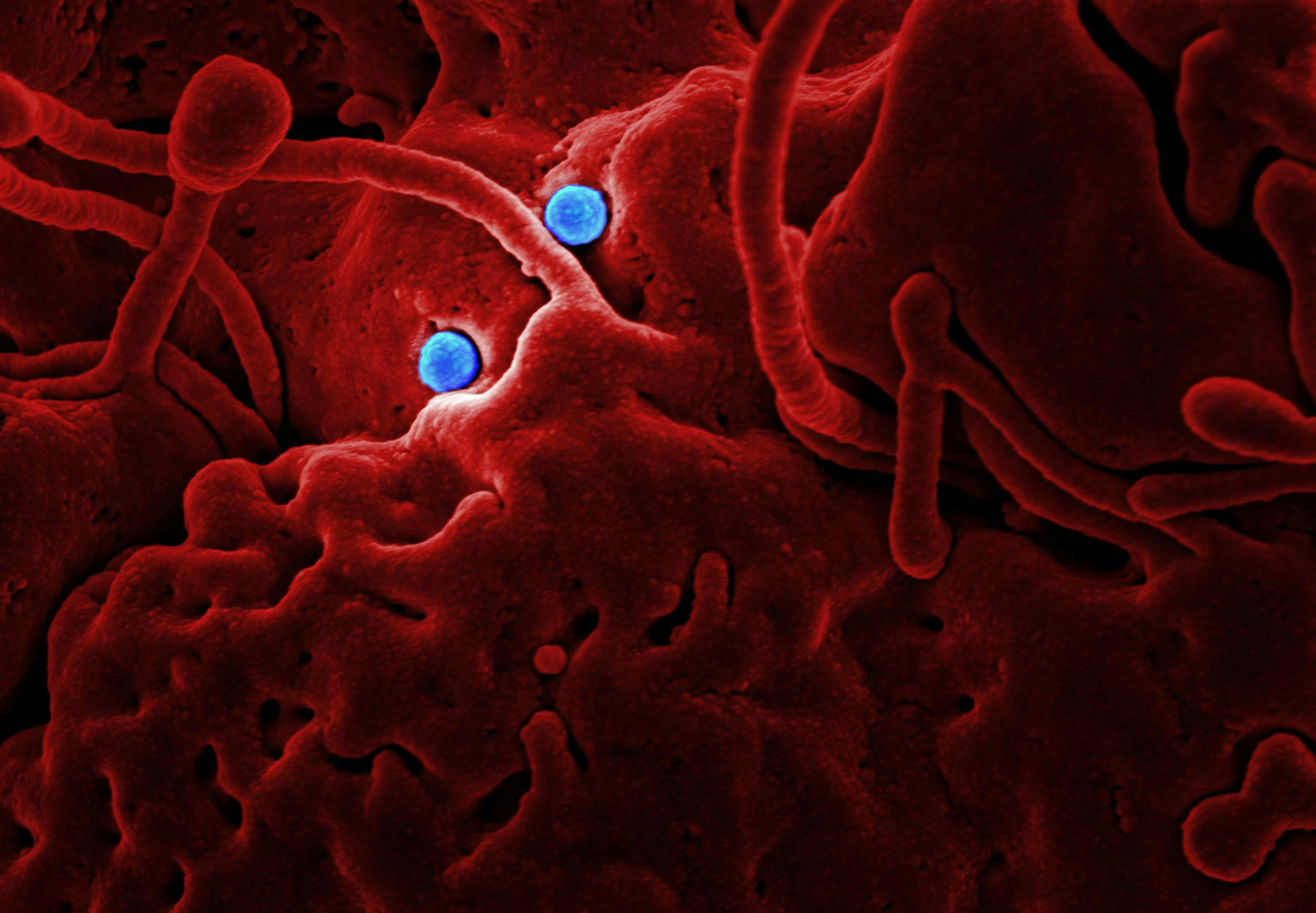
As Antarctic tourism reaches record levels, growing concerns over hantavirus exposure aboard cruise ships are intensifying debates about biosecurity, public health, and the environmental consequences of expanding human activity in one of Earth’s most fragile ecosystems.
The issue has become part of a larger conversation surrounding Antarctica’s rapidly growing tourism industry, where scientists, conservationists, and health experts are warning that increasing maritime traffic may expose both humans and wildlife to new biological threats.
What was once considered an isolated wilderness reserved mainly for researchers and explorers is now becoming a major destination for luxury tourism, adventure travel, and polar expeditions. But as more ships travel to the region, experts fear that Antarctica’s natural isolation—the very factor that protected its ecosystems for millions of years—is beginning to weaken.

Why Antarctica’s Tourism Industry Is Growing Rapidly
Tourism to Antarctica has expanded dramatically over the past two decades.
Travelers are increasingly drawn by:
- Iceberg landscapes
- Penguin colonies
- Adventure tourism
- Luxury expedition cruises
- Climate-focused travel experiences
- Scientific exploration opportunities
Modern expedition vessels now offer:
- Helicopter tours
- Kayaking excursions
- Polar camping
- Submarine dives
- High-end accommodations
Some Antarctic voyages cost travelers tens of thousands of dollars per trip.
Improved ship technology and rising demand for “bucket-list” experiences have made the region more accessible than ever before.
Why Hantavirus Is Raising Alarm
Hantavirus is a potentially serious disease carried primarily by rodents.
Humans can become infected through exposure to:
- Rodent urine
- Droppings
- Saliva
- Contaminated dust particles
The virus can cause severe respiratory illness, including:
- Fever
- Fatigue
- Muscle pain
- Difficulty breathing
- Lung complications
In severe cases, hantavirus infections can become life-threatening.
Although Antarctica itself has very limited native rodent populations, experts worry that increasing ship traffic may create pathways for accidental contamination.
Cruise Ships as Potential Biosecurity Risks
Cruise ships are complex environments that transport:
- Food supplies
- Waste materials
- Cargo
- Luggage
- Equipment
- Large numbers of passengers and crew
These factors increase the possibility of introducing:
- Rodents
- Insects
- Microorganisms
- Viruses
- Invasive species
Even a single contaminated shipment or stowaway rodent could create major ecological consequences in sensitive Antarctic regions.
Scientists stress that biosecurity risks are not limited to hantavirus alone.
Antarctica’s Unique Ecological Vulnerability
Antarctica evolved in extreme isolation over millions of years.
As a result:
- Native wildlife has limited disease resistance
- Ecosystems recover slowly from disturbances
- Biodiversity is highly specialized
Unlike ecosystems elsewhere, Antarctica lacks many natural biological defenses against invasive organisms.
This means even small contamination events can potentially have outsized impacts.
For example:
- Foreign microbes may disrupt local ecosystems
- Wildlife diseases could spread rapidly
- Invasive species may alter food chains
Researchers fear increasing human activity could permanently change the continent’s ecological balance.
Bird Flu and Other Emerging Disease Threats
The hantavirus concern comes amid broader fears about infectious disease risks in polar regions.
Scientists are especially concerned about:
- Avian influenza (bird flu)
- Marine pathogens
- Human-transmitted respiratory viruses
- Fungal contamination
Penguins, seals, and seabirds may be particularly vulnerable because many Antarctic species evolved without exposure to outside diseases.
A major outbreak among wildlife populations could devastate breeding colonies already under stress from:
- Climate change
- Melting sea ice
- Food shortages
- Habitat disruption
Climate Change Is Making Antarctica More Accessible
Climate change is increasing the risks associated with tourism expansion.
Melting Ice Opens New Routes
Shrinking sea ice allows:
- More cruise ships
- Longer tourism seasons
- Access to previously isolated areas

Warmer Temperatures May Help Pathogens Survive
Historically, Antarctica’s extreme cold limited the survival of many invasive organisms.
Rising temperatures may increase the ability of:
- Microbes
- Insects
- Plants
- Rodents
to survive in Antarctic environments.
This creates new biosecurity challenges.
The Economic Power of Antarctic Tourism
Despite environmental concerns, Antarctic tourism generates major economic benefits.
The industry supports:
- Cruise operators
- Travel agencies
- Port cities
- Hospitality industries
- Expedition logistics providers
Gateway cities such as:
- Ushuaia
- Punta Arenas
have become key economic hubs for polar tourism.
For some regions, Antarctic tourism contributes millions of dollars annually.
Are Current Regulations Strong Enough?
Antarctica is governed through the Antarctic Treaty System, which promotes peaceful scientific cooperation and environmental protection.
Tourism operators also follow guidelines from organizations such as:
- The International Association of Antarctica Tour Operators (IAATO)
Current measures include:
- Visitor limits at landing sites
- Mandatory equipment cleaning
- Wildlife distancing rules
- Waste disposal protocols
- Biosecurity inspections
However, critics argue these protections may not be sufficient as tourism continues expanding rapidly.
Scientists Want Stronger Controls
Many environmental experts are calling for:
- Stricter passenger limits
- Enhanced ship inspections
- Expanded protected zones
- Mandatory disease monitoring
- Stronger international enforcement
Some researchers believe parts of Antarctica should become permanently off-limits to tourism.
Others argue carefully regulated tourism can help raise awareness about climate change and conservation.
Ethical Questions Around Antarctic Travel
The growth of Antarctic tourism has also sparked ethical debates.
Critics ask:
- Should fragile ecosystems be marketed as luxury destinations?
- Does polar tourism contribute to environmental damage?
- Are travelers accelerating the degradation of the landscapes they admire?
Cruise ships themselves contribute to:
- Carbon emissions
- Marine pollution
- Fuel consumption
Supporters counter that tourism can:
- Promote environmental awareness
- Fund scientific research
- Inspire conservation advocacy
Technology Is Improving Biosecurity Monitoring
Researchers and tourism operators are increasingly using advanced technology to reduce contamination risks.
Emerging tools include:
- Drone monitoring
- Environmental DNA testing
- AI-assisted wildlife tracking
- Satellite surveillance
- Automated contamination screening
These technologies may help identify biosecurity threats earlier.
The Future of Antarctic Tourism
Most analysts expect Antarctic tourism to continue growing unless stricter international limits are introduced.
Possible future measures include:
- Visitor quotas
- Carbon taxes for polar travel
- Restrictions on large cruise ships
- Enhanced disease surveillance
- Expanded marine protected areas
Balancing tourism growth with ecological preservation may become one of the defining environmental governance challenges of the coming decades.
Frequently Asked Questions (FAQs)
1. Why is hantavirus connected to Antarctic tourism?
Experts fear increasing ship traffic and tourism could accidentally introduce rodents or contaminated materials carrying hantavirus into Antarctic regions.
2. What is hantavirus?
Hantavirus is a rodent-borne virus that can cause severe respiratory illness in humans.
3. Why is Antarctica vulnerable to contamination?
Antarctica’s ecosystems evolved in isolation and have limited natural resistance to foreign diseases or invasive species.
4. Can cruise ships introduce diseases to Antarctica?
Yes. Ships can unintentionally transport pathogens, microbes, insects, or invasive organisms through cargo, waste, equipment, and passengers.
5. What other diseases are scientists worried about?
Concerns include:
- Avian influenza
- Marine pathogens
- Human respiratory viruses
- Fungal contamination
6. How does climate change increase these risks?
Warmer temperatures and melting ice make Antarctica more accessible and may improve survival conditions for invasive species and pathogens.
7. Are there rules regulating Antarctic tourism?
Yes. Tourism is governed under the Antarctic Treaty System and industry guidelines established by IAATO.
8. Could Antarctic tourism permanently harm the environment?
Scientists warn that uncontrolled tourism growth could create long-term ecological damage if biosecurity protections are not strengthened.
Final Thoughts
The growing concern over hantavirus aboard Antarctic cruise routes highlights a larger global dilemma: how to balance exploration, tourism, and economic opportunity with environmental protection and public health.
Antarctica’s isolation once shielded it from many of the biological pressures affecting the rest of the world. Today, rising tourism, climate change, and expanding maritime activity are weakening those natural barriers.
As the continent becomes increasingly accessible, the challenge facing governments, scientists, and the tourism industry is clear: preserving Earth’s last great wilderness may require stricter safeguards than ever before.
Sources Reuters

