
Something strange is happening in California’s travel economy.
Two iconic cities — both globally famous, both culturally magnetic — are heading in opposite directions.
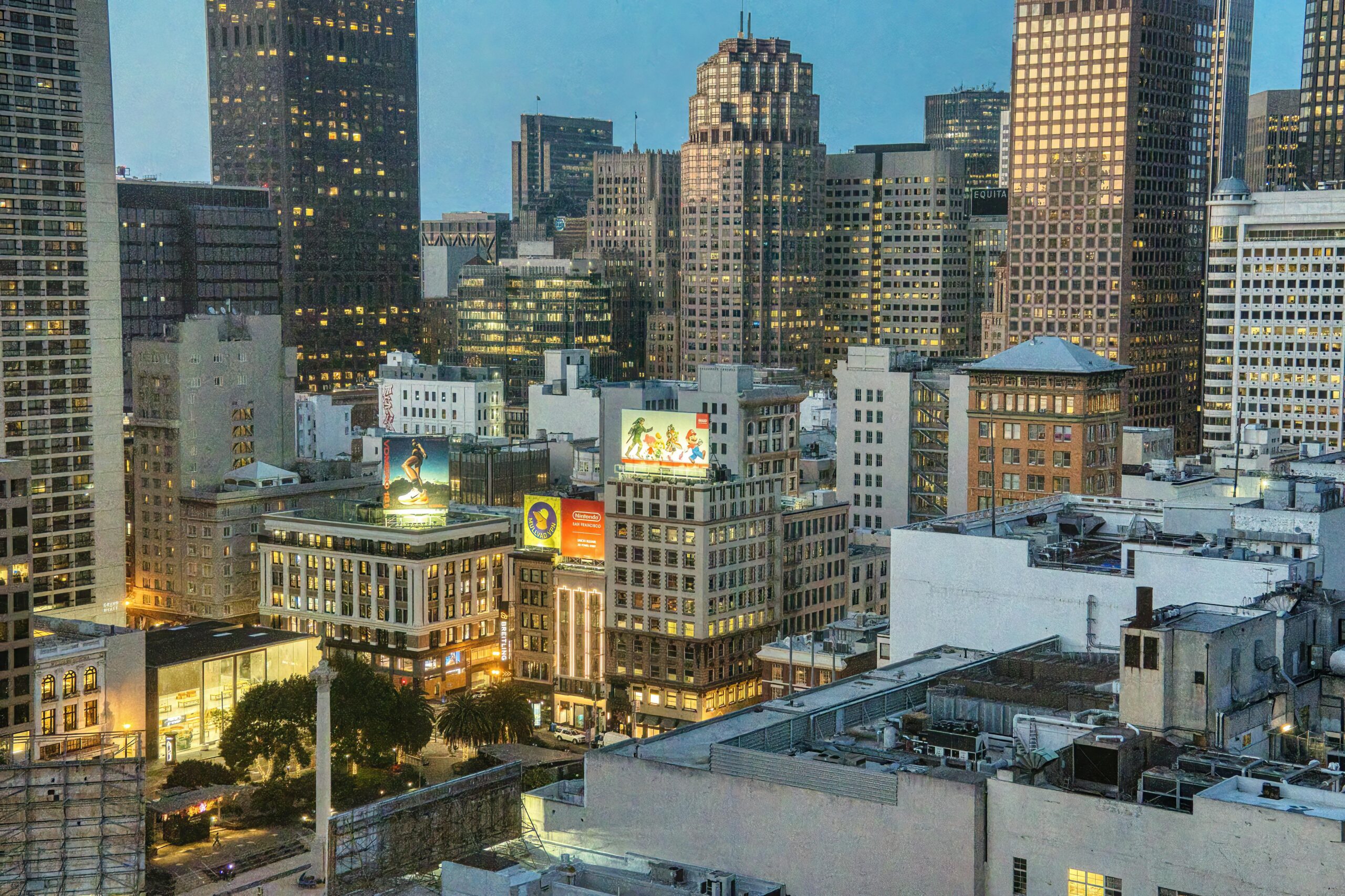
San Francisco is quietly staging a comeback.
Los Angeles, meanwhile, is still trying to regain its footing.
And the gap isn’t just about tourism numbers. It’s about perception, infrastructure, safety narratives, tech-driven recovery, and how cities tell their own story to the world.
Let’s break it down properly — no fluff, just the real mechanics behind the shift.
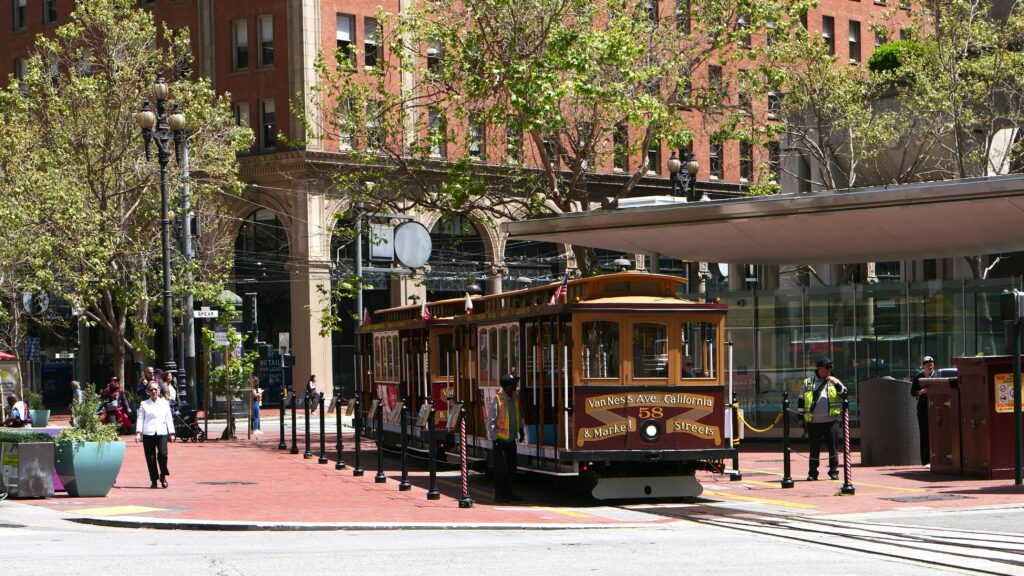
🌁 San Francisco’s comeback isn’t luck — it’s structural
San Francisco’s rebound is tied to a simple but powerful engine: economic reinvention through AI and tech.
After pandemic-era downturns, the city is now benefiting from:
- A renewed AI boom
- Return of business travel and conferences
- Downtown office stabilization (slow, but real)
- Rising international curiosity again
Experts note that San Francisco has even seen net population stabilization after years of decline, signaling confidence returning to the city core .
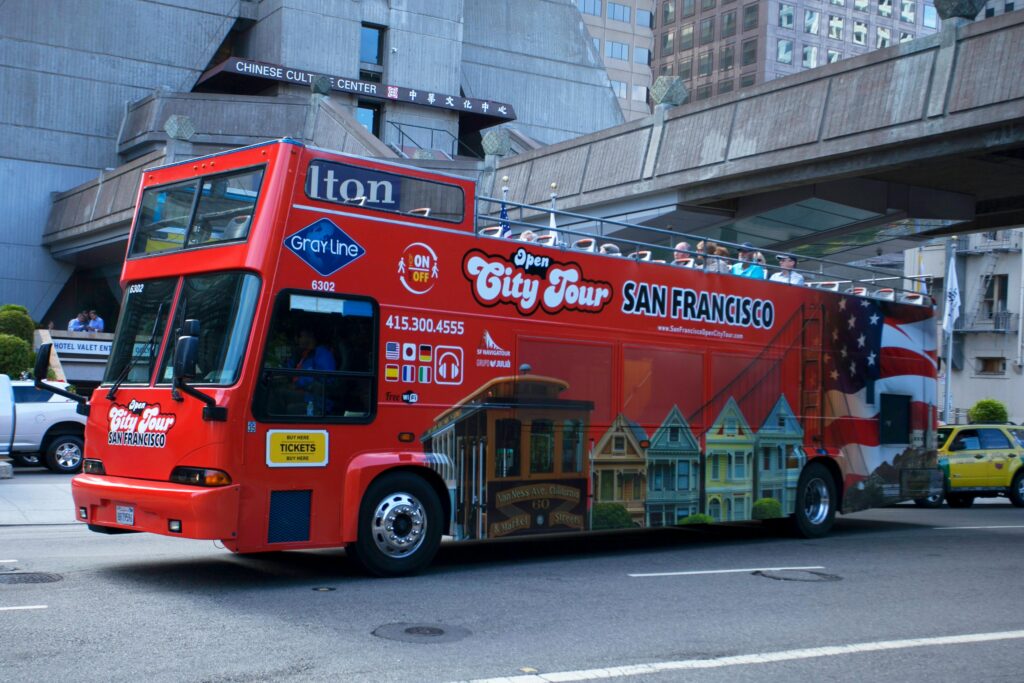
Tourism is part of that rebound too. Historically, San Francisco remains one of the most visited cities in the U.S., pulling in tens of millions of visitors annually and billions in tourism spending .
But here’s the deeper truth:
San Francisco didn’t just “recover.” It rebranded itself around the future again — AI, innovation, conferences, and high-value travel.
That matters.
🌴 Los Angeles: still powerful, but structurally fragmented
Los Angeles is not collapsing. Let’s be clear — that would be lazy analysis.
Instead, it’s facing distributed friction across its tourism system:
1. Image problem (the invisible tax)
LA has been battling narratives around:
- crime perception
- homelessness visibility
- post-pandemic downtown decline
- wildfire recovery impacts
Even when only small areas are affected, perception travels faster than reality.
2. Tourism spread too wide
Unlike San Francisco’s dense tourism core, LA is:
- decentralized
- car-dependent
- fragmented into micro-destinations (Hollywood, Santa Monica, DTLA, Venice, etc.)
That creates a scaling problem:
Visitors don’t experience “LA” — they experience pieces of it.
3. Downtown LA’s uneven recovery
Efforts like adaptive reuse and corridor revitalization are ongoing, but progress is inconsistent. Office vacancies and social challenges continue to shape visitor impressions .
LA has plans — but implementation is slow, bureaucratic, and geographically uneven.
🚇 Infrastructure is quietly reshaping both cities
Here’s where things get interesting — and a bit underrated.
Los Angeles is investing heavily in transit transformation
The new subway expansion is cutting travel times and improving connectivity, part of a long-term attempt to reduce car dependency .
This is not just transportation — it’s identity repair.
LA is trying to shift from:
“You must drive everywhere”
to
“You can actually move like a global city.”
That’s a generational project, not a seasonal fix.
🤖 San Francisco’s advantage: the AI gravity effect
San Francisco has something LA currently lacks:
A global economic magnet that pulls people in without tourism marketing.
AI companies, venture capital, and startups are:
- bringing high-income workers back
- increasing business travel
- filling hotels with conferences
- reviving downtown foot traffic
It’s not just tourism — it’s economic migration disguised as travel demand.
That’s why recovery feels faster there.
📉 Why LA is struggling relative to SF (not absolutely)
This is the key nuance most headlines miss:
LA isn’t necessarily losing visitors dramatically in isolation.
It’s losing relative momentum.
Compared to San Francisco:
- SF is accelerating in a new economic cycle (AI)
- LA is stabilizing after shocks (pandemic + infrastructure + perception drag)
So the contrast looks sharper than the reality.
🎬 Cultural demand still favors LA — but it’s changing shape
Los Angeles still dominates:
- entertainment tourism
- studio visits
- celebrity culture
- theme parks
But travel behavior is shifting:
Younger travelers now prioritize:
- walkability
- dense cultural zones
- “experience clusters”
- transit-accessible cities
San Francisco accidentally fits that model better.
LA is still adapting to it.
🌍 The global traveler factor
International tourism trends are also influencing the split.
Recent shifts show:
- some decline in U.S. travel interest from overseas markets
- rising competition from Asia and Europe
- sensitivity to cost, entry friction, and travel complexity
In that environment:
- San Francisco wins on compact, easy exploration
- Los Angeles loses points on distance, cost, and complexity
🧠 The real story: two different recovery philosophies
Think of it like this:
San Francisco = “rebuild the core, attract the future”
- AI economy
- downtown reinvestment
- business tourism rebound
Los Angeles = “fix the sprawl, rebuild perception, diversify access”
- infrastructure expansion
- neighborhood stabilization
- long-term event-driven tourism (World Cup, Olympics)
One is fast-cycle recovery.
The other is slow-system redesign.
🔮 What happens next?
If current trajectories hold:
San Francisco could:
- strengthen as a premium business + tech tourism hub
- become more dependent on high-income visitors
- face affordability pressure again
Los Angeles could:
- rebound strongly from mega-events (2026–2028 cycle)
- benefit from transit expansion
- re-consolidate tourism zones over time
But here’s the honest takeaway:
LA’s comeback is not missing. It’s just not Instagram-fast.
❓ FAQ: What people are really asking
1. Is San Francisco actually more popular than Los Angeles now?
Not overall. LA still gets more total visitors in many categories, but San Francisco is recovering faster in certain segments like business and international travel.
2. Why is San Francisco rebounding faster?
Because of the AI-driven tech boom, compact tourism geography, and strong convention/business travel demand.
3. Is Los Angeles tourism declining?
It’s more accurate to say LA has experienced recent softness and uneven recovery, not a collapse.
4. Will the 2026–2028 events help LA?
Yes — major global events like the World Cup and Olympics typically produce strong short-term tourism spikes and long-term infrastructure benefits.
5. Is public transport the key difference?
It’s one of them. SF is naturally walkable and transit-friendly. LA is still transitioning from car-first design.
6. Which city has better long-term tourism potential?
Both — but in different lanes:
- SF: business + tech + compact tourism
- LA: entertainment + events + global mega-attractions
🧭 Final thought
California isn’t watching one city win and another lose.
It’s watching two different futures being built at the same time:
One powered by algorithms and density.
The other powered by scale and reinvention.
And somewhere between those two systems, the real story of modern urban tourism is being rewritten — not loudly, but permanently.
Sources The Los Angeles Times

